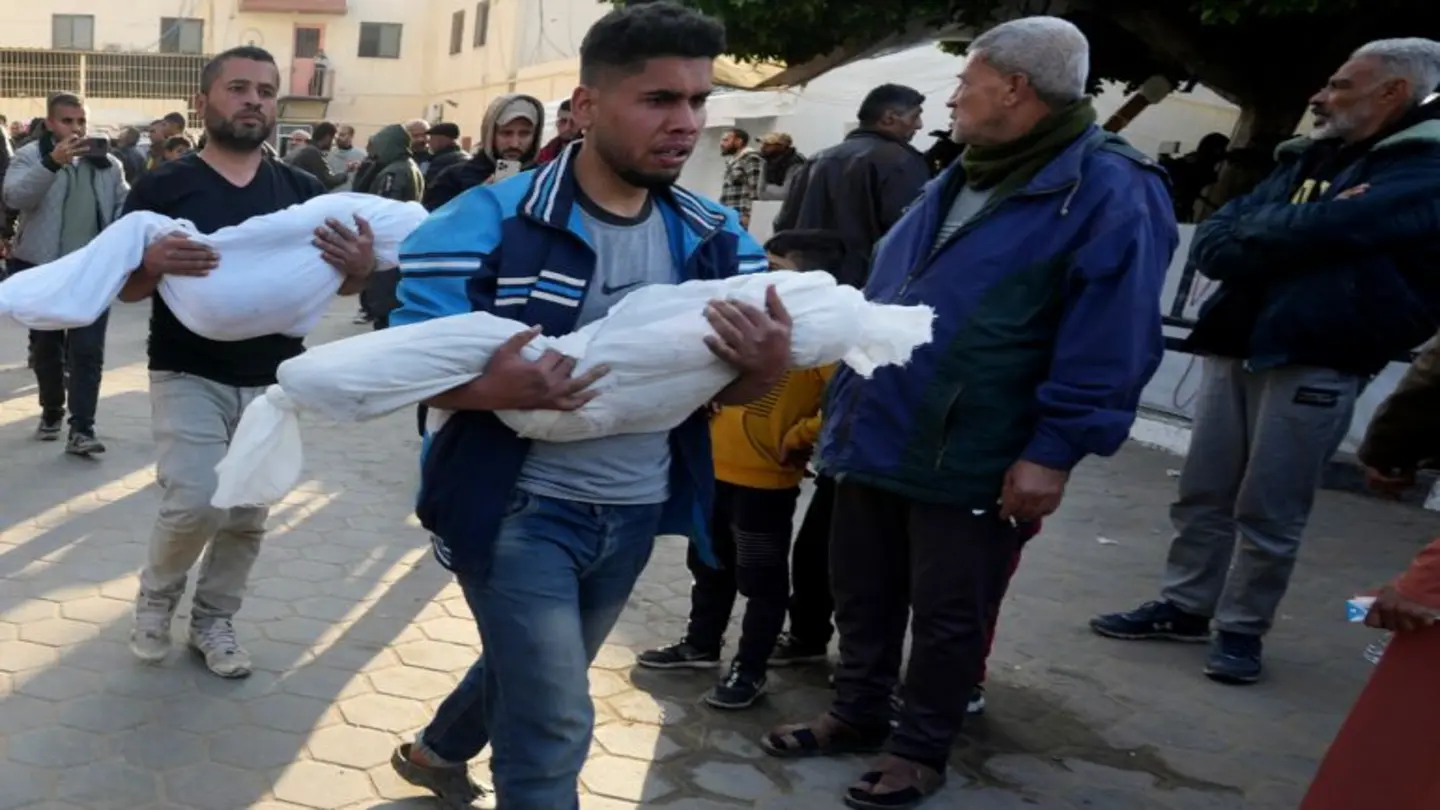
The United States has vetoed a United Nations Security Council resolution calling for an immediate ceasefire in Gaza, effectively blocking the measure despite overwhelming support from other member states. The vote saw 14 nations in favor of the resolution, with the US casting the sole dissenting vote, triggering criticism and concern from various international bodies and humanitarian organizations.
The resolution, drafted in response to the escalating humanitarian crisis in Gaza, urged an immediate cessation of hostilities to allow for the delivery of vital aid and to alleviate the suffering of civilians caught in the conflict. However, the US defended its veto, arguing that the resolution did not adequately address Israel’s right to self-defense and that it could potentially hinder ongoing negotiations aimed at securing a more sustainable peace agreement.
US Rationale
US Ambassador to the UN stated that while the US shares the goal of ending the violence and addressing the humanitarian crisis, they believe that the resolution, in its current form, is “unbalanced” and could jeopardize diplomatic efforts. The US has consistently maintained that any ceasefire resolution must be linked to the release of hostages held by Hamas and that it should not prevent Israel from responding to future attacks. Furthermore, the US voiced concerns over claims of famine, labeling some warnings as biased.
The veto has sparked widespread condemnation, particularly from countries in the Middle East and from humanitarian groups operating in Gaza. Critics argue that the US’s unwavering support for Israel is undermining international efforts to end the conflict and to provide much-needed assistance to the civilian population. The Palestinian Authority expressed its deep disappointment, calling the US action “irresponsible and morally indefensible.”
International Reactions
The UN Secretary-General has reiterated his call for an immediate ceasefire, emphasizing the urgent need to protect civilians and to prevent further escalation of the conflict. He warned that the humanitarian situation in Gaza is deteriorating rapidly, with widespread shortages of food, water, and medical supplies. Several European countries have also expressed their disagreement with the US veto, stressing the importance of upholding international law and of prioritizing the protection of civilians.
The failed resolution underscores the deep divisions within the international community over the Israeli-Palestinian conflict and the challenges of achieving a lasting peace in the region. The US remains a key player in the peace process, but its recent veto has raised questions about its role as an impartial mediator and its commitment to resolving the conflict in a fair and equitable manner. The situation remains tense, and further diplomatic efforts are needed to address the humanitarian crisis in Gaza and to revive the peace process.
Image Source: Google | Image Credit: Respective Owner