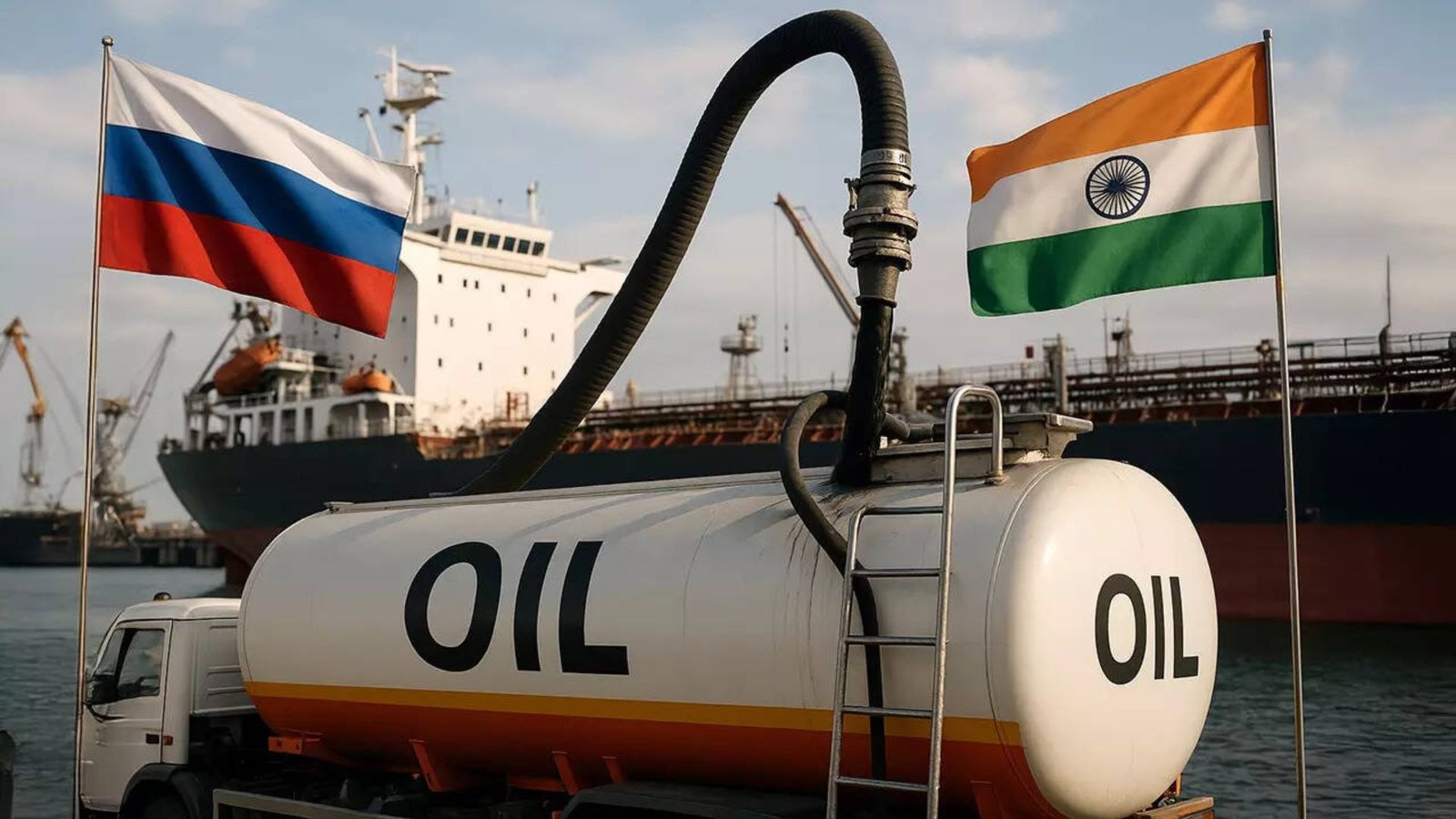
New Delhi – US Treasury Secretary Janet Yellen delivered a message to India, urging the nation to reduce its purchases of Russian oil, following former President Donald Trump’s threat to impose a 500% tariff on Chinese imports if re-elected. This pressure comes as India continues to navigate a complex energy landscape, balancing its domestic needs with geopolitical considerations.
Yellen’s remarks, made during a recent visit to India, emphasized the importance of aligning with international efforts to limit Russia’s revenue streams, which are being used to fund its war in Ukraine. While acknowledging India’s significant energy demands and its historical ties with Russia, she underscored the potential risks associated with relying on a sanctioned nation for crucial resources. The US believes that reducing dependence on Russian oil would not only strengthen global efforts to isolate Russia but also protect India from potential disruptions in supply and secondary sanctions.
The context of Trump’s proposed tariffs adds another layer of complexity to the situation. His pledge to impose a 500% tariff on all goods from China, if he wins the November election, has raised concerns about potential trade wars and economic instability. Trump specifically criticized India and China for their continued trade with Russia, framing it as unfair to the United States and its allies. He argued that the US is effectively subsidizing the defense of Ukraine while other nations profit from the conflict.
India’s Position
India has maintained a neutral stance on the Russia-Ukraine war, abstaining from votes condemning Russia at the United Nations. Officials have consistently stated that India prioritizes its own energy security and has the sovereign right to determine its trading partners. India imports a substantial amount of crude oil, and Russian oil has become increasingly attractive due to its discounted price, helping to mitigate the impact of high global energy costs on the Indian economy.
However, India is also mindful of its relationship with the United States, a key strategic and economic partner. Yellen’s visit and her discussions with Indian counterparts are part of a broader effort by the Biden administration to strengthen ties with India and encourage greater alignment on geopolitical issues. The US has been working to provide alternative sources of energy to India, but these have not yet fully offset the cost advantages of Russian oil.
The Indian government is currently evaluating its options, considering both its economic interests and its strategic relationships. Analysts suggest that India may gradually reduce its reliance on Russian oil, but a sudden and drastic shift is unlikely. The situation remains fluid, and the outcome will depend on a variety of factors, including the evolution of the Russia-Ukraine war, global energy market dynamics, and the results of the US presidential election. The US is hoping that continued dialogue and a demonstration of the benefits of diversifying energy sources will persuade India to take further steps to limit its purchases of Russian oil.
The potential for Trump’s tariffs to impact India’s trade with China is also being closely watched. Any significant disruption to trade flows could have ripple effects throughout the global economy, and India is preparing for a range of possible scenarios.
Image Source: Google | Image Credit: Respective Owner