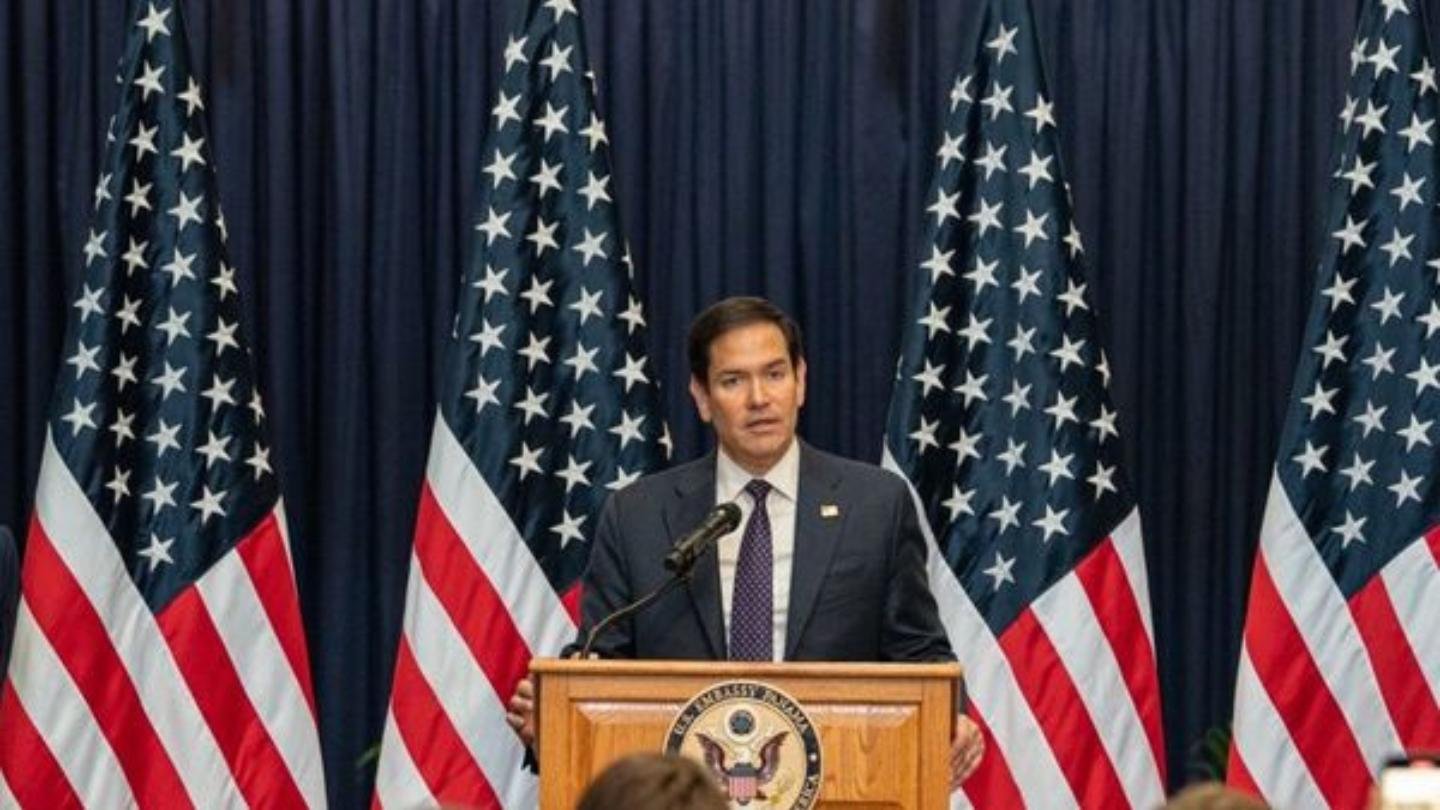
The United States is closely tracking the situation between India and Pakistan, US Secretary of State Marco Rubio said on Sunday, noting that truce agreements are fragile and can collapse quickly. Speaking to NBC News, Rubio reiterated President Donald Trump’s repeated claim that Washington played a key role in averting a nuclear escalation earlier this year.
Ceasefire and Conflicting Claims
India has maintained that its conflict with Pakistan ended in May after Islamabad sought a ceasefire following heavy losses during Operation Sindoor. New Delhi has repeatedly stressed that the decision was unilateral and not the result of outside mediation.
Pakistan, however, has echoed Trump’s assertions, crediting Washington with brokering the truce. Since May 10, when Trump announced that India and Pakistan had agreed to a “full and immediate ceasefire” after late-night talks, he has repeated the claim dozens of times.
Prime Minister Narendra Modi, in Parliament, clarified that no foreign leader asked India to halt operations. External Affairs Minister S. Jaishankar also dismissed Trump’s statements, stressing that there was no third-party involvement and that the ceasefire was not linked to trade incentives, as suggested by the US president.
Washington’s Position
Rubio explained that monitoring South Asia remains a daily task for US officials:
“One of the complications of ceasefires is maintaining them, which is very difficult. Every single day, we are keeping an eye on what is happening between Pakistan and India.”
In separate remarks to Fox Business, Rubio again praised Trump’s focus on peace, citing examples from Cambodia, Thailand, Rwanda, the Democratic Republic of Congo, and India-Pakistan.
Strategic Implications
While New Delhi dismisses US claims, Islamabad has sought to highlight Washington’s role. Pakistan’s Army Chief Asim Munir has made two visits to the US since May, and Washington recently announced an oil deal with Islamabad — a move analysts see as part of ongoing US-Pakistan engagement.
The conflicting narratives underscore how fragile ceasefire agreements can become instruments of political messaging, both in South Asia and abroad.
Image Source: Google | Image Credit: Respective Owner