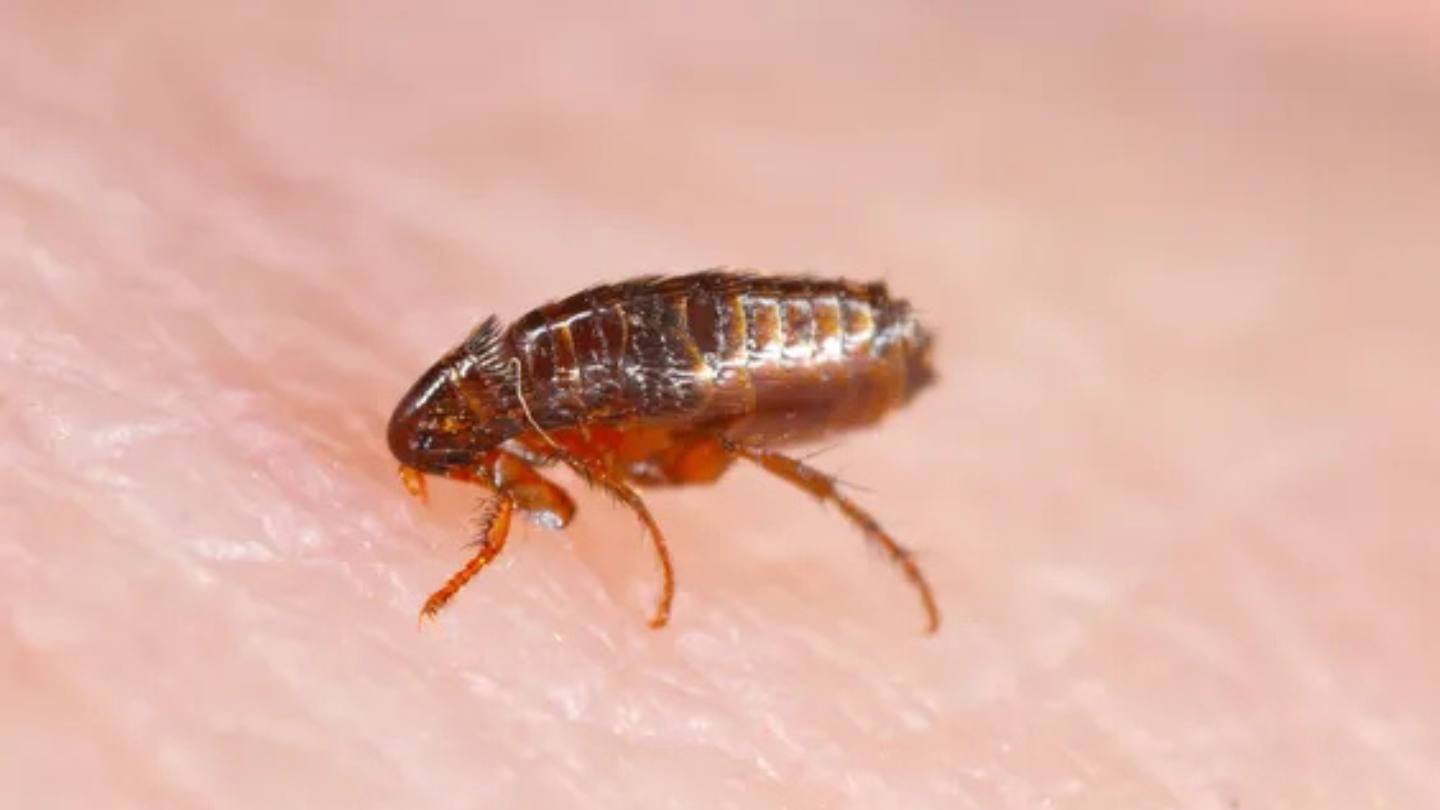
Health officials in California’s Sierra Nevada region have confirmed a rare case of plague, often referred to as the “Black Death.” The patient, whose identity has not been disclosed, is believed to have contracted the infection after being bitten by an infected flea while camping in South Lake Tahoe. They are currently recovering at home, according to local authorities.
Though historically devastating — the plague killed an estimated 50 million people in Europe during the 14th century — modern medicine has made the disease treatable with antibiotics if detected early.
What Causes Plague?
Plague is caused by the bacterium Yersinia pestis, transmitted to humans through the bites of infected fleas that typically live on rodents such as squirrels and rats. Pets like dogs and cats can also bring plague-infected fleas indoors.
Human cases are extremely rare today, but without treatment, the illness can be fatal.
Types of Plague
There are three main forms of plague, each with different symptoms and risks:
- Bubonic Plague – The most common type, marked by painful swollen lymph nodes (“buboes”) in the neck, armpits, or groin.
- Pneumonic Plague – A severe form that affects the lungs and can spread from person to person via respiratory droplets.
- Septicemic Plague – The rarest and deadliest type, occurring when the bacteria infect the bloodstream directly.
Recently, an individual in Arizona died from pneumonic plague, underscoring its seriousness.
Symptoms to Watch For
According to California health officials, symptoms usually appear within two weeks of exposure and may include:
- Fever and chills
- Nausea and weakness
- Swollen lymph nodes (in bubonic plague)
Treatment and Prevention
The Centers for Disease Control and Prevention (CDC) reports that the US sees an average of seven plague cases annually, mostly in the rural West. The disease is more common in Africa, Asia, and South America.
Plague is treatable with antibiotics, but urgent medical care is essential to avoid complications or death.
Preventive Tips (from health authorities):
- Do not feed or handle wild rodents.
- Avoid touching sick, injured, or dead animals.
- Keep pets away from rodent habitats and use flea-control products.
- Don’t camp or rest near burrows or areas with dead rodents.
- Wear long pants tucked into boots and use insect repellent when hiking or camping.
- Seek immediate medical care if you develop symptoms after being in plague-prone areas.
Officials caution that plague is unlikely to be eradicated due to its complex transmission cycle involving fleas, rodents, and humans, but awareness and prevention can greatly reduce risks.
Image Source: Google | Image Credit: Respective Owner