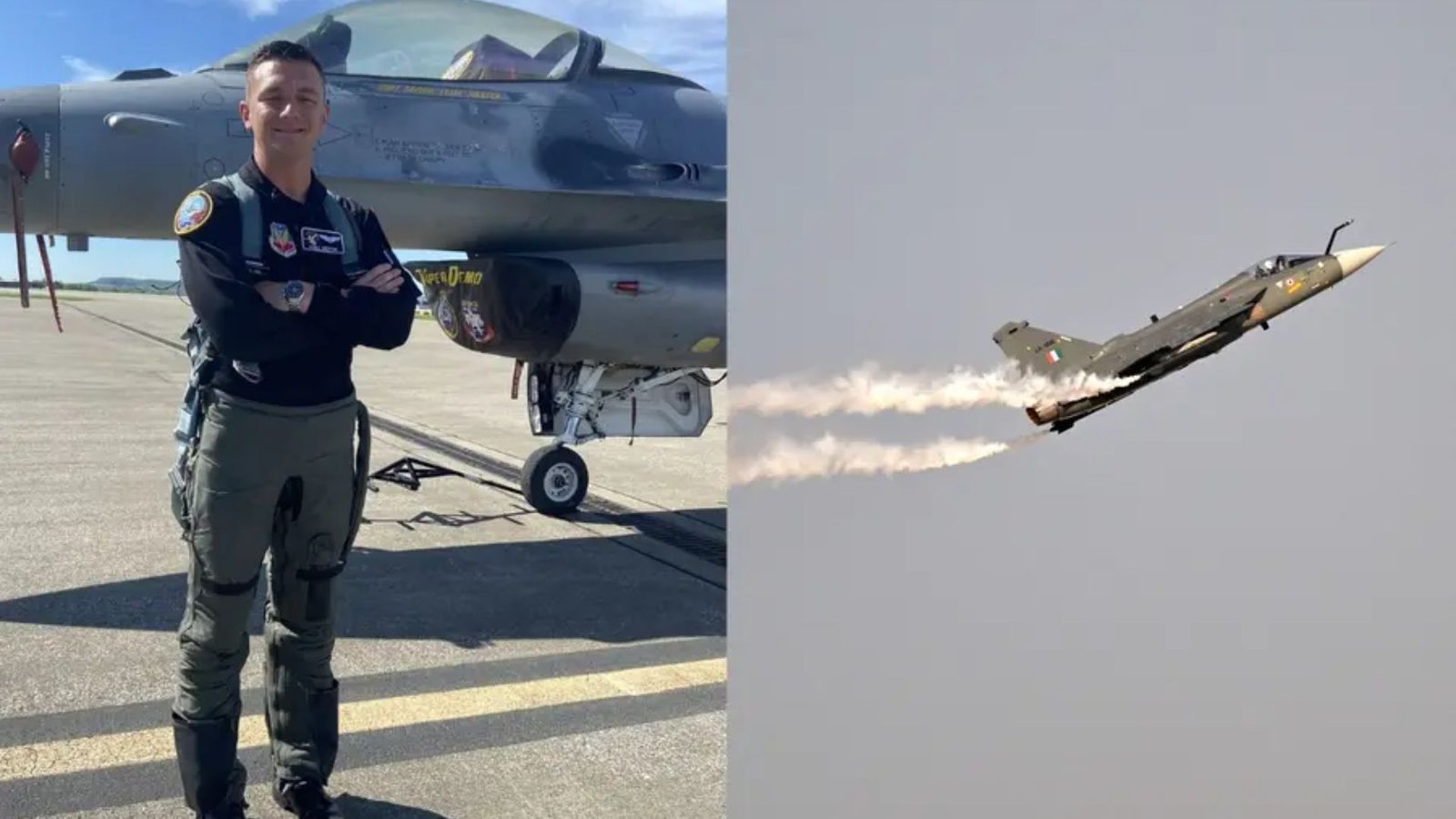
A US F-16 pilot has expressed discomfort and surprise that the Dubai Airshow proceeded despite the crash of a Tejas aircraft. The pilot, who remained anonymous, described the situation as “uncomfortable,” suggesting a sense of unease about the continuation of the event in the aftermath of the incident. The Times of India reported the pilot’s reaction, highlighting the ethical considerations that arose from the decision to continue the air show. This incident brings into sharp focus the balance between honoring commitments to participants and attendees, and acknowledging the gravity of accidents involving aviation.
Airshow Accidents: A Delicate Balance
Air shows, while captivating displays of aerial skill and technological prowess, carry inherent risks. Accidents, though infrequent, can have significant consequences, both in terms of human lives and reputational damage. The decision to proceed or halt an air show following an accident often involves complex factors, including the severity of the incident, the potential for further risk, and the contractual obligations to exhibitors and attendees. In the case of the Dubai Airshow, the choice to continue despite the Tejas crash has sparked debate about the appropriateness of such a decision.
The US pilot’s reaction underscores the emotional impact of such incidents on those involved in the aviation community. Witnessing or learning about an aircraft crash can be deeply unsettling, particularly for fellow pilots who understand the risks involved in aerial displays. The decision to carry on with the show may have been perceived as insensitive or disrespectful to those affected by the accident. The pilot’s comment emphasizes the importance of considering the human element in such situations.
The incident serves as a reminder of the delicate balance that must be struck between the commercial aspects of air shows and the ethical considerations that arise when accidents occur. While air shows are important platforms for showcasing aviation technology and fostering international cooperation, they must also prioritize safety and show sensitivity to the human cost of accidents. The Dubai Airshow incident highlights the need for clear protocols and guidelines for responding to such events, ensuring that decisions are made with careful consideration of all relevant factors.
Moving forward, air show organizers may need to review their emergency response plans and protocols to better address the ethical and emotional challenges that arise in the aftermath of accidents. This includes providing support for those affected, communicating transparently with the public, and making decisions that reflect a commitment to safety and respect for human life. The US pilot’s reaction serves as a valuable lesson, reminding the aviation community of the importance of empathy and ethical decision-making in the face of adversity. The industry must strive to create a culture that prioritizes safety and acknowledges the human toll of accidents.
Image Source: Google | Image Credit: Respective Owner