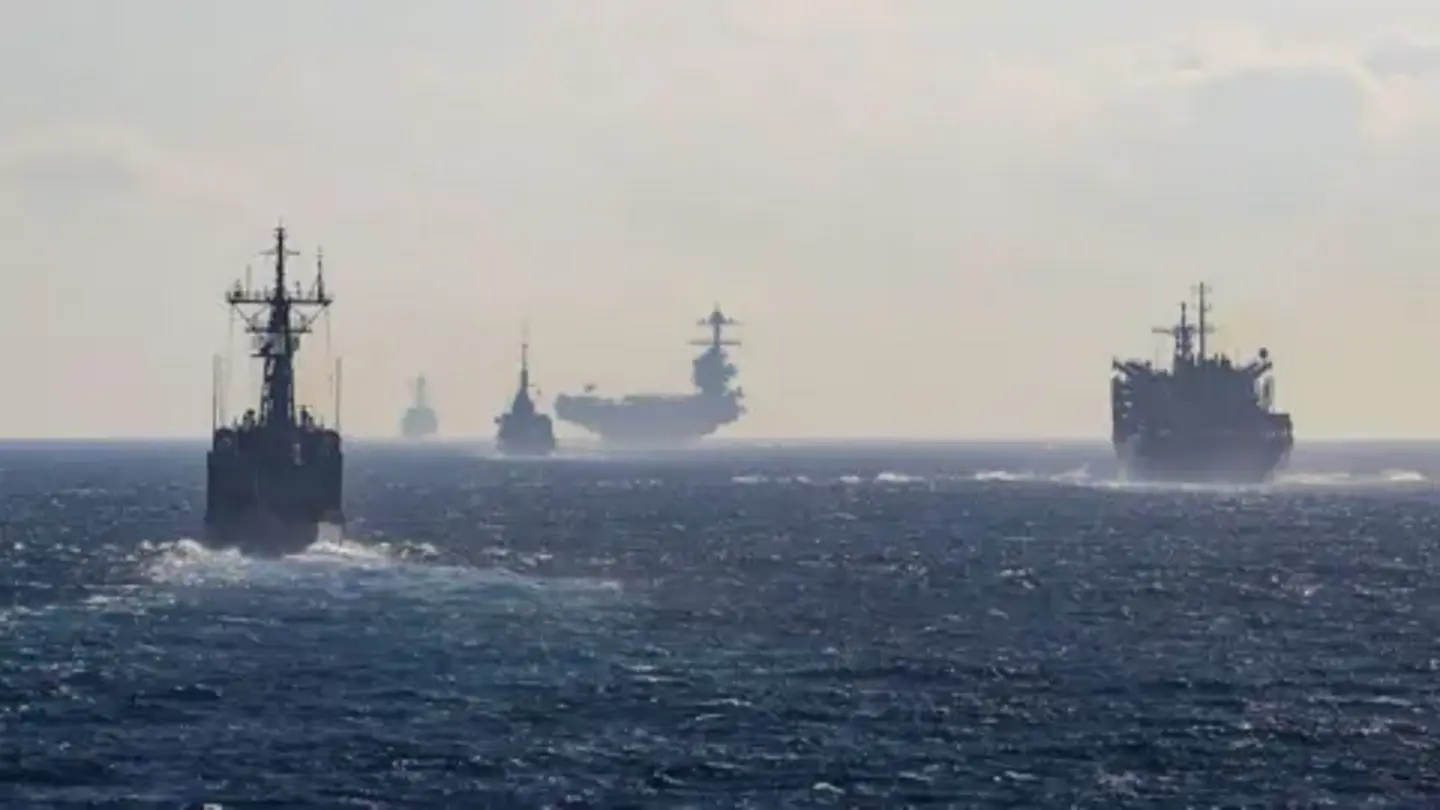
Military Incident in Caribbean Waters
A dramatic collision occurred in the Caribbean Sea when two US Navy ships were involved in a mid-sea refuelling operation that went awry. The incident, which took place in international waters, has raised serious concerns about naval safety protocols and the inherent risks associated with at-sea replenishment operations. Such collisions, though rare, can have significant implications for naval operations and crew safety, potentially affecting mission readiness and operational capabilities.
The collision happened during a routine underway replenishment, a complex and high-risk procedure where ships transfer fuel, ammunition, and supplies while maintaining formation at sea. According to official statements from the US Navy, the incident resulted in damage to both vessels but fortunately no injuries among crew members. The Navy has immediately launched a comprehensive investigation to determine the exact cause of the collision, which could range from human error to mechanical failure or environmental factors.
Naval experts have noted that while such incidents are uncommon, the complexity of at-sea operations requires precise coordination, experienced personnel, and robust safety measures. The Caribbean Sea, with its challenging weather conditions and heavy shipping traffic, presents additional challenges for naval operations. Witnesses reported hearing a loud impact as the two ships made contact during the delicate refuelling maneuver, indicating a significant collision force that caused visible structural damage.
The US Navy has emphasized that safety remains their top priority during all operations, particularly during replenishment at sea. They have implemented immediate safety measures to prevent similar incidents in the future, including enhanced training protocols, stricter operational guidelines, and improved communication systems between vessels. The damaged vessels are expected to undergo thorough repairs at the nearest naval facility to ensure their operational readiness and structural integrity before returning to active duty.
This incident comes at a time when the US Navy is focusing on enhancing its operational safety procedures following several previous mishaps. In recent years, the Navy has faced criticism over its safety record, with several high-profile accidents raising questions about training and maintenance standards. The collision serves as a stark reminder of the inherent risks involved in military operations, particularly those conducted in challenging maritime environments where conditions can change rapidly.
The US Navy has assured the public that the incident will be thoroughly investigated, with findings expected to be made public in due course. Appropriate measures will be implemented to prevent recurrence of similar incidents, including potential changes to operational procedures, equipment upgrades, and additional crew training. Meanwhile, the vessels involved are expected to return to active duty once repairs are completed, though the timeline for their return to operational status remains uncertain pending the investigation results.
International maritime authorities are also likely to review the incident, as it occurred in a busy international waterway frequented by commercial vessels and naval ships from multiple nations. The collision has prompted discussions about the need for improved coordination between naval vessels and commercial shipping in the Caribbean region, with calls for enhanced communication systems and traffic management protocols to reduce the risk of such incidents in the future.
Experts suggest that advanced technologies such as automated collision avoidance systems and improved radar monitoring could help prevent similar incidents in the future. Additionally, some have called for more regular safety audits and crew evaluations to ensure that personnel are adequately prepared for the challenges of at-sea operations. The US Navy is expected to incorporate these recommendations into its ongoing safety improvement initiatives.
Image Source: Google | Image Credit: Respective Owner