Key Conditions and Challenges
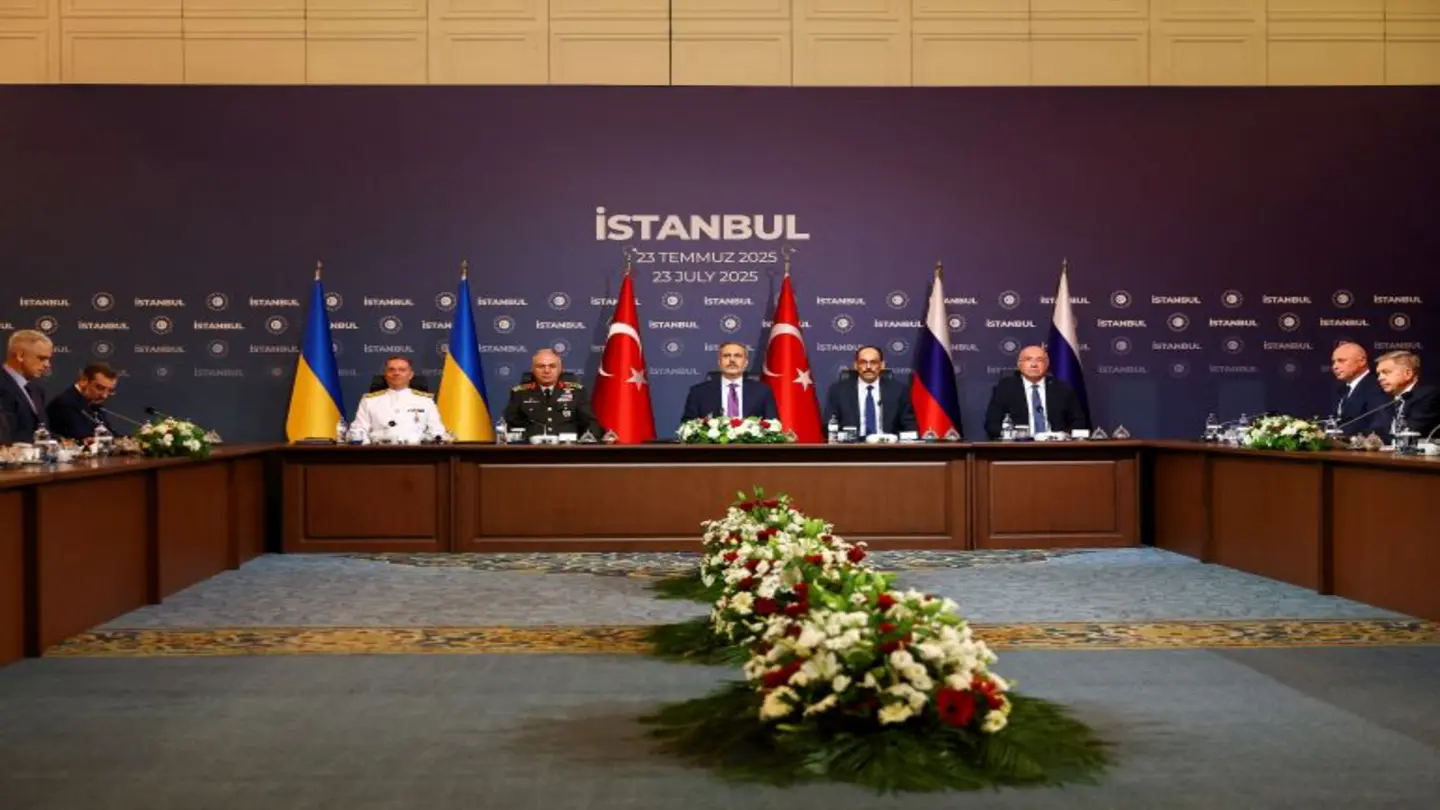
The Kremlin on Monday reaffirmed its stance that the war in Ukraine will only end if Kyiv accepts Russian terms, coinciding with the launch of US-mediated peace talks. The negotiations, held under strict secrecy, aim to address territorial disputes, security guarantees, and economic reconciliation. However, analysts warn that divergent demands—such as Russia’s insistence on unconditional support for separatist regions in eastern Ukraine and Ukraine’s refusal to surrender sovereignty—may hinder progress.
The talks, brokered by U.S. special envoy Brett McGurk, come amid escalating tensions. Russia accuses Ukraine of violating the Joint Communiqué of April 2022, which called for neutrality talks, while Kyiv denies breaches. The EU and NATO have urged continued support for Ukraine, emphasizing the need for a sustainable resolution without compromising territorial integrity.
Diplomatic hurdles include reconciling Russia’s demand for guaranteed non-expansion of NATO and Ukraine’s alignment ambitions. Meanwhile, humanitarian crises persist, with over 8 million Ukrainians displaced since the invasion began in February 2022. Experts caution that while dialogue is critical, resolving entrenched positions may take months, if not years.
Historical parallels suggest the talks could mirror pre-2022 stagnation, where negotiations collapsed due to irreconcilable terms. Success hinges on mutual concessions, but both sides appear entrenched. The U.S. has signaled readiness to mediate, though its leverage over Moscow remains limited. Analysts predict that even incremental agreements, such as ceasefires on specific fronts, could stabilize the conflict temporarily.
Image Source: Google | Image Credit: Respective Owner