Recent statements from former President Donald Trump regarding potential attacks on Iran have ignited debate and speculation about the feasibility and implications of such actions. Specifically, Trump suggested that if he were to return to office, the US might strike Iran from the Persian Gulf, a region strategically vital for both global energy supplies and international security. This assertion has prompted analysis from military experts and geopolitical observers regarding the logistical and political challenges involved.
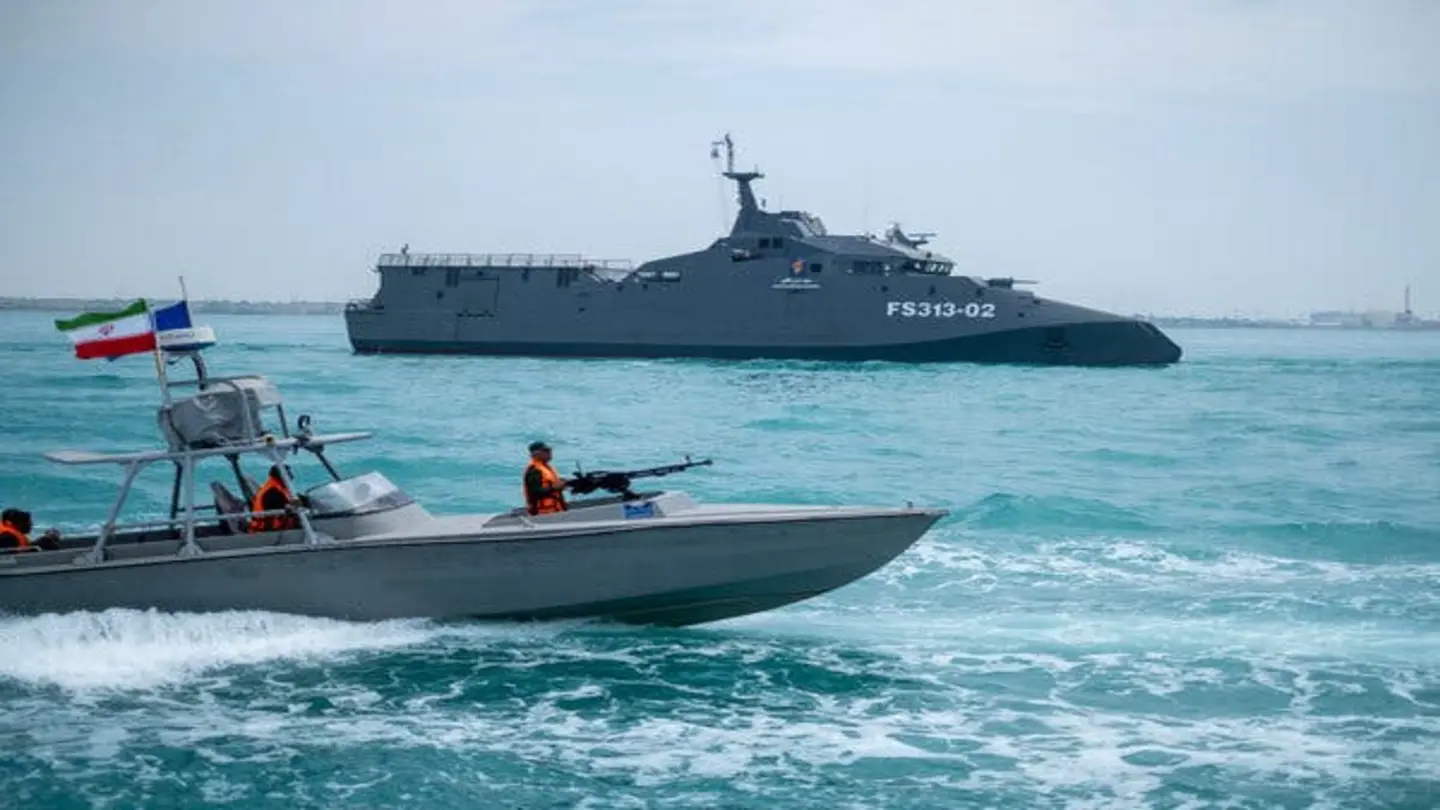
The Persian Gulf, a relatively confined body of water, presents a complex operational environment. Any military action would necessitate navigating through narrow straits, potentially facing asymmetric warfare tactics employed by Iran, including fast attack craft, mines, and anti-ship missiles. The proximity of civilian infrastructure, including oil facilities and major shipping lanes, also raises concerns about collateral damage and escalation. Furthermore, the presence of other regional actors, such as Saudi Arabia, Qatar, and the United Arab Emirates, adds another layer of complexity, requiring careful consideration to avoid unintended consequences and maintain regional stability.
Potential US Strategies
If the US were to consider military action, several strategies could be employed. Carrier-based air strikes, utilizing aircraft carriers stationed in the region, represent a significant offensive capability. Submarine-launched cruise missiles offer a more stealthy approach. However, both options would require extensive intelligence gathering and precise targeting to minimize risks. Land-based air assets, potentially deployed from bases in neighboring countries, could also play a role, though this would depend on securing necessary permissions and logistical support.
Experts point out that Iran has invested heavily in its defensive capabilities within the Persian Gulf, creating a layered defense system designed to deter and complicate any potential attack. This includes a network of coastal defenses, surveillance systems, and a robust naval force. Successfully neutralizing these defenses would be a crucial, and challenging, prerequisite for any US military operation. The effectiveness of US air defenses against Iranian missiles and drones would also be a key factor.
The political ramifications of a US attack on Iran are substantial. It could lead to a wider regional conflict, drawing in other countries and potentially destabilizing the entire Middle East. International condemnation would likely be swift and widespread. Moreover, such an action could jeopardize ongoing diplomatic efforts to de-escalate tensions and revive the Iran nuclear deal. The Biden administration has consistently emphasized its commitment to diplomacy, making a unilateral military strike a significant departure from current policy.
Trump’s comments have been largely interpreted as rhetorical posturing, aimed at demonstrating a tough stance on Iran. However, the very discussion of potential military action underscores the persistent tensions between the two countries, stemming from Iran’s nuclear program, its regional activities, and its support for proxy groups. Whether these tensions will escalate to a military confrontation remains to be seen, but the possibility, however remote, cannot be discounted, particularly given the volatile geopolitical landscape.
Ultimately, the feasibility of a US attack from the Persian Gulf depends on a multitude of factors, including the specific objectives of the operation, the capabilities of both sides, and the broader political context. The risks are considerable, and the potential consequences far-reaching.
Image Source: Google | Image Credit: Respective Owner