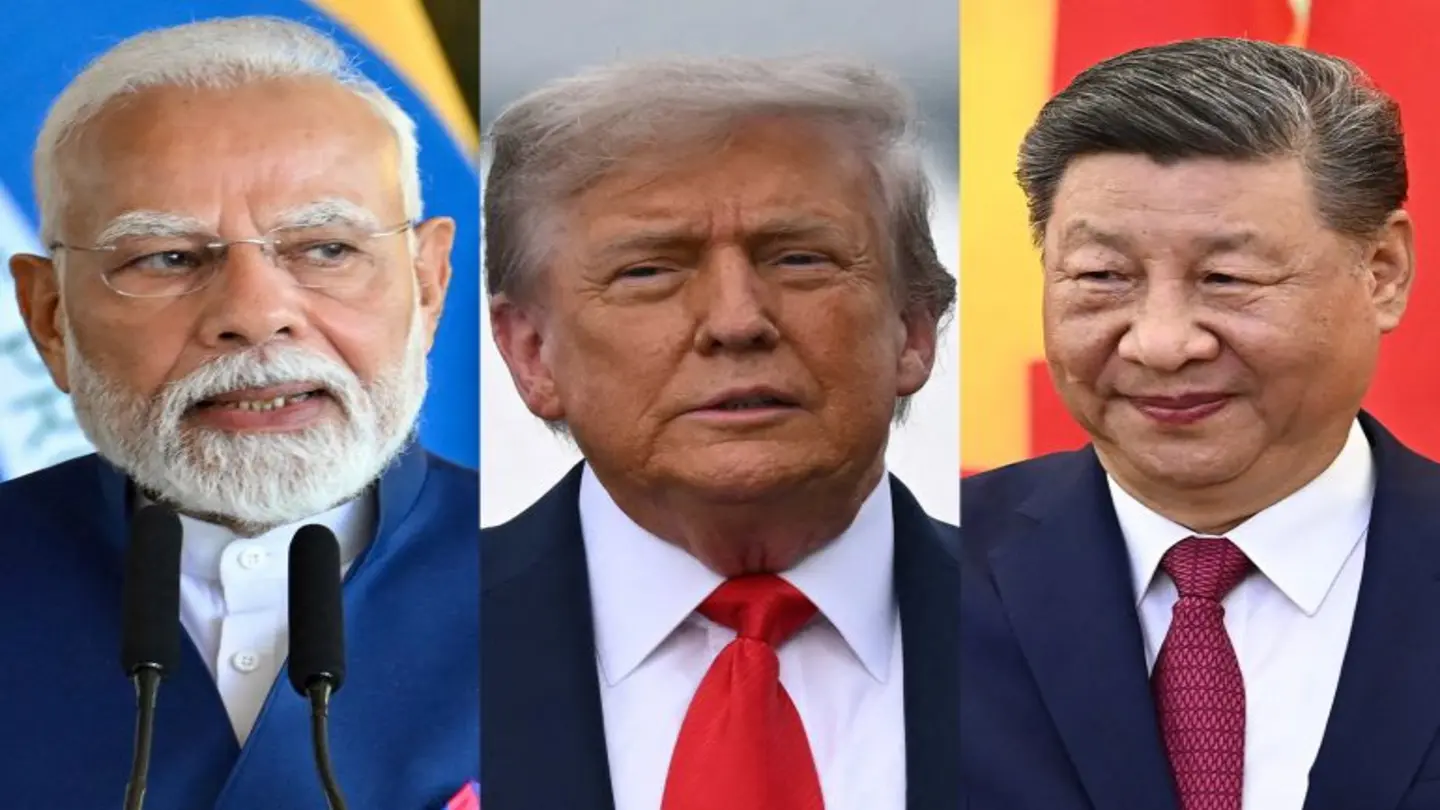
The United States has asserted that India, much like China, is scaling back its imports of Russian oil, reportedly following a request made by former President Donald Trump. This claim, highlighted in a recent report, suggests a potential shift in the geopolitical landscape of energy trade and international relations. The report details the intricate web of global oil markets and the influence wielded by major economies in shaping energy flows.
Context of the Request
According to the report, Trump’s administration engaged in diplomatic efforts to persuade key nations, including India, to reduce their dependence on Russian energy sources. The rationale behind this push was to limit Russia’s financial leverage and exert pressure on its foreign policy agenda. The US has long been wary of Russia’s influence in global energy markets, viewing it as a tool for political maneuvering. The request to India and China was part of a broader strategy to diversify energy supplies and promote alternative sources.
India, a major energy consumer, has traditionally relied on a mix of domestic production and imports to meet its growing demands. Russian oil has become an increasingly significant component of India’s energy basket, particularly as it often offers competitive pricing. China, similarly, has been a key consumer of Russian oil, with imports fluctuating based on economic conditions and geopolitical considerations. The US claim suggests that both nations have responded, at least in part, to the US request, potentially impacting the volume of Russian oil finding its way to these markets.
Implications for Global Markets
If India and China are indeed reducing their Russian oil imports, this could have substantial implications for global energy markets. A decrease in demand from these major consumers could lead to a surplus of Russian oil, potentially driving down prices and affecting Russia’s revenue streams. This could also incentivize Russia to seek alternative markets, further reshaping the global energy landscape. Furthermore, it could open opportunities for other oil-producing nations to increase their market share in India and China.
However, the extent to which India and China are genuinely reducing their imports remains a topic of debate. Economic factors, such as price fluctuations and supply disruptions, also play a crucial role in shaping import decisions. It’s possible that any apparent decrease in Russian oil imports is influenced by a combination of factors, including US pressure, market dynamics, and strategic considerations. The situation is fluid and subject to change as geopolitical and economic factors evolve. Understanding the underlying motivations and the actual volumes involved requires careful analysis of trade data and diplomatic interactions.
Future Outlook
The future of India and China’s relationship with Russian oil will likely depend on a range of factors, including evolving geopolitical dynamics, energy security concerns, and economic calculations. The ongoing conflict in Ukraine and the subsequent sanctions imposed on Russia have added further complexity to the situation. As the global energy landscape continues to shift, India and China will need to balance their energy needs with their foreign policy objectives and economic interests. The US will likely continue to monitor the situation closely, seeking to influence energy flows and promote its strategic goals.
Image Source: Google | Image Credit: Respective Owner