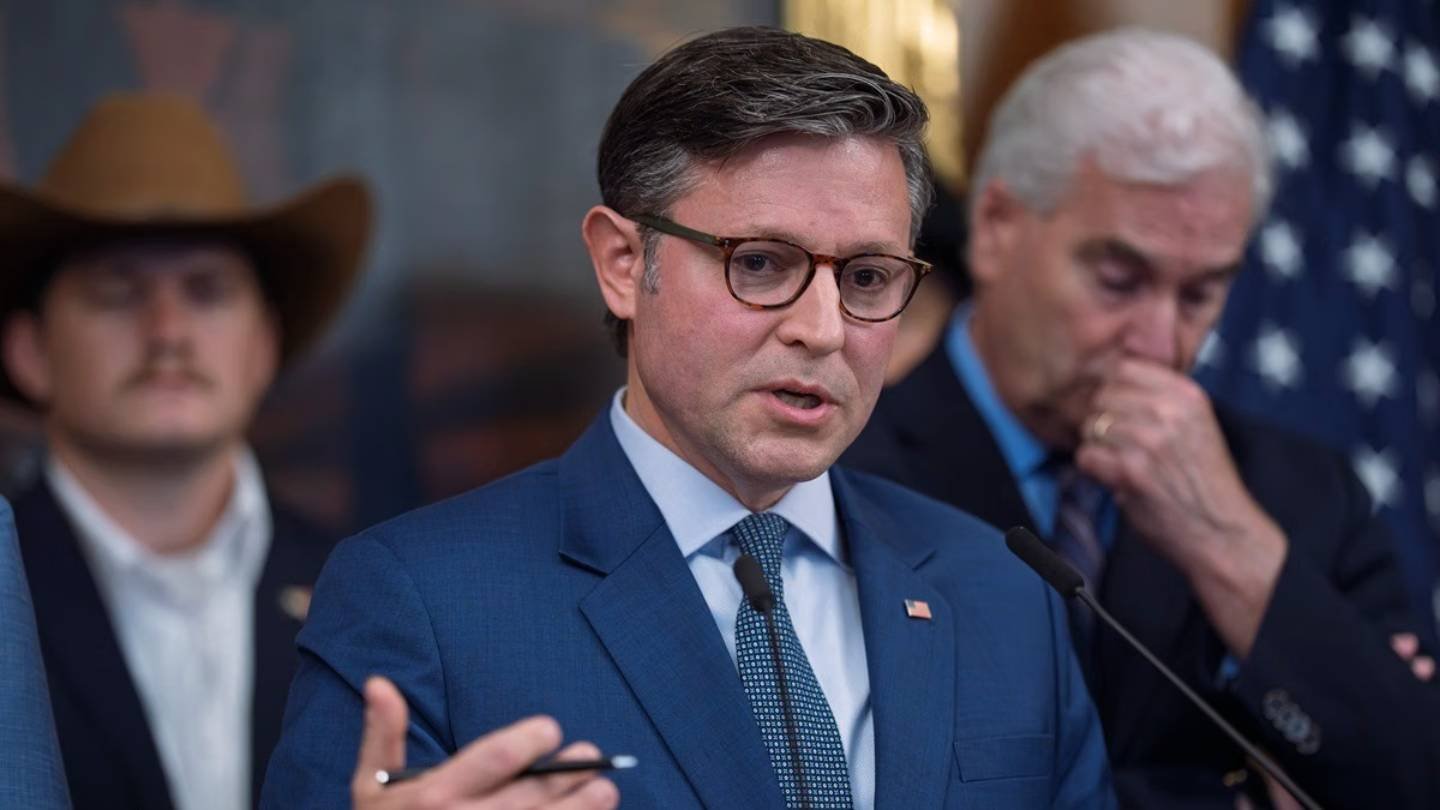
The United States government is teetering on the brink of a shutdown as the Senate has once again failed to pass crucial funding bills. The ongoing impasse threatens to disrupt a wide range of federal services and programs, impacting everything from national parks and air travel to scientific research and social safety nets.
The failure to reach a consensus stems from deep divisions within Congress over spending priorities and policy riders attached to the appropriations bills. Republicans and Democrats remain at odds over issues such as border security, climate change regulations, and funding for specific government agencies. With the deadline fast approaching, the possibility of a prolonged shutdown looms large.
Economic Impact
A government shutdown could have significant repercussions for the U.S. economy. Federal employees would be furloughed, leading to a reduction in consumer spending and economic activity. Government contractors could face delays in payments, potentially forcing them to lay off workers. The closure of national parks and other federal facilities would hurt tourism and related industries.
Moreover, a shutdown could damage the reputation of the United States on the global stage, undermining confidence in the country’s ability to manage its finances and govern effectively. International investors may become wary of investing in U.S. assets, leading to higher borrowing costs and slower economic growth.
Political Fallout
The political fallout from a government shutdown could be substantial, with both parties likely to face blame from voters. The public generally disapproves of government shutdowns, viewing them as unnecessary disruptions caused by political gridlock. The party seen as responsible for triggering the shutdown could suffer at the polls in future elections.
However, in some cases, a shutdown can be a calculated political risk, with one party betting that it can extract concessions from the other side by holding the government hostage. This strategy can backfire if the public blames the party for the disruption and refuses to reward its intransigence.
Path Forward
As the deadline for a government shutdown approaches, there is still time for Congress to reach a compromise. Negotiations are ongoing between Republican and Democratic leaders in the House and Senate. However, significant differences remain, and it is unclear whether a deal can be struck in time to avert a shutdown.
One possible solution would be to pass a short-term continuing resolution, which would extend current funding levels for a few weeks or months, giving lawmakers more time to negotiate a comprehensive spending agreement. However, even this option faces obstacles, as some members of Congress are opposed to any further extensions of existing funding levels.
Ultimately, the fate of the government hinges on the ability of Republicans and Democrats to find common ground and put the interests of the country ahead of partisan politics. A shutdown would be a costly and unnecessary setback for the U.S. economy and its standing in the world.
Image Source: Google | Image Credit: Respective Owner