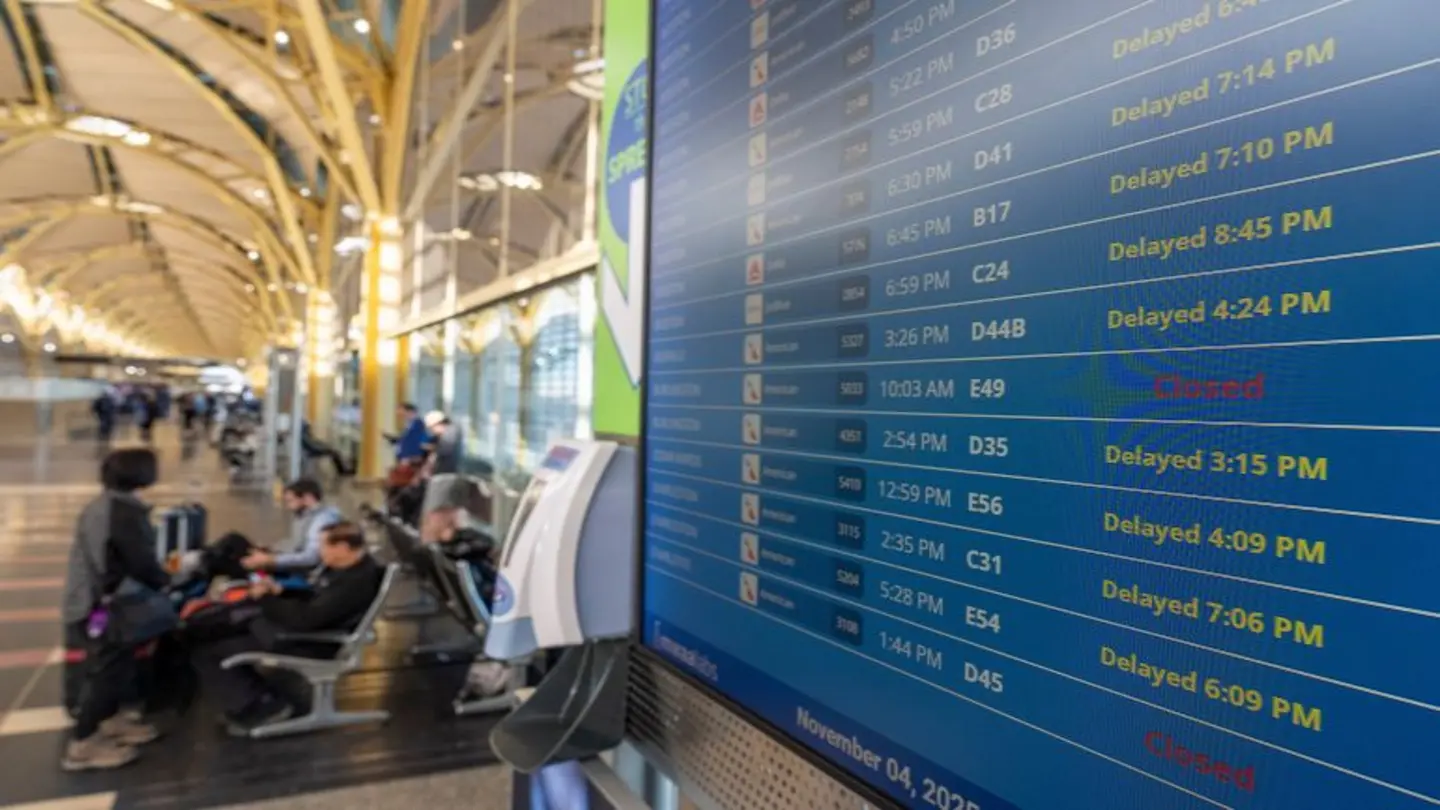
The ongoing US government shutdown is impacting air travel, with the Federal Aviation Administration (FAA) announcing flight reductions at 40 airports across the country. Major hubs like New York’s John F. Kennedy International Airport, Los Angeles International Airport, and Chicago O’Hare International Airport are among those affected, leading to potential delays and disruptions for travelers.
The FAA’s decision stems from staffing shortages among air traffic controllers and other essential personnel due to the shutdown. With government employees furloughed or working without pay, concerns have risen about the ability to maintain safe and efficient air traffic operations. The reduced flight schedules are intended to alleviate the strain on the system and minimize potential risks.
Impact on Travelers
Passengers are advised to check with their airlines for the latest flight information and to anticipate potential delays. The extent of the disruptions will vary depending on the airport and the airline, but travelers should be prepared for longer wait times and possible cancellations. The shutdown’s impact is particularly concerning during peak travel seasons, potentially exacerbating the challenges faced by airlines and passengers.
The list of affected airports includes a mix of major international gateways and smaller regional airports. The FAA has not specified the exact number of flights being cut at each location, but the agency has indicated that the reductions will be tailored to the specific circumstances at each airport. The agency is closely monitoring the situation and will adjust the flight schedules as needed to ensure safety and efficiency.
The shutdown’s effect on air travel extends beyond flight delays. Reduced staffing can also impact baggage handling, security screening, and other airport services, leading to further inconvenience for travelers. Airlines are working to mitigate the impact of the shutdown, but they face significant challenges due to the uncertainty surrounding the situation.
Economic Repercussions
The government shutdown’s impact on air travel is also raising concerns about the broader economic consequences. The aviation industry is a significant contributor to the US economy, and disruptions to air travel can have a ripple effect across various sectors, including tourism, hospitality, and trade. The shutdown is already costing the US economy billions of dollars, and the longer it continues, the more severe the economic repercussions are likely to be.
The FAA has emphasized that safety remains its top priority. The agency is working closely with airlines and other stakeholders to minimize the impact of the shutdown on air travel, but it acknowledges that the situation is challenging. The agency is urging Congress and the White House to resolve the shutdown as quickly as possible to restore normal operations and minimize disruptions to the traveling public.
The flight cuts will remain in effect until the government shutdown ends and full staffing levels are restored. Travelers are encouraged to stay informed about the latest developments and to plan accordingly. The situation is fluid, and changes can occur quickly. Staying updated through official channels, such as airline websites and FAA announcements, is crucial for navigating the disruptions caused by the government shutdown.
Image Source: Google | Image Credit: Respective Owner