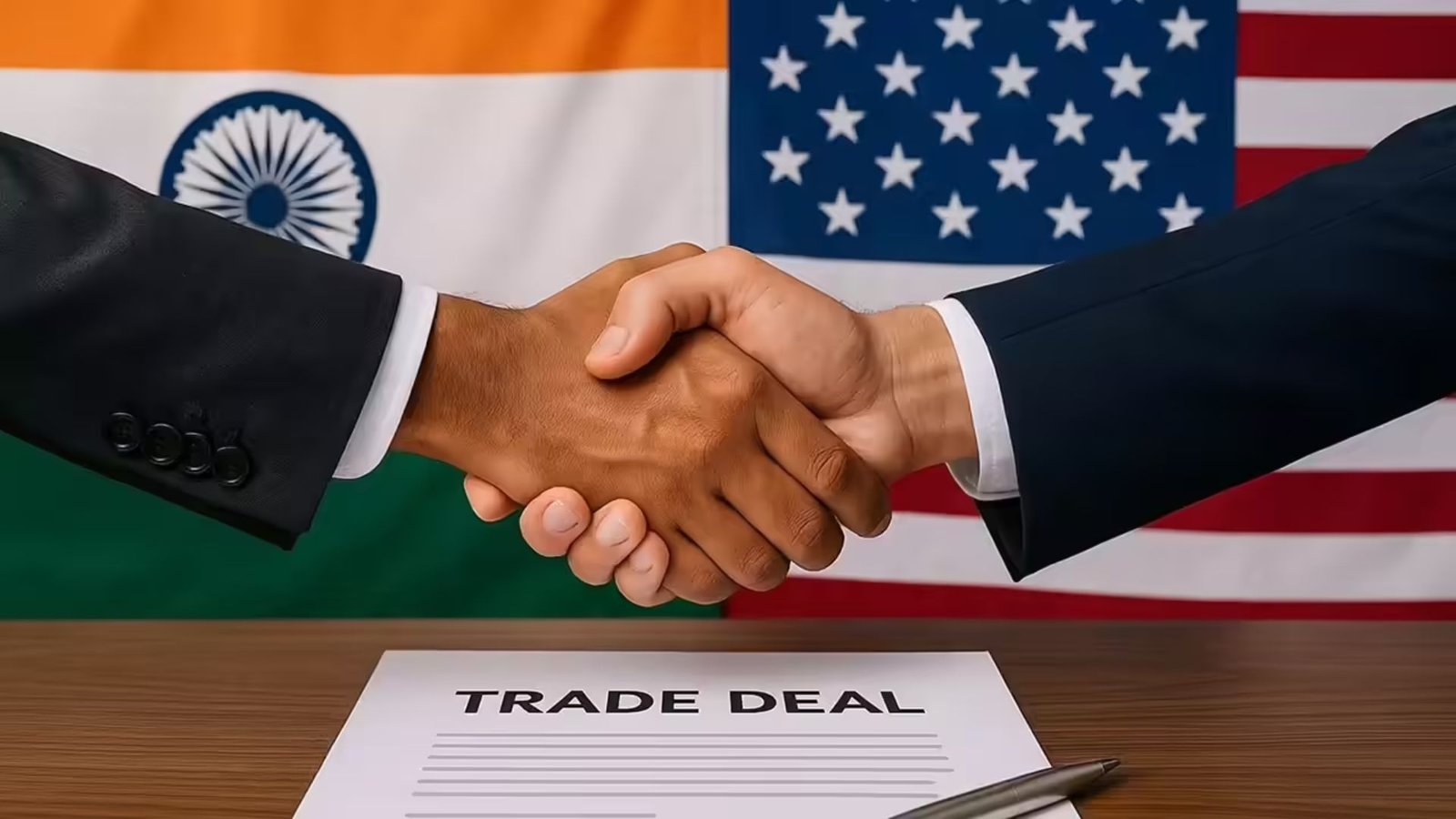
A potential curb on former President Trump’s tariff powers by the US top court could lead to a $500 million refund and potentially a fairer trade deal for India. The case, if decided against the broad application of Section 232 of the Trade Expansion Act, could have significant implications for international trade relations and the balance of power in trade negotiations.
Section 232 allows the US president to impose tariffs on imports deemed a threat to national security. Trump invoked this section to impose tariffs on steel and aluminum imports, impacting numerous countries, including India. These tariffs were widely criticized by trade partners who argued they were protectionist measures disguised as national security concerns.
Impact on India
For India, a rollback of these tariffs could mean a substantial refund on duties paid and a more level playing field in trade negotiations. The $500 million figure represents the estimated amount of tariffs paid by Indian companies on steel and aluminum exports to the US. This refund would provide a welcome boost to Indian exporters and could improve overall trade relations between the two countries.
Beyond the immediate financial impact, a ruling against the expansive use of Section 232 could also strengthen India’s position in future trade talks. It would signal that the US is committed to fair trade practices and is willing to abide by international trade rules. This could lead to a more constructive and mutually beneficial trade relationship.
Broader Implications
The case before the US top court has broader implications for the global trading system. Many countries have expressed concerns about the use of national security as a justification for imposing trade barriers. A ruling against the broad application of Section 232 could set a precedent that limits the ability of countries to use this justification for protectionist purposes.
Moreover, it could lead to a re-evaluation of existing trade agreements and a push for greater transparency and accountability in trade negotiations. Countries may be more willing to challenge trade practices that they believe are unfair or discriminatory.
Future of US-India Trade
The outcome of this case could shape the future of US-India trade relations. If the US top court rules against the expansive use of Section 232, it could pave the way for a more stable and predictable trade environment. This would benefit both countries and could lead to increased investment and economic growth. Conversely, if the court upholds the broad application of Section 232, it could embolden the US to impose further tariffs and trade barriers, potentially harming trade relations with India and other countries.
The legal challenge highlights the ongoing debate about the balance between national security and free trade. It underscores the importance of a rules-based international trading system and the need for countries to adhere to their trade obligations. The decision by the US top court will be closely watched by governments and businesses around the world.
Image Source: Google | Image Credit: Respective Owner