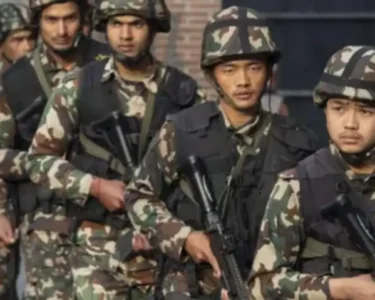
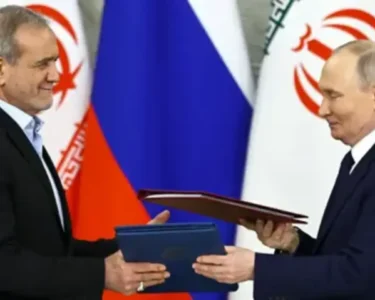
Tensions in the Asia-Pacific region have escalated as the United States dispatched B-1B Lancer bombers to join Japanese fighter jets in a show of force, directly responding to joint military drills conducted by China and Russia. The move underscores growing geopolitical friction and highlights the strategic realignment of alliances in a region already strained by territorial disputes and great-power competition.
The Chinese and Russian naval exercises, held in the East China Sea and Western Pacific from late May through early June, involved advanced warships, submarines, and aircraft. Beijing framed the drills as routine bilateral cooperation, emphasizing their focus on maritime security and best practices. However, analysts view the maneuvers as a direct message to Washington and its regional allies, particularly Japan, which has deepened its security partnership with the US in recent years.
In response, the US Pacific Air Forces deployed two B-1B bombers from Anderson Air Base in Guam, accompanied by Japanese F-35A Lightning II multirole fighters. The combined patrol traversed key international waterways, including the Miyako and Okinawa straits, areas critical to global trade and military logistics. Pentagon officials characterized the operation as a demonstration of “extended deterrence” capabilities, reassuring Tokyo of America’s commitment to Article 5 of the bilateral security treaty.
The timing of these movements carries symbolic weight. It coincides with ongoing negotiations over Taiwan’s defense posture and follows months of cordial diplomacy between China and Russia, including presidential summits and joint statements on opposing NATO expansion. Military analysts suggest the drills and counter-drills create a “security dilemma,” where defensive actions by one side provoke offensive reactions from others, potentially leading to miscalculation.
Regional reactions have been mixed. South Korea welcomed the US-Japan coordination as a stabilizing factor, while Australia expressed concern about escalation risks. Southeast Asian nations, including Vietnam and Malaysia, have called for restraint, urging all parties to prioritize diplomatic engagement.Meanwhile, China’s Ministry of National Defense dismissed the US-Japan patrol as “provocative behavior” that exacerbates regional instability, warning against “interference in China’s internal affairs.”
Experts warn that the Asia-Pacific is entering a phase of “controlled crisis.” Dr. Emily Chen, a security scholar at Tokyo’s Keio University, notes that while direct conflict remains unlikely, the risk of accidental clashes or cyber incidents is rising. “Both sides are testing red lines,” she said, “but the absence of crisis communication channels heightens dangers.” Calls have grown for renewed multilateral dialogue, including a possible ASEAN-led summit to address maritime security concerns.
The broader implications extend beyond immediate military posturing. Economic ties are also affected, with supply chain disruptions possible if tensions spill into the South China Sea. Energy markets watch closely, as any incident near key chokepoints like the Malacca Strait could trigger global price spikes. As major powers jostle for influence, the Asia-Pacific’s strategic map is being redrawn—one bomber sortie and naval exercise at a time.
Image Source: Google | Image Credit: Respective Owner