As U.S.-Russia tensions escalate once again, both nations are revisiting Cold War-era naval strategies. In a recent move, U.S. President Donald Trump ordered the deployment of two nuclear submarines to key global waters in response to provocative remarks from former Russian President Dmitry Medvedev. This escalation came after Medvedev referenced Russia’s infamous “dead hand” system—a Cold War relic designed to launch a nuclear counterstrike even if leadership was wiped out.
While the Kremlin has yet to issue an official response, Russian lawmaker Viktor Vodolatsky claimed Russia’s nuclear submarine presence surpasses the U.S.’s in key strategic zones. As both sides posture with shows of military strength, here’s how their submarine fleets compare beneath the waves:
United States Submarine Capabilities
🔹 Ohio-Class Ballistic Missile Submarines (SSBNs)
- Fleet Size: 14
- Role: Nuclear deterrence
- Key Weapon: Trident II D5 submarine-launched ballistic missiles (SLBMs)
- Notable Feature: Operates for 15 years without a major overhaul
Nicknamed “boomers,” these stealthy subs are at the heart of the U.S. nuclear triad.
🔹 Fast Attack Submarines (SSNs)
The U.S. Navy operates three active SSN classes:
- Virginia-Class
- Fleet Size: 24
- Equipped with: Tomahawk cruise missiles, MK-48 torpedoes
- Special Features: Supports special forces operations, includes lock-in/lock-out chamber for divers
- Role: Anti-submarine warfare, reconnaissance, and land-attack missions
- Seawolf-Class
- Fleet Size: 3
- Highly stealthy with 8 torpedo tubes
- No vertical launch system
- Built for deep-sea and under-ice operations
- Los Angeles-Class (688-Class)
- Fleet Size: Approx. 24 in service
- First introduced: 1976
- Legacy: Backbone of the U.S. Navy’s Cold War submarine force
- Being phased out in favor of Virginia-class subs
Russia’s Submarine Force
🔹 Ballistic Missile Submarines (SSBNs)
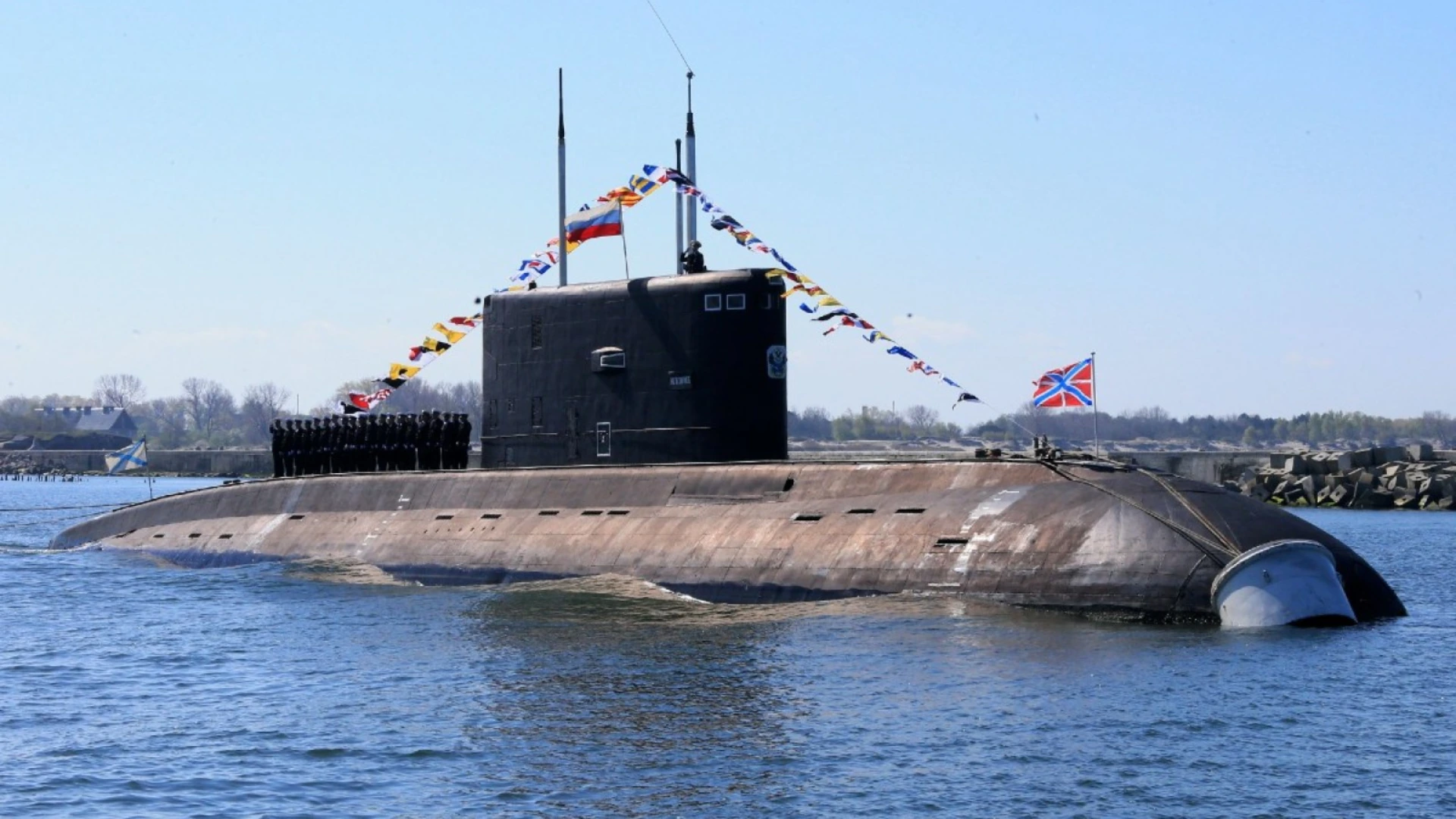
Russia maintains one of the largest submarine fleets globally, with around 64 submarines overall.
- Borei-Class
- Fleet Size: 8
- Primary Weapon: 16 Bulava SLBMs
- Other Armaments: Torpedoes, anti-submarine rockets, bottom-laid mines
- Crew Size: Over 100
- Role: Core of Russia’s future nuclear deterrent
- Delta IV-Class
- Fleet Size: At least 6
- Role: Strategic nuclear patrol
- Weaponry: 16 Sineva SLBMs
- Being gradually replaced by Borei-class subs
🔹 Attack Submarines (SSNs)
- Yasen-Class
- Fleet Size: 4
- Weapons: Kalibr or Oniks cruise missiles
- Known For: Compact design, advanced long-range land and sea attack capabilities
- Akula-Class
- Fleet Size: Approx. 5
- Nickname: “Shark” (Akula in Russian)
- Armaments: Kalibr, Oniks, or Granit missiles, torpedoes
- Role: Russia’s stealth response to the U.S. Los Angeles-class submarines
Strategic Takeaways
Both the U.S. and Russia possess formidable undersea fleets, each tailored to its strategic doctrines. The U.S. Navy’s technological edge and global reach are balanced by Russia’s emphasis on survivable second-strike capabilities and regionally focused deployments.
As rhetoric intensifies and submarines reposition beneath the ocean’s surface, both nations appear prepared to revisit some of the high-stakes naval brinkmanship of the past—this time in a world far more connected and unpredictable.
Image Source: Google
Image Credit: Respective Owner