The United Nations Security Council has issued a condemnation of recent strikes on Qatar, prompting significant international attention. While the statement did not directly name Israel as the perpetrator, the implication has been widely interpreted given the geopolitical context and recent events in the region. The move marks a notable moment in the ongoing tensions and diplomatic efforts surrounding the Israeli-Palestinian conflict and its broader impact on regional stability.
International Response
The Security Council’s statement underscores the growing international concern over the escalation of violence and the potential for further destabilization. Several member states have voiced their support for the resolution, emphasizing the need for all parties to exercise restraint and adhere to international law. The indirect criticism of Israel reflects a delicate balance of diplomatic considerations, given the complex relationships and historical sensitivities involved.
“The Security Council reaffirms its commitment to a two-state solution and calls for renewed efforts towards a comprehensive and lasting peace,” the statement read, highlighting the long-standing international consensus on the need for a resolution to the Israeli-Palestinian conflict. The omission of a direct reference to Israel, however, has drawn criticism from some quarters, who argue that it undermines the clarity and forcefulness of the condemnation.
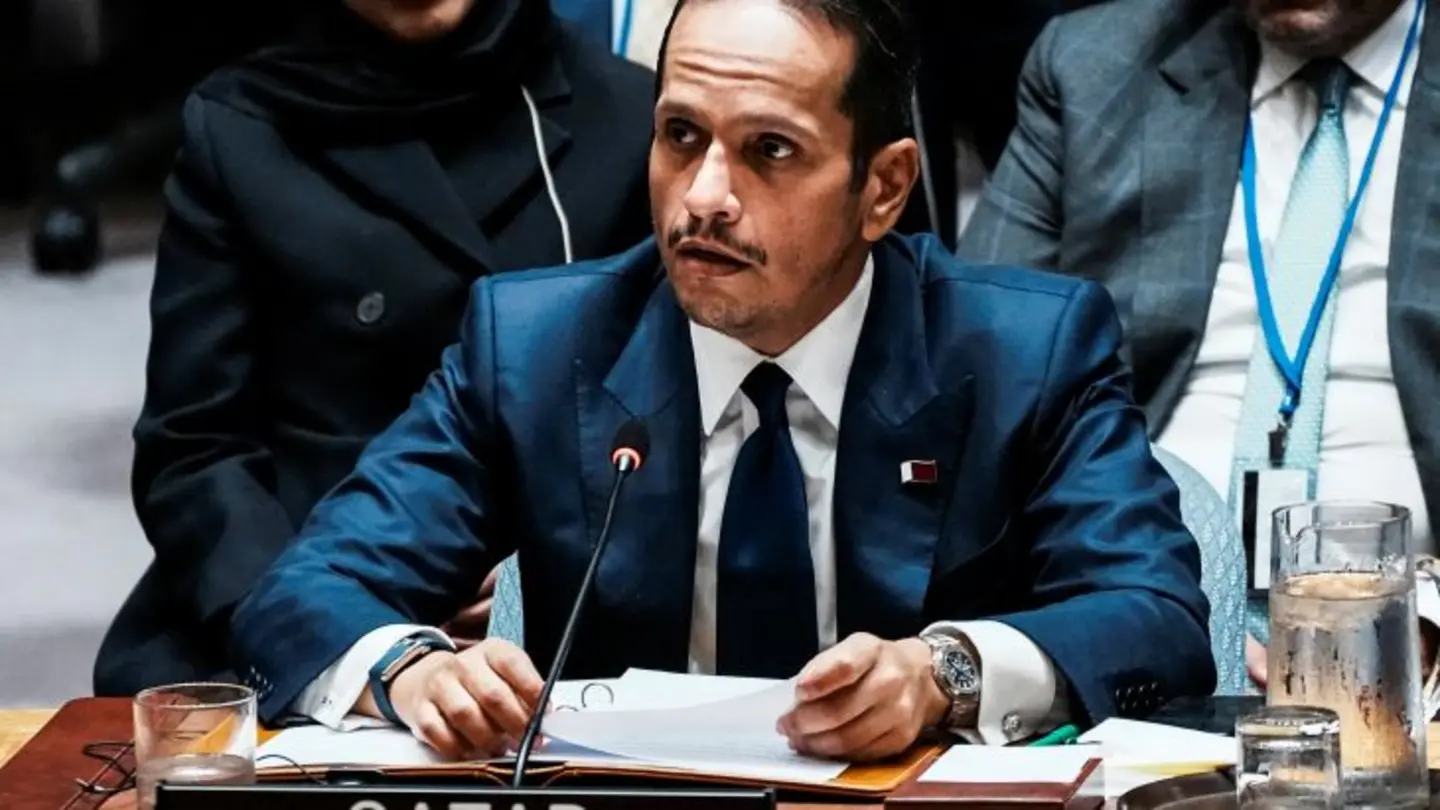
Qatar, for its part, has welcomed the Security Council’s statement as a step in the right direction. Qatari officials have reiterated their call for an immediate cessation of hostilities and a return to negotiations based on established international frameworks. They have also emphasized the importance of accountability for actions that violate international law and undermine regional security.
The Israeli government has yet to issue an official response to the Security Council’s statement. However, Israeli diplomats have reportedly expressed concerns about the resolution’s perceived bias and its potential impact on ongoing efforts to de-escalate tensions. The situation remains fluid, with diplomatic efforts continuing behind the scenes to find a pathway towards a sustainable resolution.
The United States, a permanent member of the Security Council, has played a key role in brokering the resolution. While the U.S. has traditionally been a strong ally of Israel, it has also voiced concerns about the impact of the conflict on regional stability and has called for restraint on all sides. The U.S. ambassador to the UN emphasized the importance of upholding international law and protecting civilian lives.
The condemnation by the UN Security Council reflects a broader global effort to address the ongoing conflict and promote a peaceful resolution. As the situation evolves, the international community remains focused on de-escalation, humanitarian assistance, and the pursuit of a lasting peace agreement that addresses the legitimate concerns and aspirations of all parties involved. The absence of explicitly naming Israel serves as a contentious point, showcasing the tightrope walk the UN must tread in addressing such sensitive geopolitical issues.
Image Source: Google | Image Credit: Respective Owner