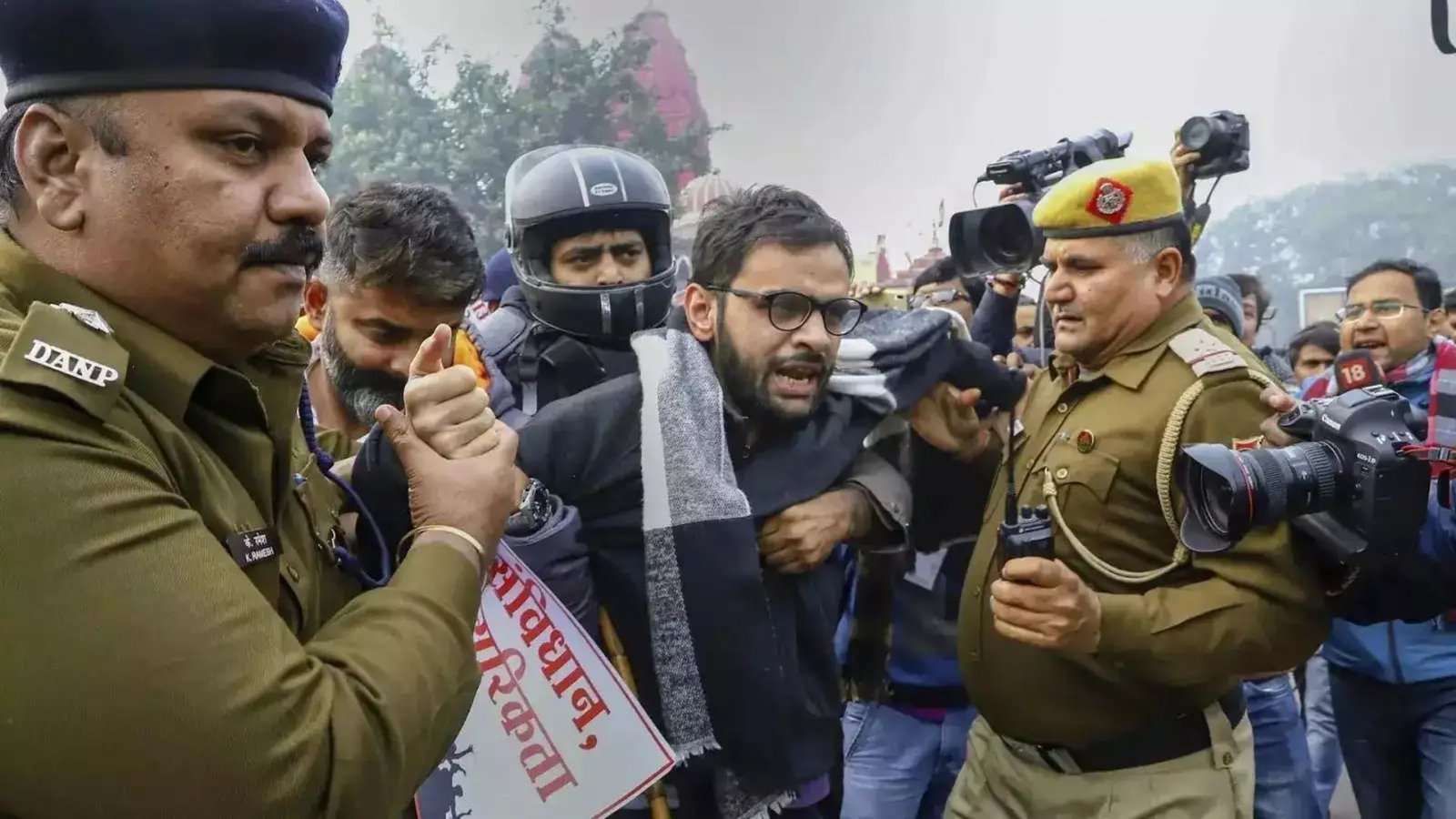
Umar Khalid and other accused individuals have told the Supreme Court that there is no evidence linking them to the 2020 Delhi riots. The individuals are challenging the charges filed against them under the Unlawful Activities (Prevention) Act (UAPA) and various sections of the Indian Penal Code.
Key Arguments Presented
Senior advocates representing the accused argued before a bench of Justices that the prosecution’s case is based on unsubstantiated claims and lacks concrete evidence. They emphasized that the statements made by the accused were taken out of context and misinterpreted to portray them as masterminds of the riots. The defense further contended that the prosecution has failed to establish a direct link between the accused and the actual violence that occurred during the riots.
The advocates highlighted inconsistencies in the prosecution’s narrative and questioned the credibility of the witnesses. They argued that the witnesses were coerced into making false statements against the accused. They presented video evidence and transcripts of speeches to demonstrate that the accused were advocating for peaceful protests and not inciting violence. According to the defense, the charges against the accused are politically motivated and aimed at suppressing dissent.
Prosecution’s Stand
The prosecution, represented by the Solicitor General, maintained that there is sufficient evidence to prove the accused’s involvement in the conspiracy to incite the Delhi riots. The prosecution relied on call data records, WhatsApp chats, and witness testimonies to establish the connection between the accused and the individuals who allegedly participated in the violence. They argued that the accused were part of a larger conspiracy to destabilize the government and create communal disharmony.
The prosecution asserted that the speeches made by the accused were inflammatory and intended to provoke violence. They pointed to specific phrases and statements made by the accused, which they claimed were designed to incite hatred and animosity between different communities. The prosecution argued that the accused cannot claim freedom of speech as a defense, as their actions had a direct and foreseeable consequence of causing violence and disruption.
Supreme Court’s Observations
The Supreme Court has been hearing the appeals against the High Court’s decision to deny bail to the accused. The court has raised concerns about the prolonged incarceration of the accused without a trial. The court has also questioned the prosecution about the specific evidence linking each of the accused to the actual acts of violence. The hearing is ongoing, and the court is expected to deliver its verdict in the coming weeks.
The case has garnered significant attention due to its political sensitivity and implications for freedom of speech and expression. The outcome of the case could have far-reaching consequences for the future of dissent and protest in India.
Image Source: Google | Image Credit: Respective Owner