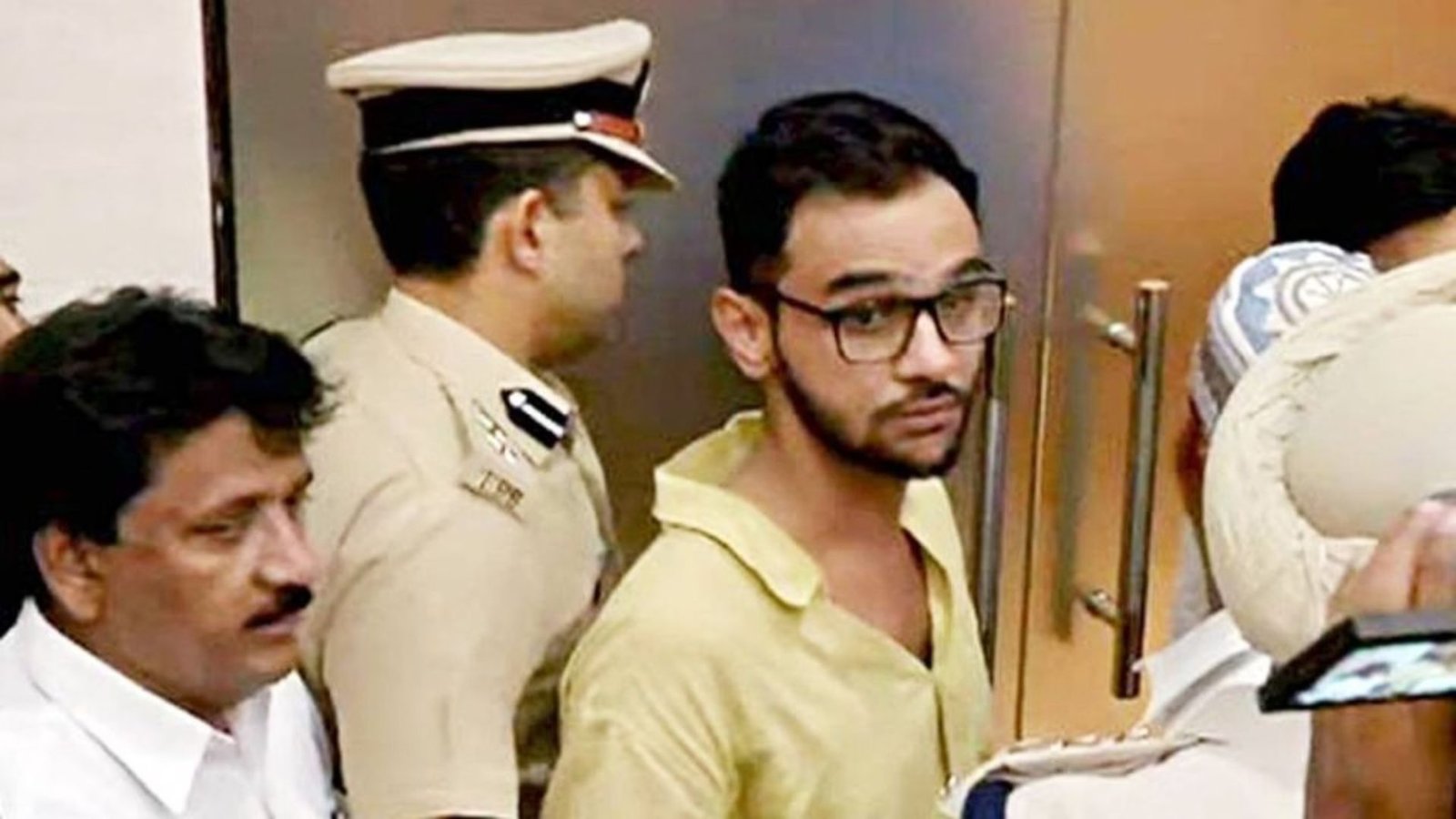
In a recent development, a Delhi court has granted interim bail to activist Umar Khalid, one of the key figures accused in the larger conspiracy allegedly behind the violent 2020 Delhi riots. The court’s order allows Khalid to temporarily step out of judicial custody to attend his sister’s wedding, a significant family occasion. This decision comes amid ongoing pretrial proceedings in a case that has sparked intense political and legal debates nationwide. The bail is strictly interim, meaning Khalid must return to custody following the wedding, with the larger conspiracy charges still pending full trial.
Khalid, a prominent youth leader and former Jawaharlal Nehru University student, was among several activists arrested in 2020 following widespread communal violence that rocked Northeast Delhi. The riots, marked by over 50 deaths and widespread destruction, were linked to protests against the Citizenship Amendment Act (CAA). Prosecutors have accused Khalid of criminal conspiracy, sedition, and inciting mobs through speeches and social media posts. They argue that his actions helped organize and inflame tensions, leading directly to the violence. Investigators claim evidence includes WhatsApp messages and video footage showing Khalid coordinating with other suspects.
Defending the bail grant, Khalid’s legal team emphasized that their client’s arrest and continued detention lack concrete evidence of direct involvement in rioting. Lawyers argued that while Khalid participated in CAA protests, charging him with conspiracy over speeches constitutes censorship of political dissent. They highlighted his clean prior record and the court’s obligation to respect personal liberties, noting that interim bail for family events is standard unless clear flight risks exist. The judge imposed conditions, including a personal bond of ₹15,000 and a surrender deadline post-wedding, to ensure his return for trial.
The case has become a flashpoint in India’s broader discourse on dissent and governance. Critics, including civil rights groups, claim the prosecutions target activists who oppose government policies, using anti-terror laws like the Unlawful Activities Prevention Act (UAPA) to silence opposition. They point to prolonged remands and bail denials as signs of systemic bias. Meanwhile, government allies defend the investigations, insisting law enforcement acts neutrally based on evidence. They contend that organizers of violence must face consequences irrespective of political views, stressing public safety over individual grievances.
As the trial continues, Khalid’s interim bail underscores the judiciary’s balancing act between humanitarian considerations and rigorous prosecution. Legal analysts suggest the outcome may set precedents for similar politically charged cases, particularly regarding bail rights for accused facing severe charges. The wedding attendance, while personal, occurs against a backdrop of nationwide scrutiny, with many viewing it as a test of judicial independence. With other defendants still in custody, observers await further courtroom developments that could shape India’s legal landscape for years to come.
Image Source: Google | Image Credit: Respective Owner