London and Berlin are reportedly engaged in discussions regarding a potential joint defense initiative for Greenland, spurred by recent revelations that former U.S. President Donald Trump explored the possibility of deploying U.S. special forces to plan an invasion of the island. The conversations, revealed in a new book, have raised concerns among European allies about the reliability of U.S. security commitments and prompted consideration of independent defense strategies.
According to reports, Trump repeatedly questioned the purpose of the U.S. maintaining a presence in Greenland, reportedly even offering to purchase the territory from Denmark, which has sovereignty over it. When that avenue was rejected, he allegedly asked advisors about the possibility of a military operation, specifically tasking special forces with invasion planning. These disclosures have ignited a debate about the potential for unpredictable foreign policy decisions and the need for European nations to bolster their own defense capabilities.
Strategic Importance of Greenland
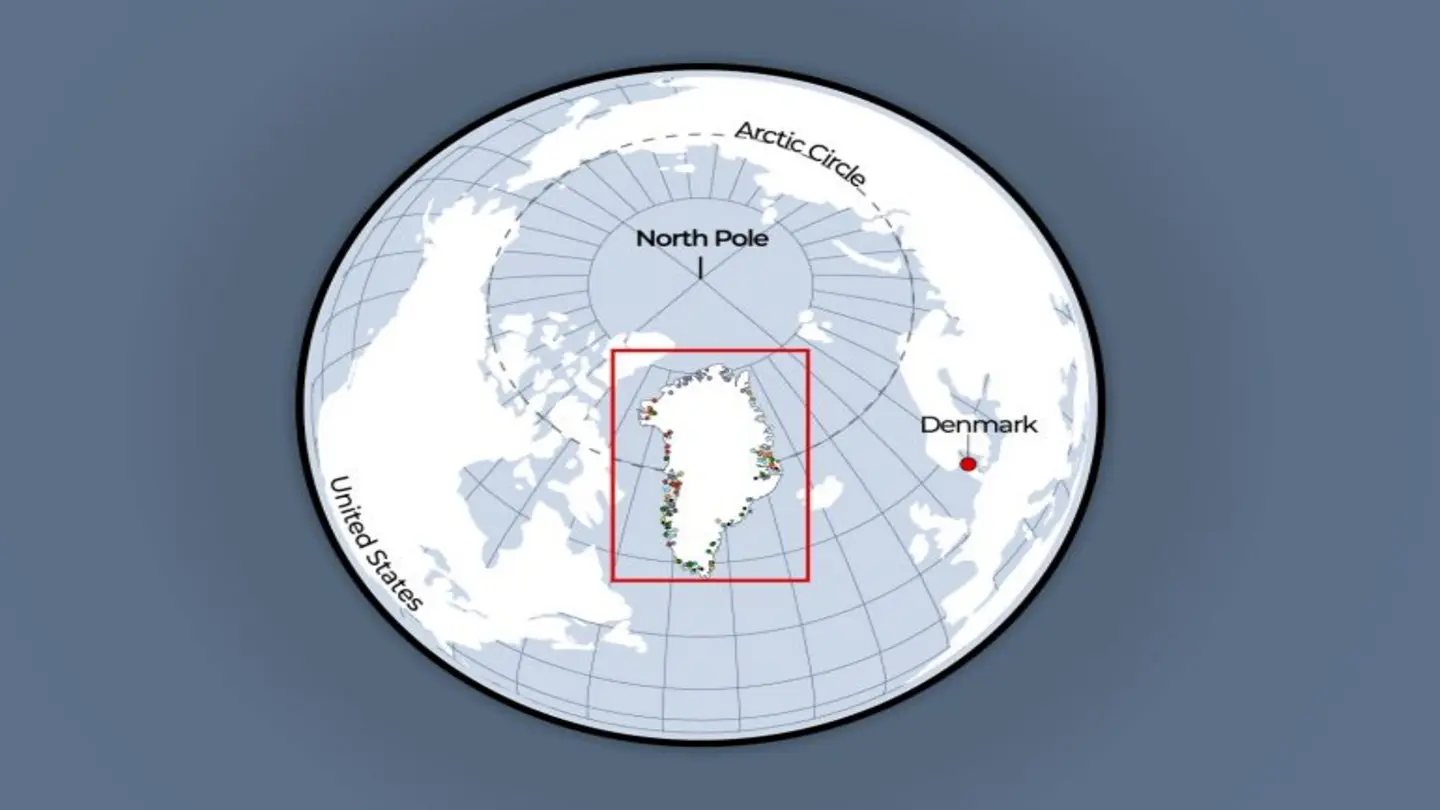
Greenland, despite its vast icy terrain, holds significant strategic importance due to its geographical location. It sits in the North Atlantic and Arctic regions, acting as a crucial point for potential military operations and surveillance. The island also possesses valuable mineral resources and is increasingly relevant as climate change opens up new shipping routes. The U.S. maintains a military base at Thule, Greenland, primarily dedicated to early warning radar facilities.
The talks between the UK and Germany center on exploring options to enhance Greenland’s defense, potentially through increased military cooperation, logistical support, and intelligence sharing. Sources have indicated that while the discussions are preliminary, they signify a serious assessment of the risks and vulnerabilities associated with relying solely on the U.S. for regional security. Both countries recognize the importance of a stable and secure Arctic region.
The prospect of a coordinated European response to Arctic security challenges is gaining traction as geopolitical tensions in the region escalate. Russia has increasingly been asserting its military presence in the Arctic, further highlighting the need for proactive measures to maintain regional stability. The indirect impetus from Trump’s actions has served as a catalyst for these discussions.
While the specifics of any planned defense initiative remain unclear, the UK and Germany are expected to consult with Denmark and Greenlandic authorities before moving forward with any concrete proposals. The goal, officials say, is not to antagonize the U.S. but to ensure that Greenland’s defense is not left vulnerable to sudden shifts in American foreign policy. There’s an understanding that fostering closer European security ties complements, rather than replaces, existing transatlantic alliances.
The situation underscores a broader trend of European countries seeking greater strategic autonomy in the wake of perceived uncertainties surrounding U.S. leadership. This comes amid concerns that a future American administration might adopt a more isolationist stance, leaving European allies to fend for themselves. The Greenland discussions act as a case study in exploring alternative security arrangements and strengthening intra-European cooperation.
Image Source: Google | Image Credit: Respective Owner