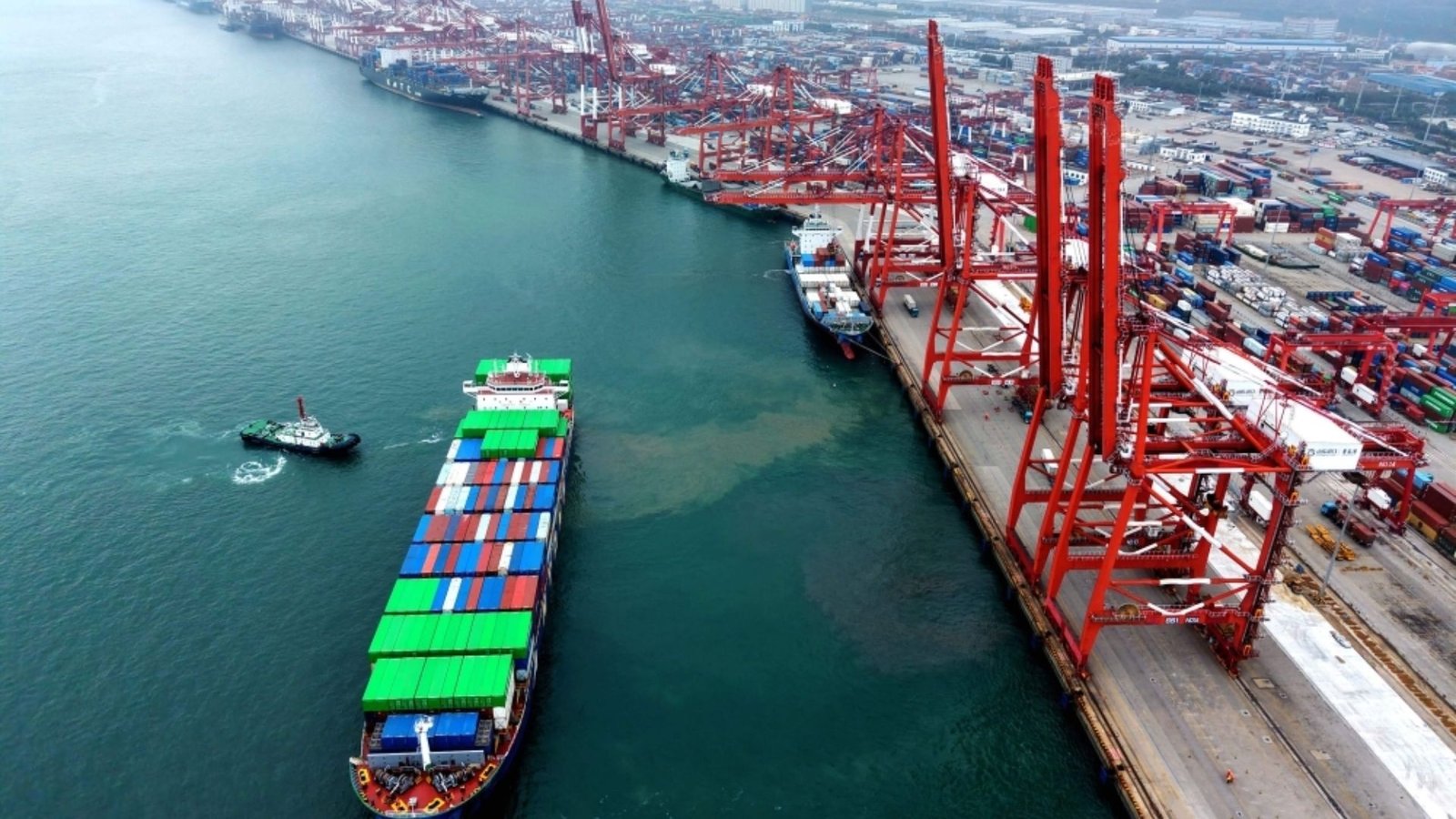
The United States and China are set to implement reciprocal port fee increases, a move that threatens to further disrupt maritime trade and exacerbate existing tensions between the two economic powerhouses. These tit-for-tat measures are raising concerns about the potential for a broader trade war and the impact on global supply chains already strained by geopolitical uncertainties.
The planned fee increases are seen as a direct response to perceived unfair practices and trade imbalances. While details remain scarce, industry analysts suggest the fees could target specific types of cargo or vessels, potentially impacting the cost of goods traded between the two nations. The move follows a period of escalating trade friction, with both countries imposing tariffs and restrictions on various products.
Impact on Shipping Industry
The shipping industry, already grappling with rising fuel costs and port congestion, is bracing for further challenges. Higher port fees could lead to increased shipping rates, which would ultimately be passed on to consumers. The uncertainty surrounding the implementation of these fees is also causing anxiety among shipping companies and importers.
“This is a concerning development that could have significant repercussions for global trade,” said a spokesperson for a major shipping association. “We urge both sides to engage in constructive dialogue to resolve their differences and avoid further escalation.” The tit-for-tat nature of the fee hikes suggests a hardening of positions and a willingness to use economic leverage to achieve strategic goals.
The dispute also highlights the complex interplay between trade, geopolitics, and maritime security. Control of key shipping lanes and access to ports are becoming increasingly important as nations vie for economic and strategic dominance. The South China Sea, in particular, has emerged as a focal point of contention, with overlapping territorial claims and concerns about freedom of navigation.
Experts warn that the escalating trade tensions could undermine international cooperation and create a more fragmented global trading system. The World Trade Organization (WTO), already facing challenges, could be further weakened if countries resort to unilateral measures and protectionist policies. A prolonged trade war between the U.S. and China could also have a chilling effect on investment and economic growth.
The situation remains fluid, and it is unclear whether the two sides will be able to reach a negotiated settlement. However, the latest developments underscore the need for a more stable and predictable framework for international trade and maritime governance. Finding common ground and addressing underlying grievances will be crucial to preventing further disruptions and ensuring a more prosperous future for all.
Image Source: Google | Image Credit: Respective Owner