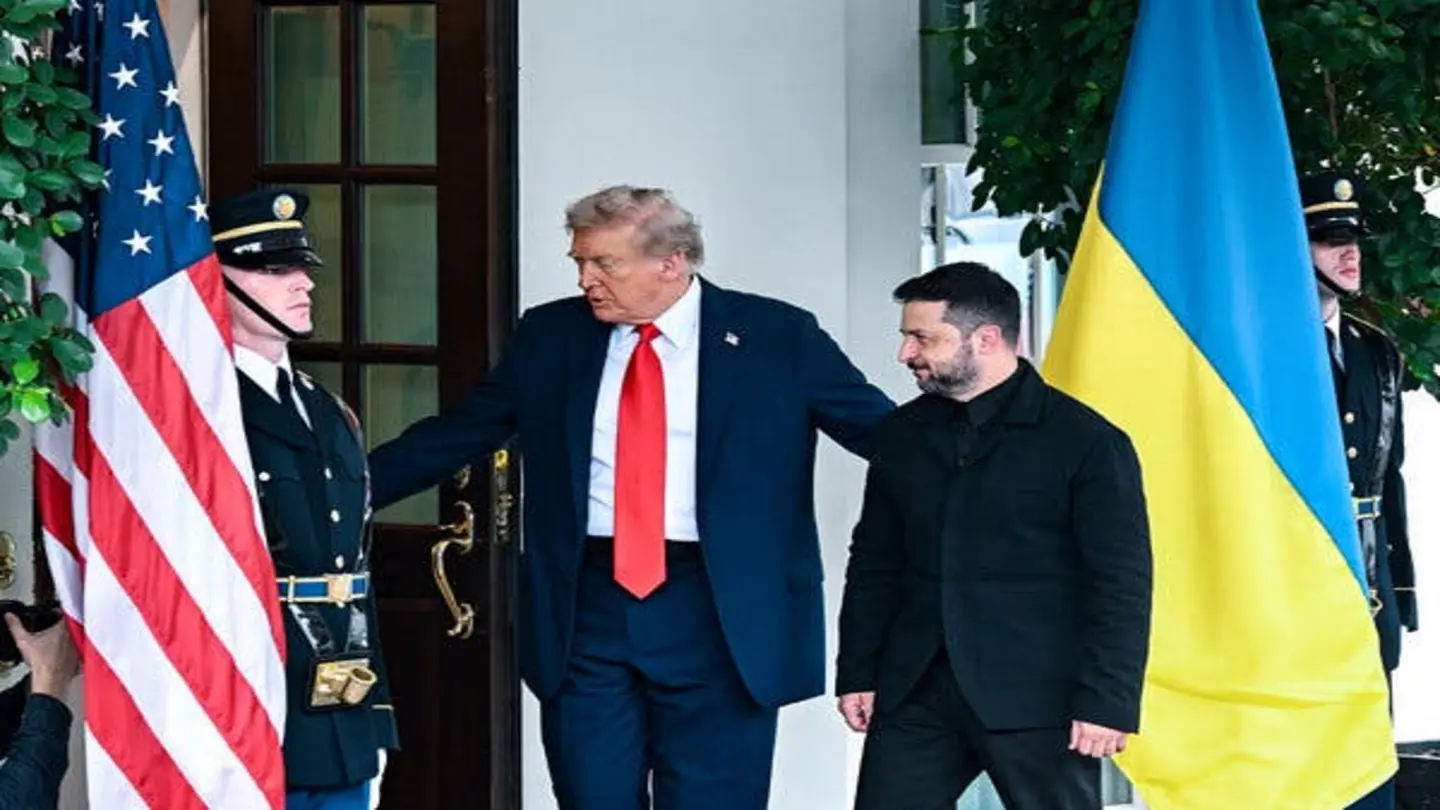
Donald Trump’s potential peace plan for Russia and Ukraine is generating significant discussion, particularly its reported emphasis on territorial concessions and limitations on weapons supply. The proposal, as outlined in the Times of India, reportedly involves pressuring Ukraine to cede territory to Russia, potentially including regions like Crimea and the Donbas, in exchange for a ceasefire. This approach diverges sharply from the current Western strategy of supporting Ukraine in reclaiming all of its territory occupied by Russia.
Key Components of the Alleged Plan
The core tenets of Trump’s reported plan revolve around two key aspects. First, it appears to hinge on Ukraine relinquishing claims to territory currently under Russian control. The specific areas under discussion are not definitively stated but are likely to include Crimea, annexed by Russia in 2014, and the Donbas region, where Russian-backed separatists have been fighting since 2014. Secondly, the plan may involve restrictions on the type and quantity of weapons that the United States and its allies provide to Ukraine. This element aims to reduce the intensity of the conflict and potentially create conditions conducive to negotiation.
Sources familiar with the discussions suggest that Trump believes that by offering Russia territorial gains, a lasting ceasefire can be achieved. This approach reflects Trump’s broader foreign policy philosophy, which prioritizes deal-making and emphasizes the importance of avoiding prolonged military engagements. However, critics argue that such a plan would legitimize Russia’s aggression, set a dangerous precedent for international relations, and potentially embolden other authoritarian regimes to pursue territorial expansion by force.
Implications and Criticisms
The proposed peace plan has drawn criticism from various quarters. Some argue that it rewards Russian aggression and undermines the principle of territorial integrity, a cornerstone of international law. Others express concern that it would leave Ukraine vulnerable to future Russian attacks, as Russia would retain a strategic foothold in the country. Furthermore, it could alienate key US allies who have steadfastly supported Ukraine’s right to defend its sovereignty. European leaders have consistently emphasized the need for a comprehensive, just, and lasting peace that respects Ukraine’s territorial integrity and sovereignty.
Potential Impact on the Conflict
The potential implementation of Trump’s peace plan could dramatically alter the course of the Russia-Ukraine conflict. If Ukraine were to agree to cede territory, it could lead to a cessation of hostilities. However, it could also trigger widespread unrest within Ukraine and create a deep sense of betrayal among the Ukrainian population. Moreover, it could embolden Russia to make further territorial demands in the future. Conversely, if Ukraine rejects the plan, it could strain relations with the United States, potentially leading to a reduction in military and financial aid.
The situation remains highly fluid, and the specifics of any potential peace plan are subject to change. However, the emerging contours of Trump’s approach suggest a significant departure from current Western policy and a willingness to explore unconventional solutions to the conflict. The long-term consequences of such a plan remain uncertain, but they are likely to be far-reaching and to reshape the geopolitical landscape of Europe.
Image Source: Google | Image Credit: Respective Owner