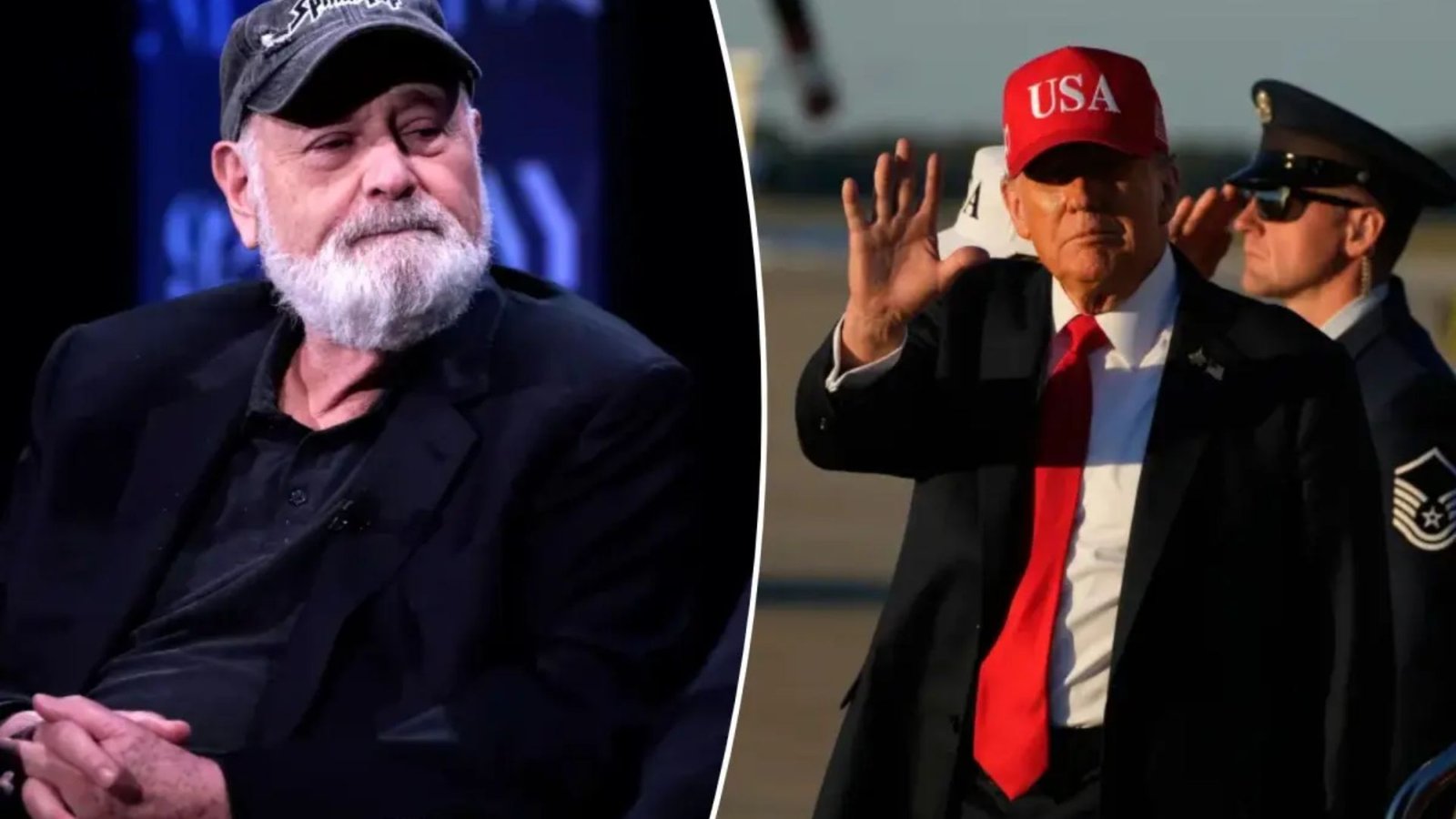
President Donald Trump is facing a fresh wave of criticism after he doubled down on a social media post about the killing of filmmaker Rob Reiner, a longtime political critic of his. The reaction has stood out not just for its tone, but because it landed at a moment when Trump is already dealing with visible political strain inside his own party.
Reiner and his wife, Michele Singer Reiner, were found dead at their home in Brentwood, Los Angeles, in a case police are still investigating. Their son, Nick Reiner, has been arrested on suspicion of murdering them, according to multiple reports. Reuters+1
Instead of offering condolences, Trump posted on Truth Social in a way that critics described as cruel and self-centred — suggesting Reiner’s death was tied to the anger and obsession he associated with “Trump Derangement Syndrome.” Trump later declined to walk back the sentiment. People.com+1
Why this time feels different
Trump has built a career on provoking outrage and then using the backlash as fuel — a tactic that typically keeps his base energized while dominating headlines. That pattern hasn’t changed. What’s different is the political backdrop.
In recent weeks, Trump has faced unusually public turbulence, including frustration among some Republicans and renewed arguments inside the party over how far they should go in defending him. In that context, the Reiner episode is being treated by critics as another example of Trump turning a national tragedy into a personal feud — even when the target is dead.
Rare Republican pushback
One reason the controversy has gained extra traction is that some Republicans — not just Democrats — have openly criticised the president’s tone.
Kentucky Rep. Thomas Massie, who has increasingly positioned himself as a Trump skeptic, called the comments inappropriate and challenged fellow Republicans to defend them. Hindustan Times+1
Other GOP figures responded more cautiously, with some urging restraint or avoiding direct condemnation. The split reflects a familiar dynamic: a handful of Republicans willing to criticise Trump publicly, many more choosing to stay quiet, and party leadership often trying not to get pulled into the fight. ABC News
The broader concern: what this signals about Trump’s conduct
The argument made by commentators is less about whether Trump’s post will hurt him electorally — history suggests scandals that would sink other politicians rarely stick to him — and more about what it says about the tone coming from the top.
In moments of national shock, presidents are typically expected to show restraint and empathy. Trump’s response did the opposite, escalating political hostility at a time when public anxiety is already high. Critics warn that this kind of rhetoric doesn’t just offend; it corrodes basic expectations of leadership and makes politics feel even more vicious and personal.
America has seen this movie before
This isn’t the first time Trump has survived a moment that seemed disqualifying by traditional standards. A decade ago, he drew widespread condemnation after disparaging Sen. John McCain’s military service with the line that he preferred people who “weren’t captured.” That episode didn’t end his rise; it became a marker of how much the rules of political accountability had changed.
The Reiner controversy follows a similar script: a shocking statement, intense backlash, and a calculation inside the GOP about whether it’s safer to criticise Trump — or safer to say nothing.
What happens next
The political impact may be limited in the short term. But the episode adds to a growing question hovering over Trump’s second term: whether the country — and his party — will keep absorbing moments like this as normal, or whether fatigue finally starts to show, especially as the next election cycle approaches.