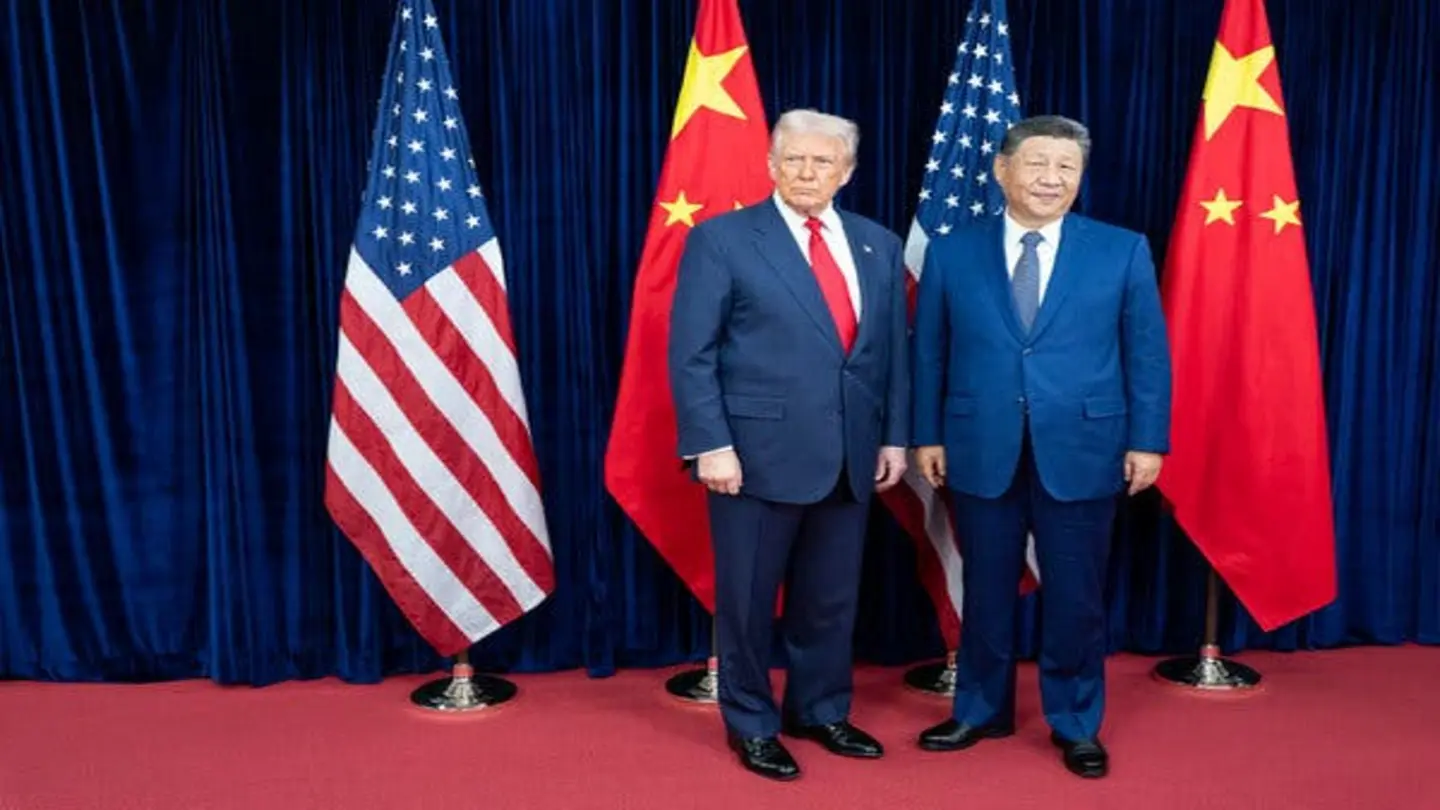
Former President Donald Trump’s recent pledge to impose a 25% tariff on all goods imported from China if re-elected is causing ripples across the globe, particularly in Beijing. The move, framed as a response to China’s support for Iran, has been met with concern from Chinese officials and analysts, raising questions about the stability of the fragile US-China trade relationship.
Trump’s statement directly links China’s economic assistance to Iran with the potential for significant trade barriers. He alleges that China is bolstering Iran’s economy, enabling its aggressive foreign policy and support for terrorist activities. This connection is a key element of his renewed hardline stance on China, a theme consistently present throughout his political career.
The proposed tariffs would represent a substantial escalation from the trade war initiated during Trump’s first term. While a “Phase One” trade deal was signed in 2020, many of the underlying issues remained unresolved, and tariffs on hundreds of billions of dollars worth of goods remained in place. A 25% across-the-board tariff would far exceed the previous measures, potentially triggering retaliatory tariffs from China and disrupting global supply chains.
Impact on US-China Relations
The timing of Trump’s threat is particularly sensitive. Recent months have seen cautious attempts at dialogue between Washington and Beijing, with high-level officials meeting to discuss areas of concern. The possibility of a return to full-scale trade conflict casts a long shadow over these efforts and could derail any progress made towards a more stable relationship.
Chinese state media has responded with criticism, accusing Trump of using “coercive tactics” and “economic blackmail.” Analysts in China suggest that the threat is intended to pressure Beijing on multiple fronts, including its stance on Russia, Taiwan, and trade imbalances. Some believe the tariff talk is primarily a domestic political maneuver aimed at appealing to Trump’s base.
The implications extend beyond bilateral trade. A significant disruption to US-China trade could have a cascading effect on the global economy, impacting businesses and consumers worldwide. Increased costs for goods, supply chain bottlenecks, and heightened geopolitical tensions are all potential consequences.
Furthermore, the connection between Iran and the tariffs is unconventional. While the US has long sought to limit Iran’s economic capabilities, using China’s relationship with Iran as a justification for broad trade measures is a novel approach. This raises questions about the legality and enforceability of such tariffs under World Trade Organization (WTO) rules.
The Biden administration has maintained some of the tariffs imposed by Trump, but has also engaged in discussions with China about potential reductions. Trump’s latest threat throws this strategy into uncertainty, potentially forcing Biden to respond in kind to maintain political credibility. The situation remains fluid, and the future of US-China trade hangs in the balance as the US presidential election approaches. The global economic community is watching closely, bracing for potential turbulence.
Image Source: Google | Image Credit: Respective Owner