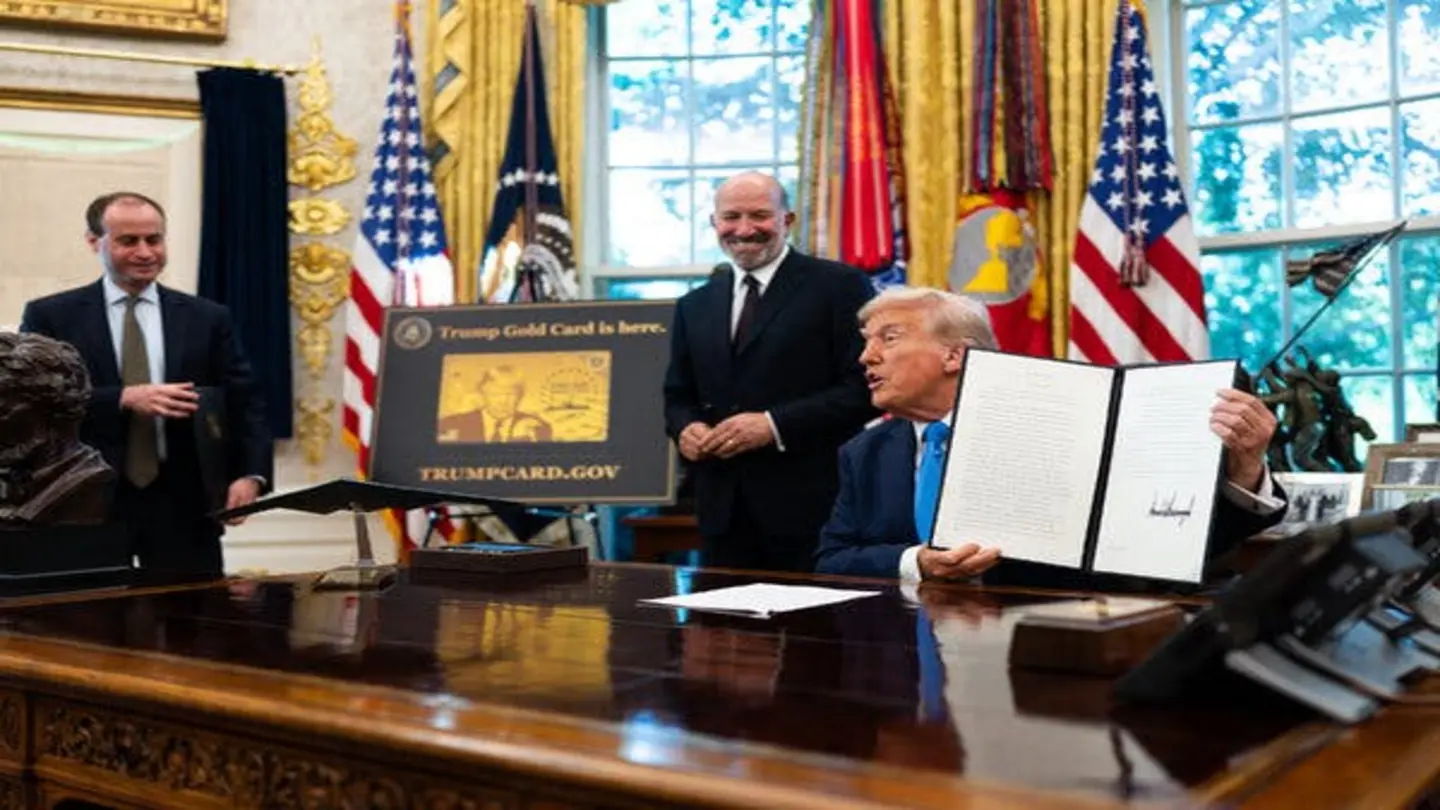
Former President Donald Trump’s proposal to impose a hefty $100,000 fee on companies employing H-1B visa workers has triggered a rare wave of criticism from US businesses. The H-1B visa program, which allows US companies to employ foreign workers in specialized occupations that require theoretical or technical expertise, is a crucial pathway for skilled talent, particularly in the technology sector. Trump’s proposal, aimed at generating revenue and potentially discouraging the employment of foreign workers, has been met with concerns about its potential impact on innovation and economic growth.
Business Concerns
Business groups argue that the proposed fee would significantly increase the cost of hiring skilled foreign workers, making it more difficult for US companies to compete in the global market. They contend that H-1B workers often fill critical skill gaps that cannot be met by the domestic workforce, and restricting access to this talent pool would harm US competitiveness.
The US Chamber of Commerce, a leading business advocacy organization, has expressed strong opposition to the proposed fee, stating that it would “punish” companies for hiring skilled foreign workers and would ultimately harm the US economy. The Chamber argues that H-1B workers contribute significantly to innovation and job creation in the US.
Other business groups, including the National Association of Manufacturers and the Business Roundtable, have also voiced concerns about the proposal, highlighting its potential to disrupt supply chains and hinder economic growth. They argue that a more constructive approach would be to invest in education and training programs to develop the domestic workforce, rather than imposing restrictions on the H-1B visa program.
Economic Impact
Economists warn that the proposed fee could have a significant negative impact on the US economy. By increasing the cost of hiring skilled foreign workers, it could lead to a decrease in innovation, productivity, and job creation. Some companies may choose to move their operations to other countries where they can access skilled talent at a lower cost, further harming the US economy.
Future Implications
The debate over Trump’s H-1B fee proposal highlights the ongoing tension between the desire to protect American jobs and the need to attract and retain skilled foreign workers. As the US economy becomes increasingly reliant on technology and innovation, finding a balance between these competing interests will be crucial for ensuring long-term economic growth and competitiveness. The ultimate outcome of this proposal remains uncertain, but it underscores the importance of the H-1B visa program and its role in the US economy.
Image Source: Google | Image Credit: Respective Owner