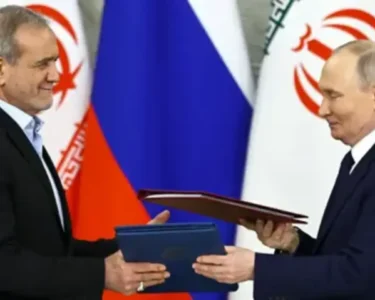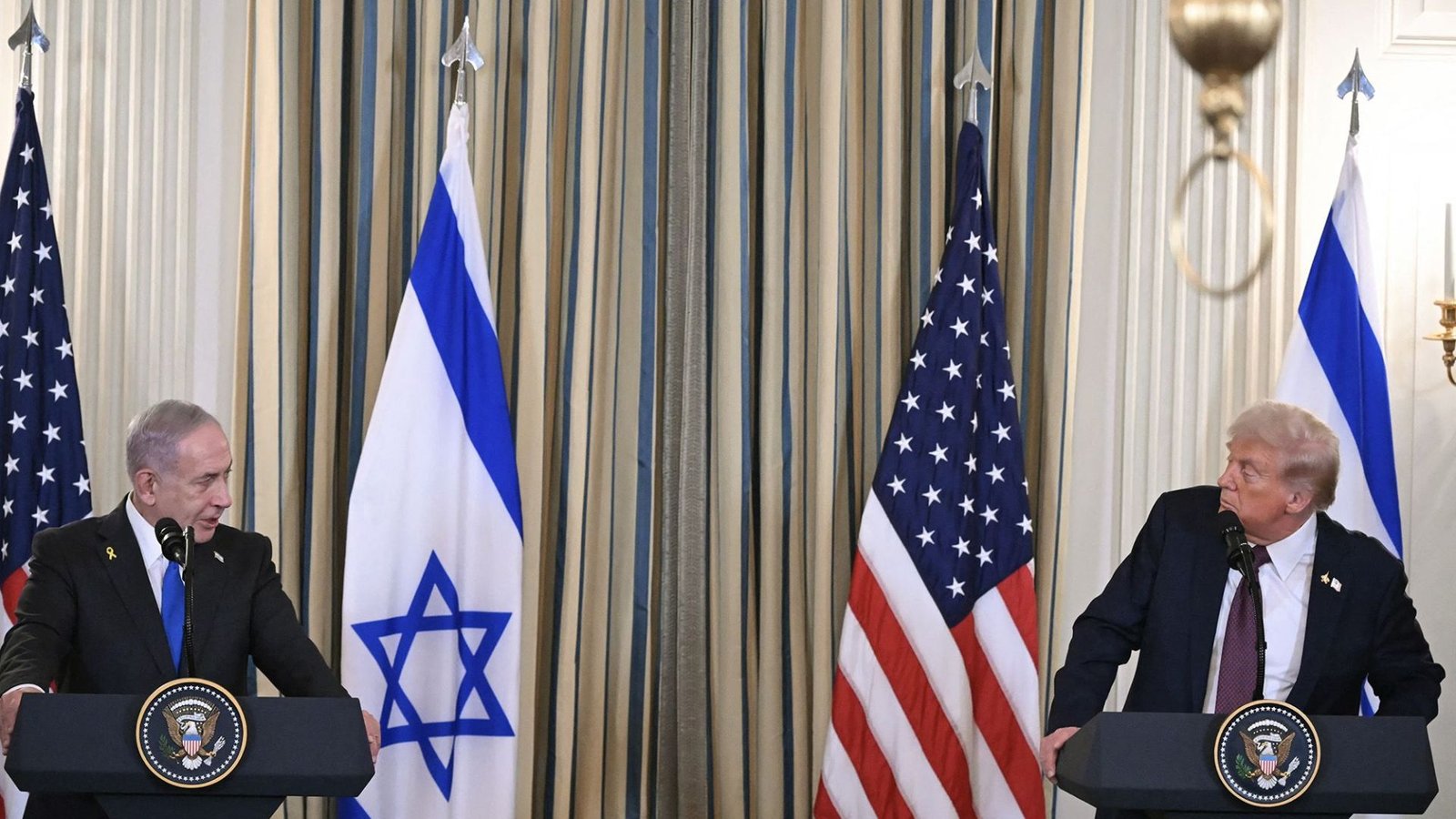
Donald Trump’s proposed 20-point ceasefire plan has sparked considerable debate and scrutiny, particularly concerning the potential obstacles to its implementation. CNN’s analysis delves into the core issues that could hinder the plan’s success, focusing on areas where consensus remains elusive. The plan, while presented as a comprehensive solution, faces significant hurdles rooted in geopolitical realities and conflicting interests.
Territorial Disputes
One of the primary sticking points revolves around territorial disputes. Many regions involved in ongoing conflicts have long-standing disagreements over borders and control of specific areas. Trump’s plan may propose resolutions to these disputes, but achieving agreement among all parties involved is a formidable challenge. Historical claims, ethnic demographics, and strategic importance all contribute to the complexity of these issues, making compromise difficult to achieve.
Security Guarantees
Another critical aspect is the provision of security guarantees. For any ceasefire to hold, all parties must feel secure in their respective positions. This often requires robust peacekeeping forces or credible commitments from international actors. However, agreeing on the composition, mandate, and duration of such security arrangements can be highly contentious. Trust deficits between conflicting parties further complicate matters, as each side may be skeptical of the other’s intentions and the effectiveness of any security measures.
Power Sharing
The question of power sharing also presents a major challenge. In many conflict zones, the distribution of political and economic power is a key source of tension. Trump’s plan may propose specific power-sharing arrangements, but these are unlikely to satisfy all parties. Issues such as representation in government, control over resources, and the protection of minority rights are often deeply divisive and resistant to easy solutions. Furthermore, external actors may have their own preferences regarding the distribution of power, adding another layer of complexity.
Economic Considerations
Economic factors are also crucial to the success of any ceasefire. Conflict often disrupts economic activity and creates widespread poverty, which can fuel further instability. Trump’s plan may include provisions for economic assistance and reconstruction, but these are unlikely to be sufficient to address the underlying economic grievances. Issues such as access to markets, control over natural resources, and the equitable distribution of wealth must be addressed to create a sustainable peace. Without economic opportunities, disillusioned populations may be tempted to return to violence.
External Interference
Finally, external interference remains a significant obstacle. Many conflicts are fueled by the involvement of outside actors who have their own strategic interests. These actors may provide support to one side or the other, undermining efforts to reach a peaceful settlement. Trump’s plan must address the issue of external interference by ensuring that all parties agree to respect the sovereignty and territorial integrity of the countries involved. This requires a concerted diplomatic effort to persuade external actors to refrain from meddling in the internal affairs of conflict zones.
CNN’s analysis concludes that overcoming these sticking points will require sustained diplomatic engagement, a willingness to compromise, and a commitment to addressing the underlying causes of conflict. Without these, Trump’s ceasefire plan risks becoming another well-intentioned but ultimately unsuccessful attempt to bring peace to troubled regions.
Image Source: Google | Image Credit: Respective Owner