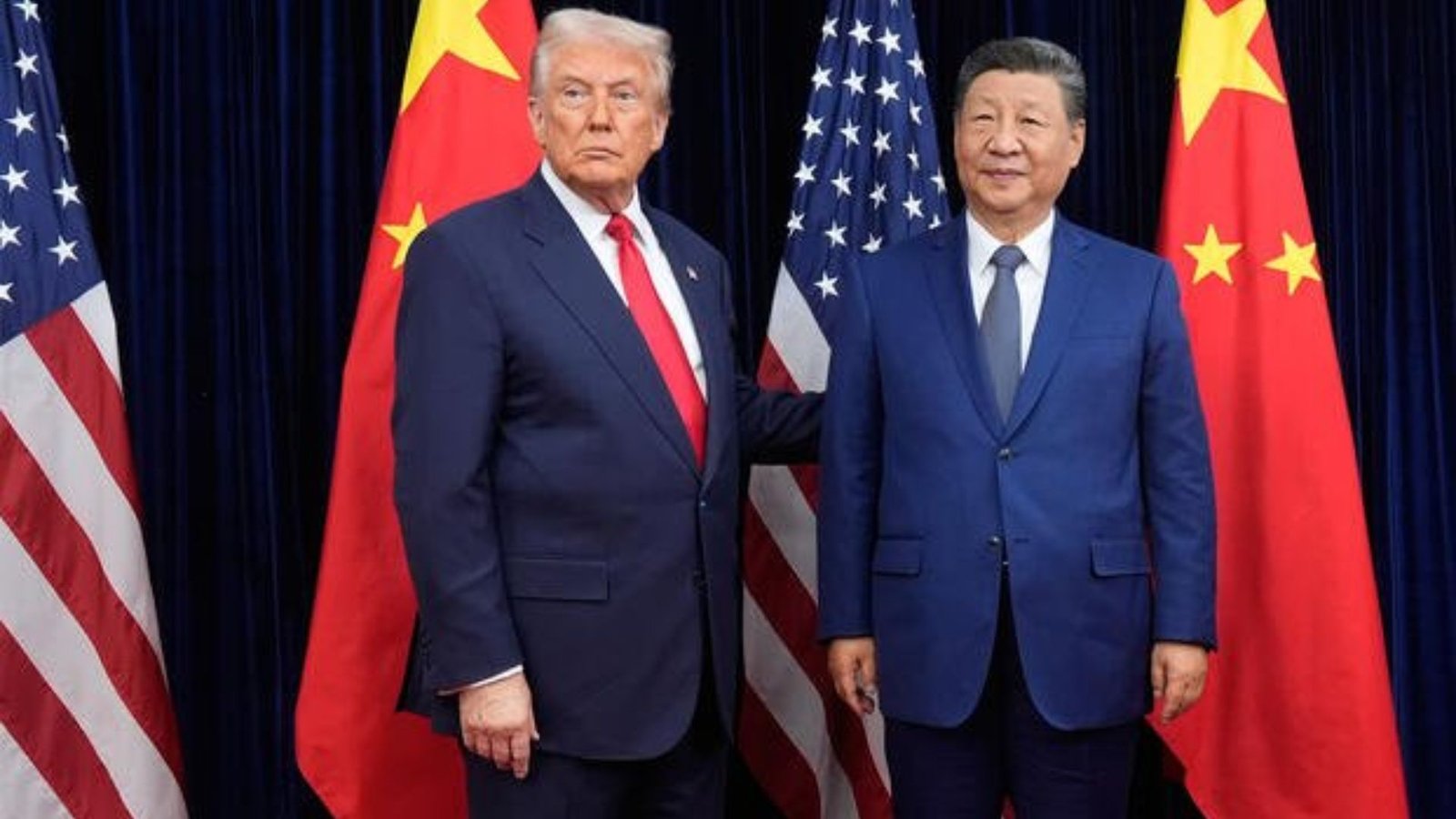
U.S. President Donald Trump and Chinese President Xi Jinping held a pivotal phone conversation addressing escalating tensions over Iran as Washington intensifies efforts to isolate Tehran globally. The high-stakes dialogue comes amid Trump administration demands for Beijing to reduce economic cooperation with Iran following U.S. withdrawal from the 2015 nuclear accord.
White House officials confirmed the leaders discussed “the need for continued coordination on Iran and other regional issues” during the comprehensive call. This diplomatic engagement follows Secretary of State Mike Pompeo’s recent assertions that China must choose between economic relations with Iran or access to U.S. markets.
Nuclear Deal Complications
Analysts suggest the Trump-Xi exchange highlights Washington’s strategy to pressure China into compliance with renewed sanctions against Iranian oil exports. China remains Iran’s largest crude importer, purchasing approximately 650,000 barrels per day before U.S. sanctions temporarily disrupted flows. Recent reports indicate Chinese state refiners may have resumed imports despite American sanctions.
The discussion occurred against heightened Middle East tensions following attacks on oil infrastructure and tankers that Washington attributes to Iran. Trump administration officials have repeatedly urged Beijing to join international efforts to curb Tehran’s regional influence and nuclear ambitions.
Economic Implications
Chinese foreign ministry statements emphasized Beijing’s commitment to “protecting the legitimate rights and interests of Chinese enterprises” while maintaining Iran nuclear deal frameworks. China continues participating in INSTEX, the European special-purpose vehicle designed to circumvent U.S. sanctions for humanitarian trade with Iran.
Economic analysts warn that forced decoupling from Iran could significantly impact China’s Belt and Road Initiative investments in Iranian infrastructure projects valued at $30 billion. Simultaneously, Chinese technology giants face potential secondary sanctions through the Huawei controversy, complicating bilateral negotiations.
The leaders reportedly touched on other contentious issues including trade negotiations, Hong Kong protests, and North Korea denuclearization. However, diplomats confirm Iran dominated the conversation, with Trump pressing Xi to demonstrate concrete cooperation in isolating Tehran’s regime.
Regional Security Dimensions
Pentagon officials view Chinese compliance with Iran sanctions as critical to regional security calculations, particularly regarding Strait of Hormuz navigation freedom. China’s Navy recently participated in its first joint maritime exercises with Iran and Russia, signaling deepening military coordination condemned by U.S. defense officials.
Middle East experts note Beijing faces strategic dilemmas balancing energy security interests against potential U.S. retaliation via tariffs or financial restrictions. The Trump administration continues leveraging economic pressure to compel international alignment with its “maximum pressure” campaign against Tehran.
As diplomatic channels remain active, global markets closely monitor potential shifts in Chinese-Iranian trade patterns that could affect oil prices and shipping routes. Both nations maintain formal opposition to unilateral U.S. sanctions while navigating increasingly complex geopolitical terrain.
Image Source: Google | Image Credit: Respective Owner