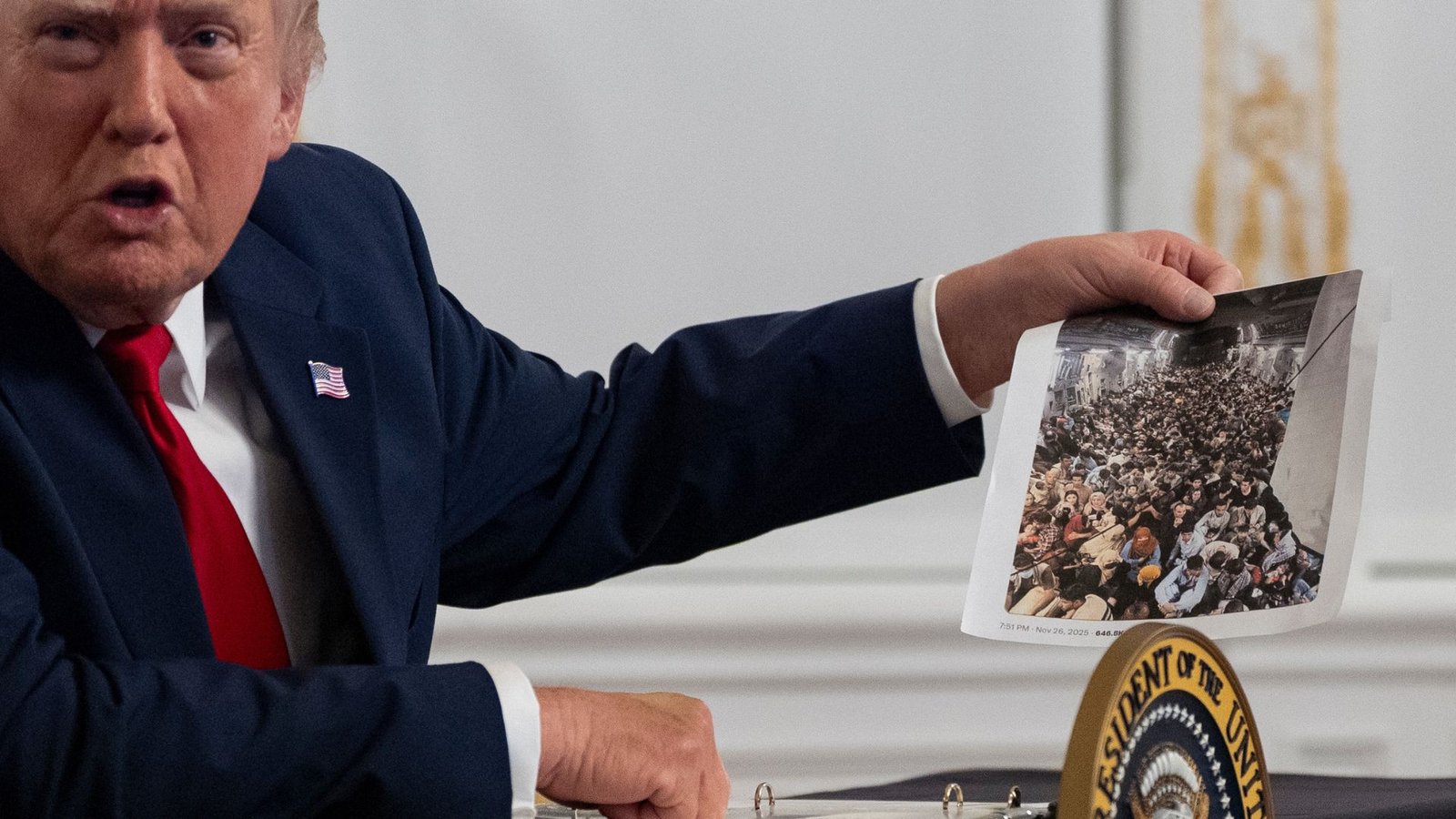
Former U.S. President Donald Trump has pledged to implement a “permanent pause on migration from all Third World countries” if re-elected. This announcement comes in the wake of a recent National Guard shooting incident, although details regarding the location and circumstances of the shooting remain scarce. Trump’s proposed policy has sparked widespread condemnation from human rights organizations and political opponents, who decry it as discriminatory and xenophobic. Critics argue that such a sweeping ban would violate international human rights laws and undermine America’s historical role as a refuge for those fleeing persecution and conflict.
The term “Third World,” although outdated, is often used to describe developing nations, primarily in Africa, Asia, and Latin America. Trump’s use of this term has been criticized for its perceived condescending and generalizing nature, as it fails to acknowledge the diversity and complexity of these countries.
Political Fallout
Trump’s remarks are likely to further polarize the political landscape, galvanizing his supporters while alienating moderate voters and minority groups. The announcement could also impact ongoing debates about immigration reform, border security, and asylum policies. Democratic leaders have already vowed to fight any attempt to implement such a ban, arguing that it would harm the U.S. economy and diminish the country’s standing on the world stage.
The proposal has triggered immediate debate among legal scholars about its constitutionality. Some argue that a blanket ban based on national origin would violate the Equal Protection Clause of the Fourteenth Amendment. Others contend that the President has broad authority over immigration matters, particularly concerning national security.
The potential economic consequences of restricting immigration from developing countries are significant. Many sectors of the U.S. economy, including agriculture, construction, and healthcare, rely heavily on immigrant labor. A sharp reduction in the number of available workers could lead to labor shortages, increased costs, and slower economic growth.
International Reaction
Trump’s proposal has drawn strong reactions from governments and international organizations worldwide. Some leaders have expressed concern about the potential impact on their own countries, particularly those that rely on remittances from their citizens working in the United States. The United Nations has urged the U.S. to uphold its obligations under international law and to ensure that its immigration policies are non-discriminatory.
The relationship between immigration and national security is a complex and sensitive issue. Proponents of stricter immigration controls argue that they are necessary to protect the country from terrorism and crime. Opponents counter that such measures can lead to the profiling and discrimination of innocent people, undermining civil liberties and creating a climate of fear and distrust.
The full ramifications of Trump’s proposed policy remain to be seen, but it is clear that it would have far-reaching consequences for the United States and the world.
Image Source: Google | Image Credit: Respective Owner