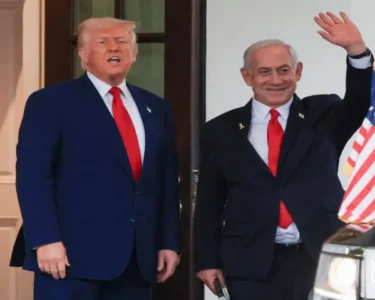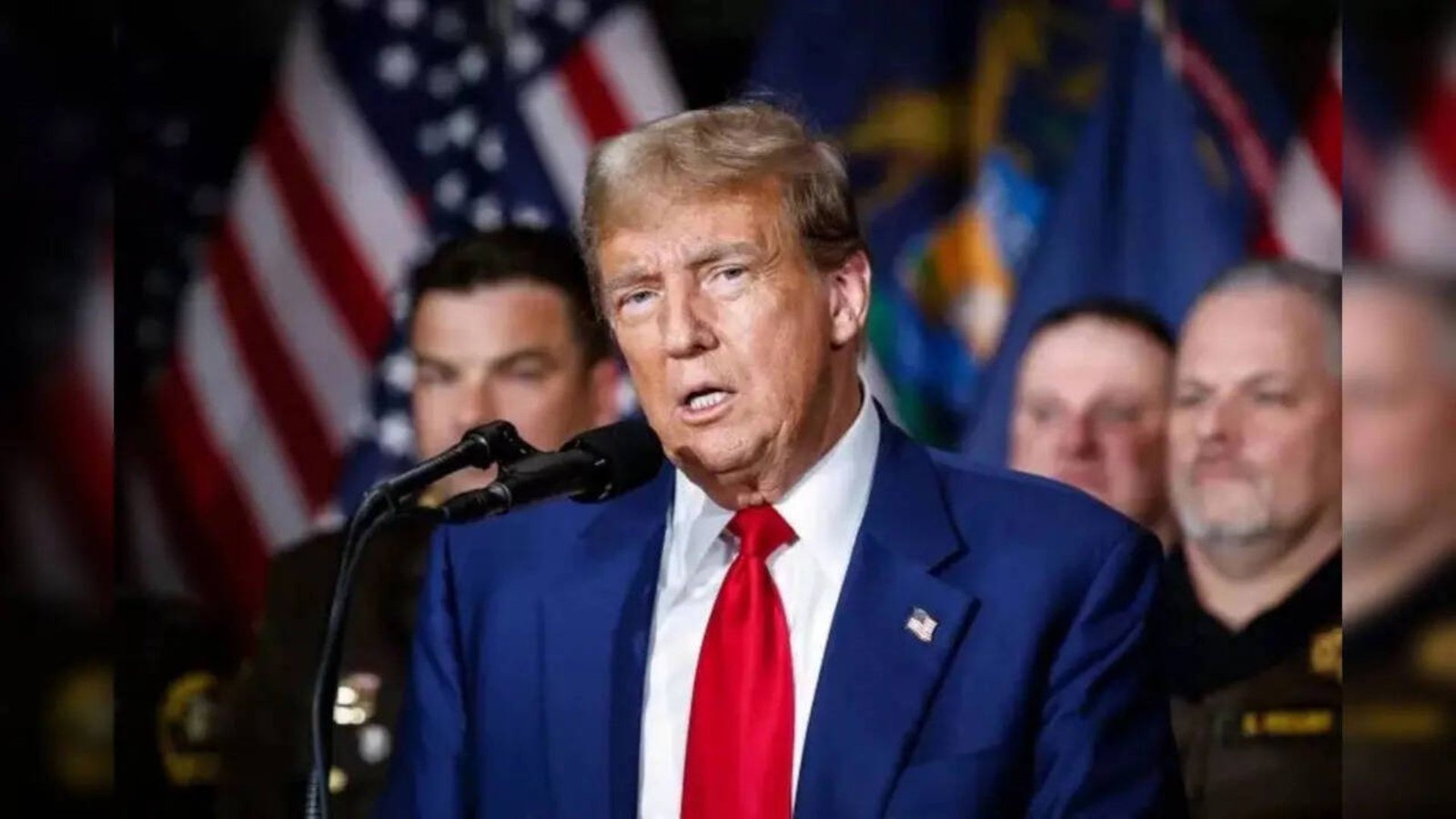
The recent announcement by U.S. President Donald Trump regarding a “Board of Peace” has sparked global attention, with member states pledging over $5 billion for Gaza aid. This unprecedented initiative aims to address the humanitarian crisis in Palestine, which has escalated due to ongoing conflicts and resource shortages. Trump emphasized the need for international cooperation, framing the effort as a step toward peace and stability in the region.
Trump’s Global Diplomatic Efforts
Trump’s announcement highlights his strategy to leverage multilateral diplomacy. The Board of Peace, reportedly composed of key global players, includes nations from Europe, Asia, and the Americas. Member states have committed varying amounts, with some leveraging their economic resources to bolster aid packages. This move aligns with Trump’s broader foreign policy of engaging non-traditional allies to counter regional tensions.
Beyond financial contributions, the pledge includes commitments to humanitarian logistics, such as medical supplies and food distribution. Trump stressed that these efforts are critical for preventing further displacement and ensuring aid reaches civilians. Representatives from the involved states have confirmed their participation, though specific details about fund allocation remain fragmented.
Humanitarian Context of Gaza
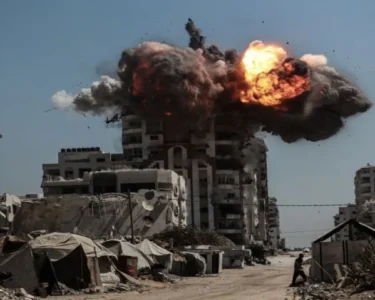
The Gaza Strip faces one of the most dire crises in recent years, with millions lacking basic necessities. United Nations reports cite shortages of clean water, healthcare infrastructure, and shelter as urgent issues. The conflict, primarily between Hamas and Israeli forces, has worsened conditions, with airstrikes and blockades exacerbating the humanitarian toll. Trump’s aid pledge is seen by some as a potential turning point, though skeptics question its feasibility given geopolitical complexities.
Member states have varying motivations. For instance, European nations may seek to mend diplomatic ties with the U.S., while others aim to influence regional dynamics. Trump’s role as a mediator has been both praised and criticized. Proponents argue his direct involvement could accelerate action, whereas critics warn of politicizing humanitarian issues.
Logistical challenges remain significant. Distributing aid in a war-torn region requires coordination with local authorities and international organizations. Security concerns, bureaucratic delays, and potential misuse of funds could hinder effectiveness. Trump has stated that the Board of Peace will work alongside existing frameworks like the United Nations to streamline efforts.
This initiative also intersects with broader regional politics. Supporters in Gaza view the aid as a lifeline, while opponents fear it might inadvertently support militant groups. The Trump administration has insisted that aid will be vetted to ensure transparency and accountability, though details on verification processes are unclear.
The pledge’s impact will depend on execution. While $5 billion is substantial, it pales compared to the billions required to rebuild Gaza’s infrastructure. Long-term solutions, such as ceasefire agreements or economic reforms, are essential but remain unresolved. Trump’s announcement is likely to face scrutiny from both allies and adversaries in the coming weeks.
In conclusion, Trump’s Board of Peace pledge represents a bold attempt to address a pressing humanitarian crisis. Its success hinges on collaboration, transparency, and adaptability in a volatile geopolitical landscape. The coming months will determine whether this effort becomes a model for future aid or a cautionary tale of short-term fixes.
Image Source: Google | Image Credit: Respective Owner