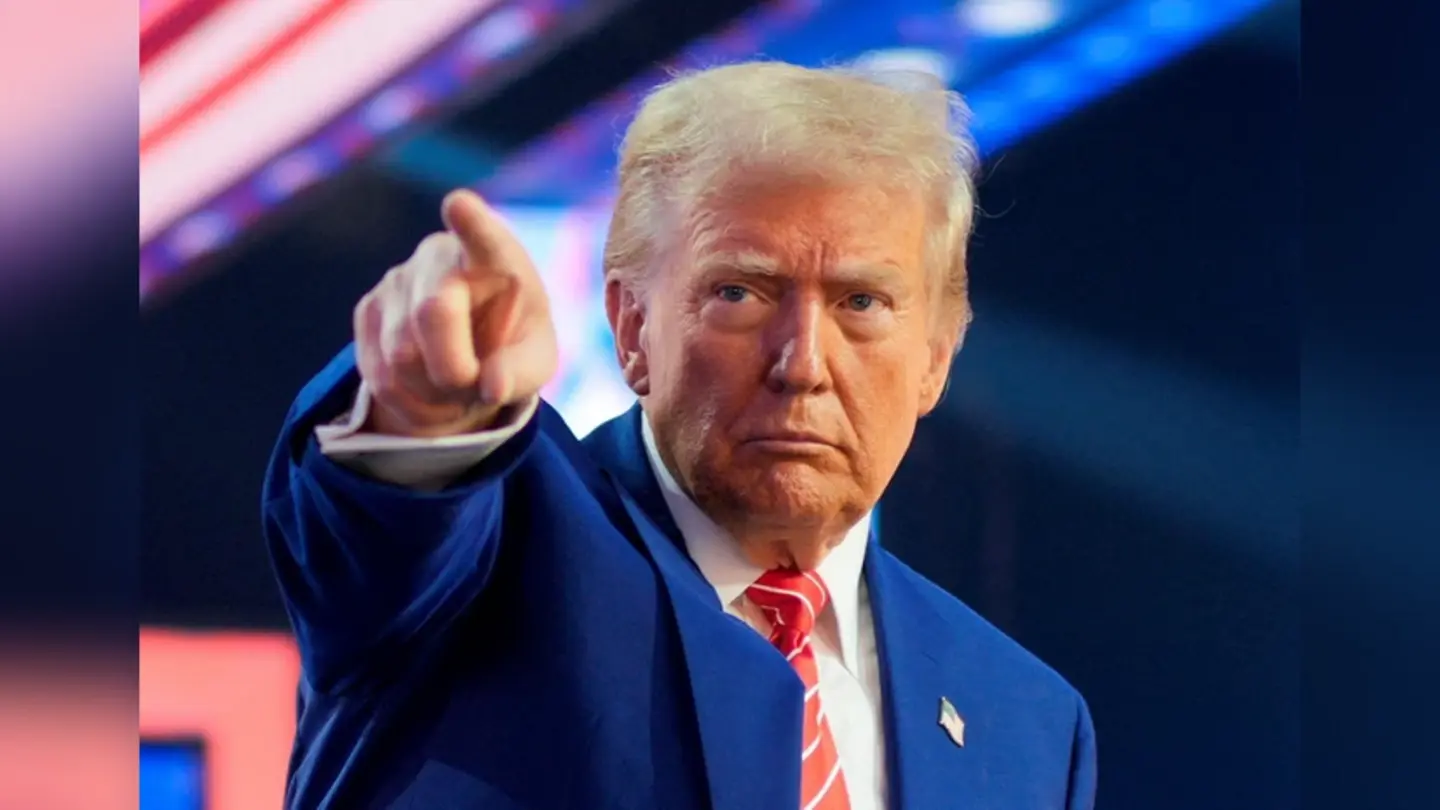
Former U.S. President Donald Trump is reportedly planning to pressure the Group of Seven (G7) nations to impose tariffs on India and China, accusing them of benefiting from their continued purchase of Russian oil despite Western sanctions. The move aims to further isolate Russia economically and penalize countries perceived to be undermining the effectiveness of the sanctions regime.
Sources familiar with Trump’s intentions indicate that he views the continued flow of Russian oil revenue to India and China as a significant loophole in the sanctions imposed by the U.S. and its allies following Russia’s invasion of Ukraine. Trump believes that these countries are unfairly profiting from discounted Russian oil, while Western nations are bearing the brunt of higher energy prices and economic disruption.
Trump’s Trade Strategy
The proposed tariffs are likely to be framed as a measure to level the playing field and ensure that all countries share the burden of isolating Russia. However, the move could spark significant backlash from both India and China, who have consistently defended their right to pursue independent foreign and economic policies. Both nations have argued that their energy purchases from Russia are driven by economic necessity and are not intended to undermine Western sanctions.
Imposing tariffs on India and China would represent a significant escalation of economic tensions between the U.S. and these countries. It could also have far-reaching consequences for global trade and investment flows. The G7 nations, which include the U.S., Canada, the UK, France, Germany, Italy, and Japan, would need to reach a consensus on the proposed tariffs for them to be implemented effectively.
Analysts suggest that Trump’s proposal is likely to face stiff resistance from some G7 members, who may be wary of triggering a trade war with two of the world’s largest economies. There are also concerns about the potential impact on global supply chains and the risk of retaliatory measures from India and China.
The plan, should it materialize, reflects Trump’s well-known approach to international relations, characterized by a willingness to use economic pressure to achieve foreign policy objectives. This tactic was evident during his presidency, when he imposed tariffs on a wide range of goods from China and other countries, citing concerns about trade imbalances and unfair practices.
It remains to be seen whether Trump will be able to persuade the G7 to adopt his proposal. The debate is expected to be intense, with significant implications for the future of global trade and the effectiveness of sanctions as a tool of international diplomacy. The move could potentially reshape international alliances and redefine the global economic landscape, adding another layer of complexity to already strained international relations.
Image Source: Google | Image Credit: Respective Owner