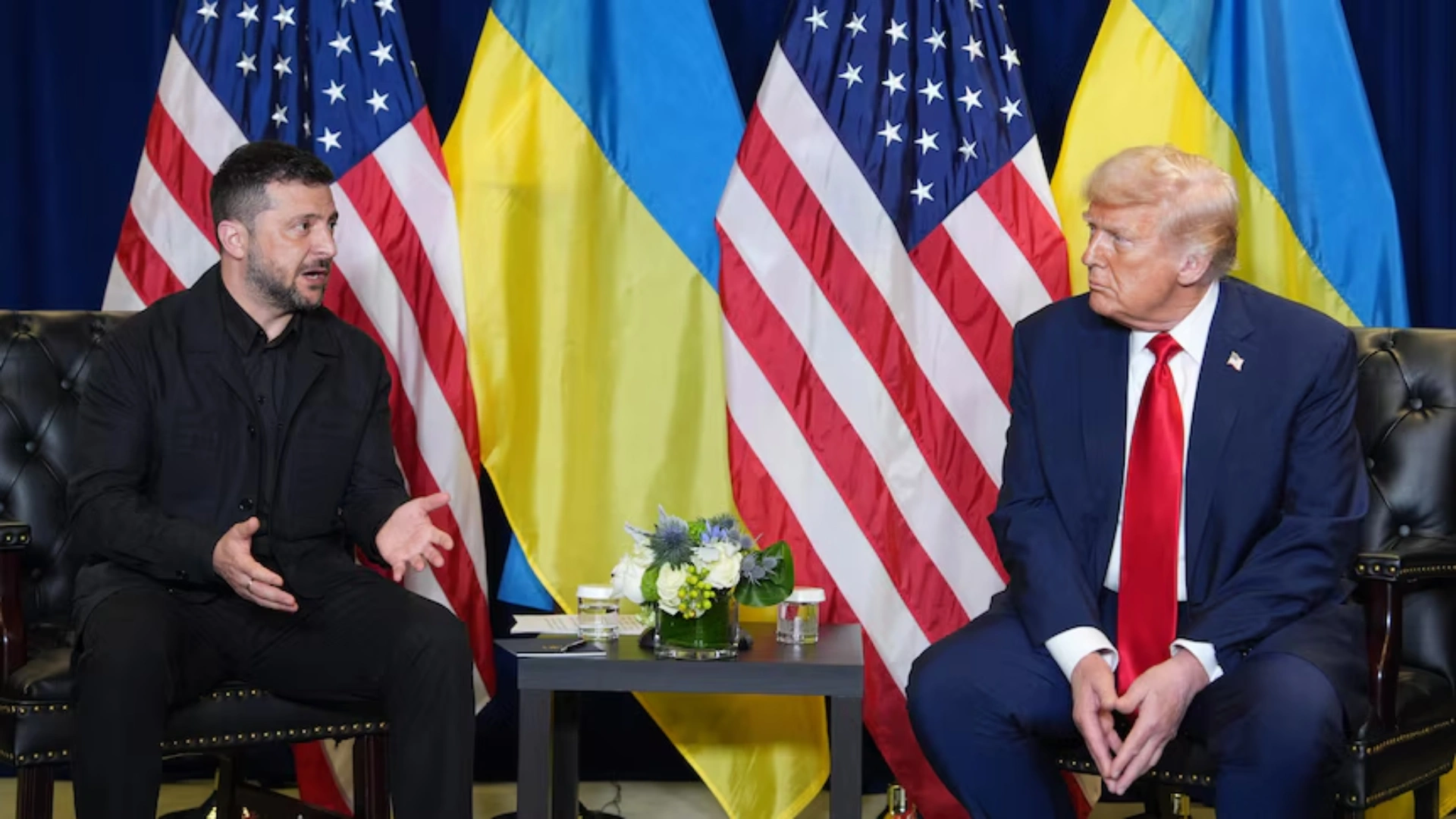
Former US President Donald Trump has voiced his support for NATO allies shooting down Russian jets that violate their airspace. While stopping short of explicitly calling for direct military confrontation, his statement signals a potentially more hawkish stance compared to his previous remarks on the Russia-Ukraine conflict. This comes amid escalating tensions in Eastern Europe and growing concerns over potential airspace incursions.
NATO’s Response to Airspace Violations
NATO has been closely monitoring airspace activity near its borders, particularly in countries bordering Ukraine and Russia. Several incidents involving Russian aircraft approaching or entering NATO airspace have been reported, prompting increased vigilance and readiness from allied air forces. NATO’s response protocols typically involve scrambling fighter jets to intercept and identify potentially hostile aircraft, issuing warnings, and, as a last resort, taking necessary measures to defend sovereign airspace.
Trump’s comments have sparked varied reactions. Some see it as a necessary deterrent to prevent further Russian aggression, arguing that a clear and decisive message is needed to protect NATO allies. Others express concern that such a policy could lead to unintended escalation and a direct military conflict between NATO and Russia, a scenario that carries significant risks.
The current US administration has adopted a more cautious approach, prioritizing diplomatic efforts and providing military aid to Ukraine. While supporting NATO’s right to defend its airspace, it has also emphasized the importance of de-escalation and avoiding direct confrontation with Russia. This strategy aims to balance deterrence with the need to prevent a wider conflict.
The situation remains fluid, and the risk of miscalculation or accidental escalation is ever-present. Close coordination between NATO allies, clear communication channels, and a commitment to de-escalation are crucial to managing the risks and preventing a further deterioration of the security environment in Europe. The international community continues to watch closely, hoping for a peaceful resolution to the ongoing conflict and a return to stability in the region.
Despite no longer holding public office, Trump’s views continue to hold significant influence, particularly within certain segments of the Republican party. His support for potentially more aggressive actions against Russia could embolden those who advocate for a stronger stance on the conflict. It also adds another layer of complexity to the already intricate geopolitical landscape.
The debate over how to respond to Russian airspace violations underscores the delicate balance between deterring aggression and avoiding escalation. While NATO has a responsibility to protect its member states, it must also carefully consider the potential consequences of any military action. The path forward requires careful diplomacy, strategic communication, and a commitment to finding peaceful solutions.
Ultimately, the goal is to de-escalate the conflict in Ukraine, prevent further aggression, and restore stability to the region. This will require a concerted effort from the international community, including both diplomatic pressure and, potentially, a willingness to defend NATO’s airspace if necessary. However, any such action must be carefully considered and implemented to minimize the risk of unintended escalation.
Image Source: Google | Image Credit: Respective Owner