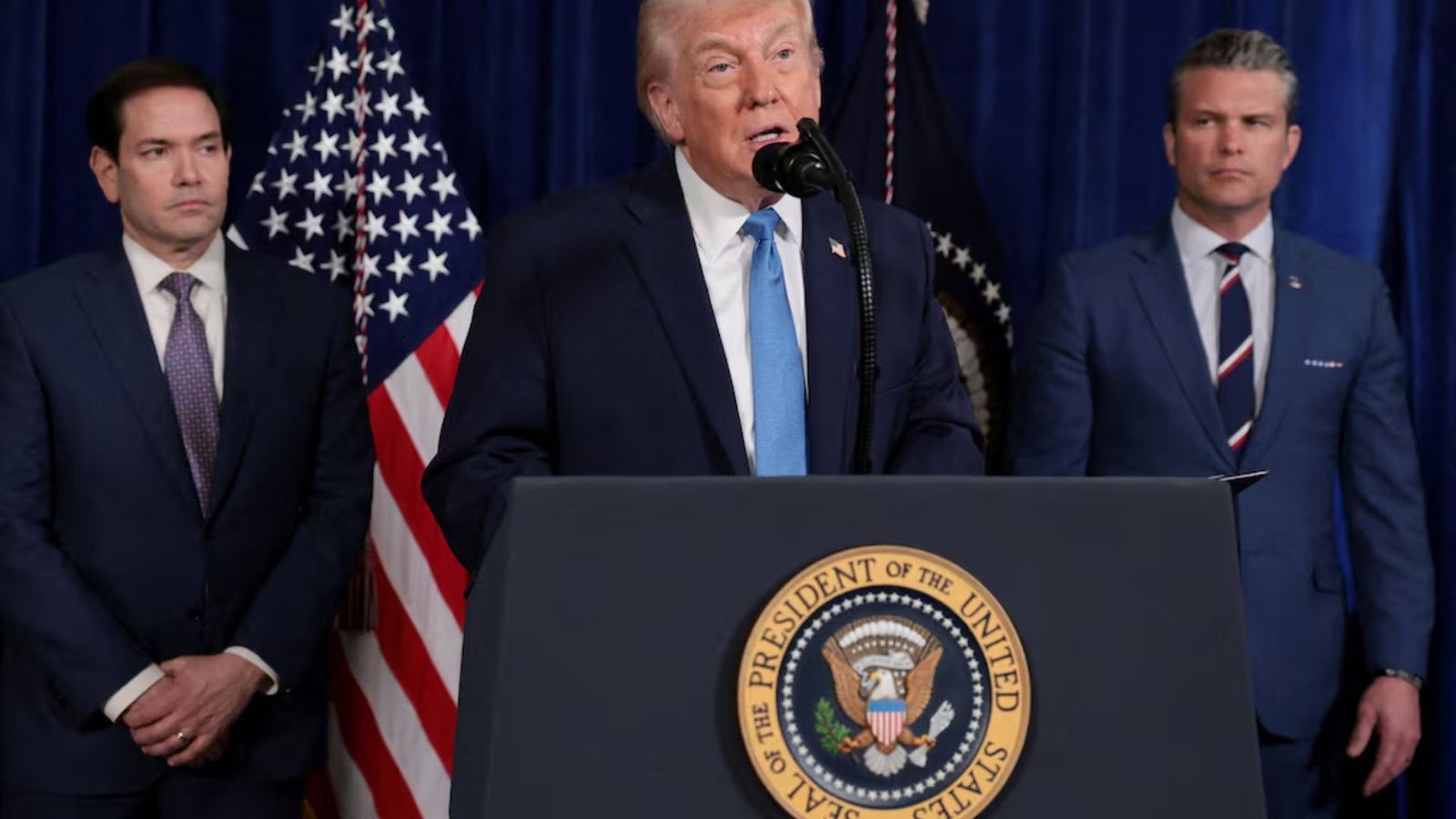
Former President Donald Trump has indicated that direct United States oversight of Venezuela, potentially involving military intervention or significant control over its affairs, could extend for several years. This assessment, reported by the New York Times, signals a prolonged and potentially forceful approach to influencing the South American nation’s political and economic landscape.
During a recent interview, Trump explained that his vision for Venezuela doesn’t involve a swift resolution, but rather a sustained period of US influence ensuring stability and, crucially, access to Venezuela’s vast oil reserves. He framed this continued involvement as necessary to prevent the country from becoming a base for hostile actors, echoing previous concerns about Iranian and Russian influence in the region.
The New York Times report details Trump’s belief that Venezuela’s oil wealth should primarily benefit the United States, a sentiment that has been consistent throughout his public statements regarding the country. He reportedly views Venezuela as having been “squandered” under previous administrations and believes a strong US presence is the key to unlocking its potential.
Past US Involvement
The possibility of extended US oversight builds upon a history of US intervention in Venezuela, including sanctions, diplomatic pressure, and support for opposition figures. In 2019, the Trump administration recognized Juan Guaidó as the legitimate interim president of Venezuela, challenging the authority of Nicolás Maduro. While this effort ultimately failed to dislodge Maduro from power, it demonstrated a willingness to actively challenge the existing regime.
Trump’s comments are likely to be met with mixed reactions internationally. Some may view a prolonged US presence as a necessary step to address the humanitarian crisis and restore democracy in Venezuela. Others will likely criticize it as a form of neo-colonialism and an infringement on Venezuelan sovereignty. The Venezuelan government, predictably, has condemned any suggestion of continued US interference.
The Biden administration has taken a different approach to Venezuela, focusing on negotiations and easing some sanctions in an attempt to encourage free and fair elections. However, progress on this front has been limited, and the situation in Venezuela remains volatile. Trump’s statements indicate a potential shift back towards a more assertive policy if he were to regain the presidency.
Analysts suggest that Trump’s vision for Venezuela is directly linked to his broader “America First” foreign policy doctrine, prioritizing US economic interests and national security above all else. The potential for increased US involvement, even if not involving full-scale military intervention, could further complicate the political and economic dynamics in the region and potentially escalate tensions with other global powers like Russia and China.
The statement came during a discussion about potential policies for a second Trump term. While details remain sparse, the implication is a harder line on Venezuela and a steadfast determination to control access to its strategic resources — particularly oil. This highlights a continued prioritization of energy security within the potential framework of another Trump administration.
Image Source: Google | Image Credit: Respective Owner