Former U.S. President Donald Trump has stated that he would not allow Israel to annex the West Bank if he were still in office. This announcement marks a notable divergence from his previous stance, adding complexity to the already intricate dynamics of the Israeli-Palestinian conflict. Trump’s earlier policies had been widely perceived as favoring Israel, particularly his recognition of Jerusalem as Israel’s capital and the relocation of the U.S. embassy.
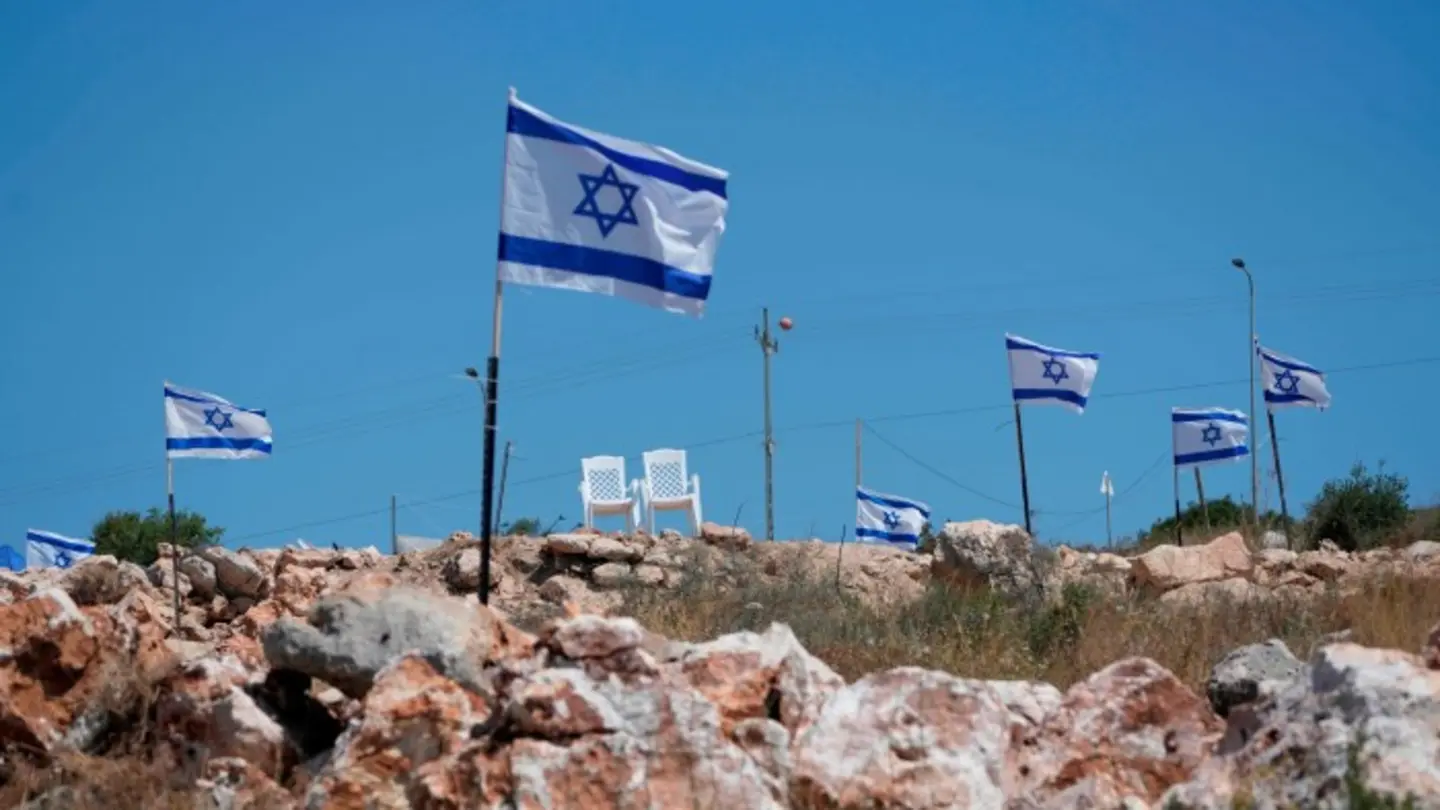
Trump’s recent statement, made during an interview, has sparked considerable debate among political analysts and observers. The West Bank, a territory captured by Israel in the 1967 Six-Day War, remains a focal point of contention. Palestinians seek the West Bank as part of their future state, while Israel has continued to build settlements in the area, a move considered illegal under international law. The annexation of the West Bank by Israel would represent a significant blow to the prospects of a two-state solution, which has long been the cornerstone of international efforts to resolve the conflict.
Trump’s Evolving Stance
The reasons behind Trump’s change of heart are not entirely clear. Some speculate that it may be a strategic calculation aimed at appealing to a broader base of voters, including those who are critical of Israeli policies. Others suggest that it reflects a genuine concern about the potential consequences of annexation for regional stability. Whatever the motivation, Trump’s words carry weight, given his continued influence within the Republican Party and his potential future role in American politics. His administration’s actions have already left an undeniable imprint on the Middle East.
The implications of Trump’s statement are far-reaching. It introduces an element of uncertainty into the future of the Israeli-Palestinian conflict, particularly if he were to regain the presidency. While his earlier policies emboldened Israel, his recent remarks suggest a potential shift in approach. This ambiguity could create both challenges and opportunities for those seeking a peaceful resolution. Palestinians may see it as a signal that the U.S. is not entirely aligned with Israeli interests, while Israelis may feel a sense of unease about the future of U.S. support.
Reactions and Future Outlook
The announcement has elicited varied reactions from different quarters. Palestinian officials have cautiously welcomed the statement, viewing it as a potential opening for renewed negotiations. Israeli leaders, on the other hand, have remained largely silent, perhaps assessing the implications for their own policies. The international community has largely refrained from commenting, awaiting further clarification on Trump’s position. The future of the West Bank remains uncertain, and the path towards a lasting peace appears as challenging as ever.
The situation necessitates careful diplomacy and a renewed commitment to finding a viable solution that addresses the legitimate concerns of both Israelis and Palestinians. Whether Trump’s words will translate into concrete action remains to be seen, but they have undoubtedly injected a new dimension into the ongoing discourse surrounding the Israeli-Palestinian conflict. The coming months will be crucial in determining the direction of this complex and deeply entrenched issue.
Image Source: Google | Image Credit: Respective Owner