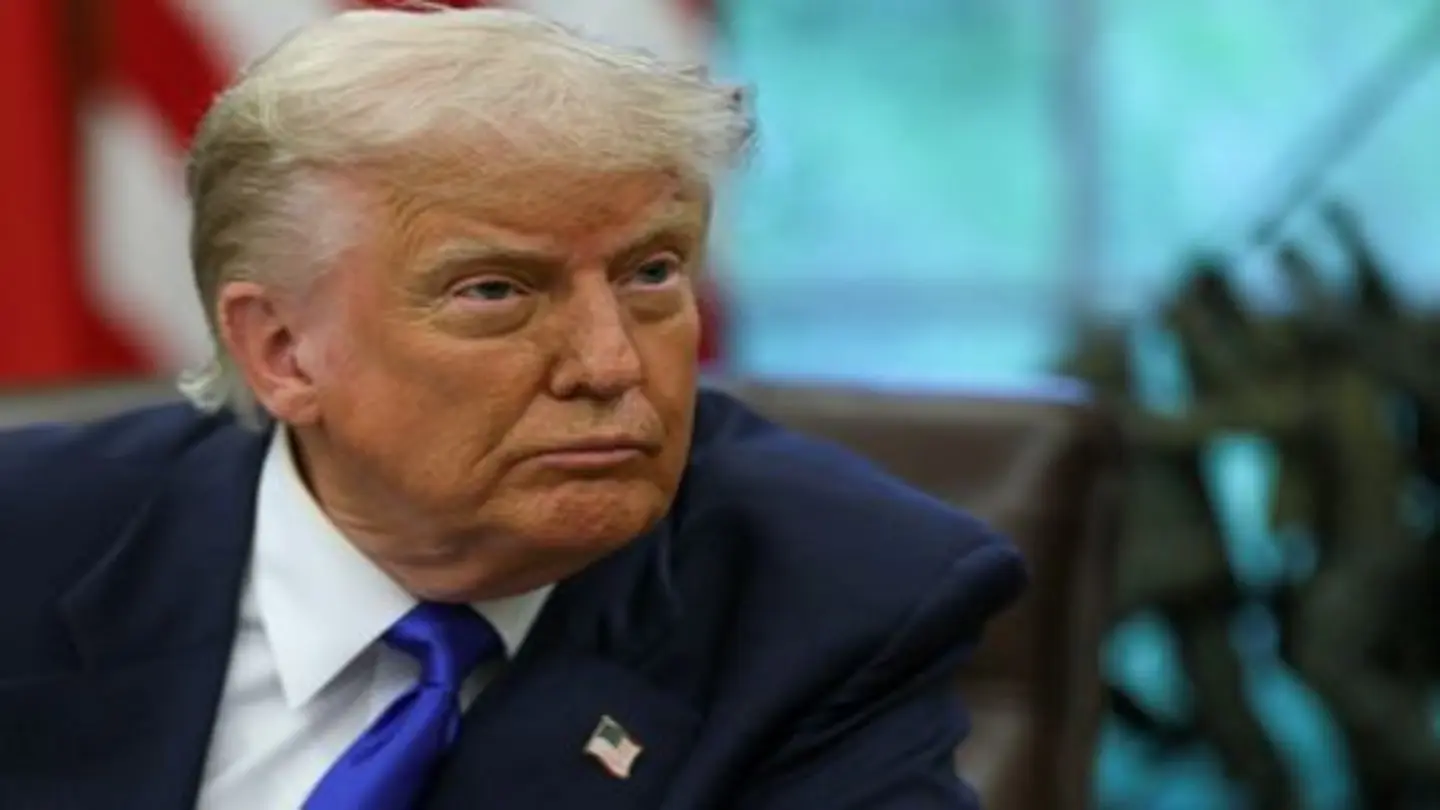
Former President Donald Trump signed an executive order aimed at shielding Venezuela’s oil revenue held in U.S. accounts from creditors, a move intended to support the country’s opposition leader, Juan Guaidó. The order, issued late Friday, prevents U.S. financial institutions from processing transactions that could lead to the seizure of Venezuelan assets.
This action directly impacts ongoing legal battles where creditors are attempting to collect debts from Venezuela’s state-owned oil company, PDVSA. The executive order effectively prioritizes the claims of Guaidó, whom the U.S. previously recognized as the legitimate interim president of Venezuela, over those of other claimants. The Biden administration has continued to uphold the order, despite not formally recognizing Guaidó as president.
Protecting Opposition Access
The stated rationale behind the order is to preserve Venezuela’s assets for the benefit of the Venezuelan people and to allow Guaidó’s opposition to maintain access to funds needed to challenge the government of Nicolás Maduro. Critics argue that the order shields Maduro’s regime from accountability and hinders efforts to resolve Venezuela’s economic crisis. The funds in question are substantial, representing a significant portion of Venezuela’s foreign reserves.
The executive order builds upon previous sanctions and restrictions imposed on Venezuela, aiming to exert pressure on Maduro to step down and allow for free and fair elections. However, these measures have largely failed to achieve their intended outcome, and Venezuela remains deeply mired in political and economic turmoil. The country faces hyperinflation, widespread shortages of essential goods, and a mass exodus of its population.
Legal challenges to the order are expected to continue. Creditors argue that the U.S. government is interfering with contractual rights and hindering their ability to recover legitimate debts. The order has also raised concerns about the potential for sovereign immunity to be eroded, as it effectively grants preferential treatment to a particular political faction. The Biden administration’s continued enforcement of the order suggests a pragmatic approach, balancing political considerations with legal challenges.
The situation is further complicated by the ongoing geopolitical dynamics in the region, including the involvement of other countries such as Russia and China, which have maintained close ties with the Maduro government. The U.S. policy towards Venezuela remains a delicate balancing act, seeking to promote a democratic transition while avoiding further destabilization of the country and the region. The long-term impact of Trump’s executive order remains to be seen, but it continues to shape the landscape of Venezuela’s financial and political struggles.
The order specifically targets transactions that could result in the attachment, seizure, or execution against any asset owned or controlled by PDVSA, the Central Bank of Venezuela, or any other Venezuelan entity. This broad scope aims to prevent creditors from accessing Venezuelan funds through various legal avenues, including U.S. courts. The Biden administration has faced pressure from both sides of the political spectrum regarding its Venezuela policy, with some advocating for a more aggressive approach and others calling for a diplomatic solution.
Image Source: Google | Image Credit: Respective Owner