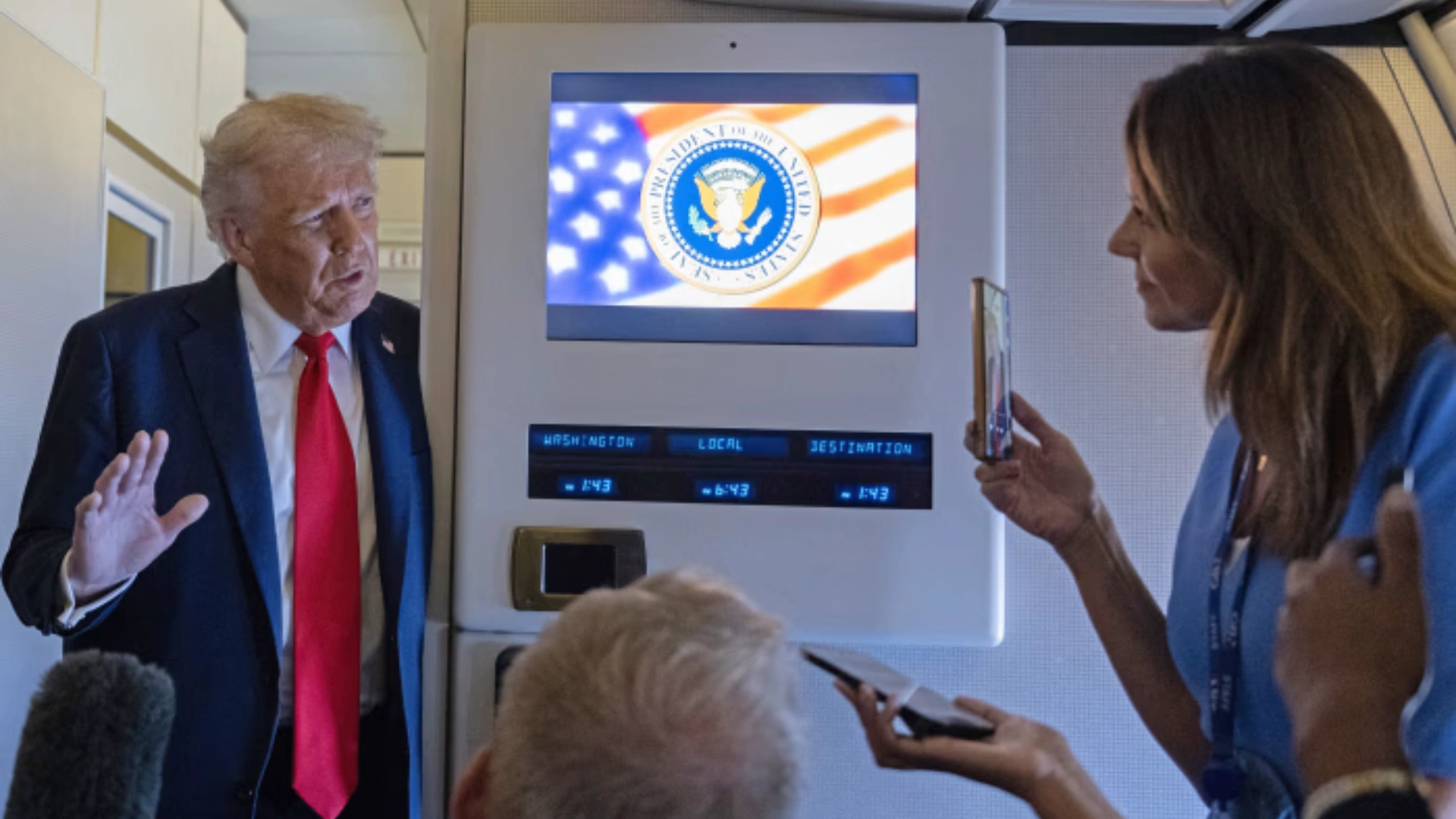
Former U.S. President Donald Trump has reportedly authorized a strike on a narcotics-carrying vessel in international waters, reiterating his tough stance on drug trafficking. The order, delivered with the explicit message to “stop selling drugs to Americans,” underscores a continued focus on combating the flow of narcotics into the United States. This action reflects a broader strategy to aggressively counter drug cartels and disrupt their operations at their source. The incident has sparked considerable discussion regarding the extent of U.S. authority in international waters and the potential implications for international law.
The directive from Trump signals a potential escalation in the U.S.’s approach to combating the drug trade. Previous administrations have also engaged in efforts to interdict drug shipments, but the directness of Trump’s order and the targeting of vessels in international waters mark a notable departure. This move is likely intended to send a strong message to drug cartels and demonstrate a commitment to aggressively disrupting their activities. However, it also raises questions about the legal and ethical considerations of such interventions.
Implications for International Relations
The implications of this action extend beyond the immediate disruption of drug trafficking operations. It has the potential to strain relations with countries whose flags the targeted vessels may be flying, or those within whose territorial waters the vessels may be operating. The principle of freedom of navigation is a cornerstone of international maritime law, and any actions that could be perceived as infringing upon this principle are likely to draw criticism. The U.S. will need to carefully manage the fallout from this incident and work to reassure its allies and partners that it respects international law.
Furthermore, this incident highlights the ongoing challenges of combating the drug trade. Despite decades of efforts, including interdiction, eradication, and demand reduction programs, the flow of illicit drugs into the U.S. continues to be a significant problem. This suggests that a more comprehensive approach is needed, one that addresses the root causes of drug trafficking and addiction. Such an approach would involve working with other countries to strengthen their law enforcement capabilities, providing alternative economic opportunities for communities dependent on drug production, and investing in prevention and treatment programs.
The long-term effectiveness of this strategy remains to be seen. While disrupting drug shipments may have some short-term impact, it is unlikely to solve the problem entirely. Drug cartels are highly adaptable and will likely find new ways to transport their products. A more sustainable solution will require a sustained commitment to addressing the underlying factors that drive the drug trade.
In conclusion, Trump’s order to strike a narcotics boat in international waters represents a bold and potentially controversial move in the fight against drug trafficking. It underscores the U.S.’s determination to combat the flow of illicit drugs into the country, but it also raises important questions about international law, ethics, and the effectiveness of current strategies. The long-term impact of this action will depend on how the U.S. manages its relations with other countries and how it addresses the underlying causes of the drug trade.
Image Source: Google | Image Credit: Respective Owner