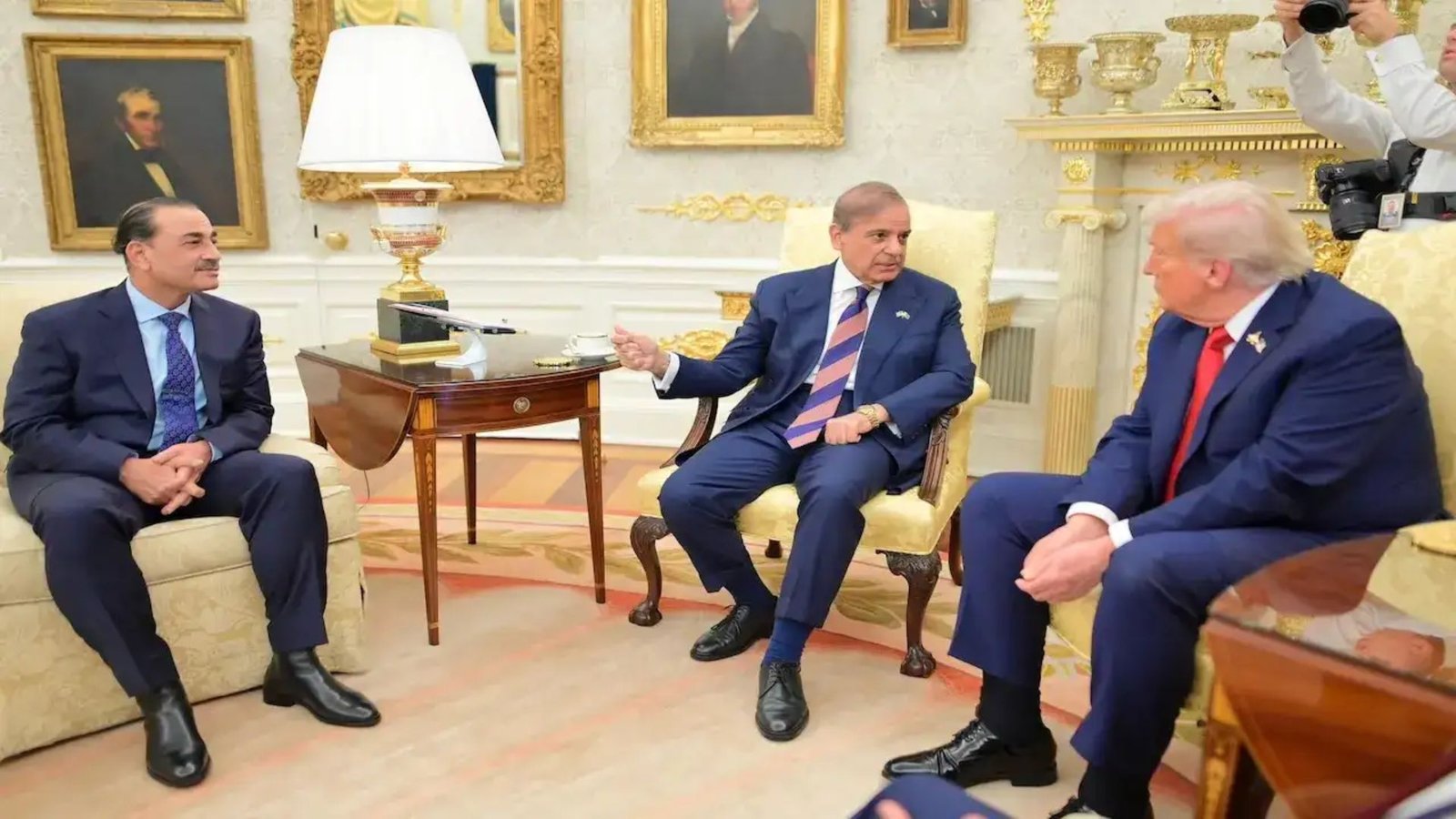
Former US President Donald Trump reportedly kept Pakistani Prime Minister Shehbaz Sharif and then-Army Chief Asim Munir waiting at the Oval Office, according to a report by Hindustan Times. This incident has sparked considerable discussion and speculation regarding diplomatic protocols and the nature of interactions between world leaders.
The details surrounding the event remain somewhat unclear, but the report suggests that the delay caused some discomfort and raised questions about the respect afforded to the visiting dignitaries. Such incidents, while potentially unintentional, can have significant implications for international relations and perceptions.
Diplomatic Implications
The reported delay carries potential diplomatic weight. Holding a head of state or a high-ranking military official waiting, regardless of the reason, can be interpreted as a sign of disrespect or a lack of prioritization. In the realm of international diplomacy, perceptions often matter as much as concrete actions, and such incidents can strain relationships between nations.
While the specific reasons for the delay are not explicitly stated, it is essential to consider the context in which it occurred. The meeting, presumed to be a discussion on matters of mutual interest between the United States and Pakistan, highlights the complex dynamics of international relations.
Potential Interpretations
Several interpretations have been offered regarding the incident. Some analysts suggest it could have been a deliberate tactic employed by Trump to assert dominance or convey a particular message. Others propose that it was simply a matter of scheduling conflicts or miscommunication. Without further details, it is difficult to ascertain the true motivation behind the reported delay.
It is also worth noting that Trump’s approach to diplomacy has often been unconventional, characterized by a willingness to deviate from established norms and protocols. This has sometimes led to both praise and criticism, with some arguing that it represents a refreshing departure from traditional diplomacy, while others view it as disruptive and counterproductive.
The Hindustan Times report underscores the importance of diplomatic etiquette and the potential consequences of perceived slights. The incident serves as a reminder that even seemingly minor details can have a significant impact on international relations and the perceptions that shape them. The incident is currently being reviewed by diplomatic analysts to better understand the full ramifications and avoid similar occurrences in the future.
Image Source: Google | Image Credit: Respective Owner