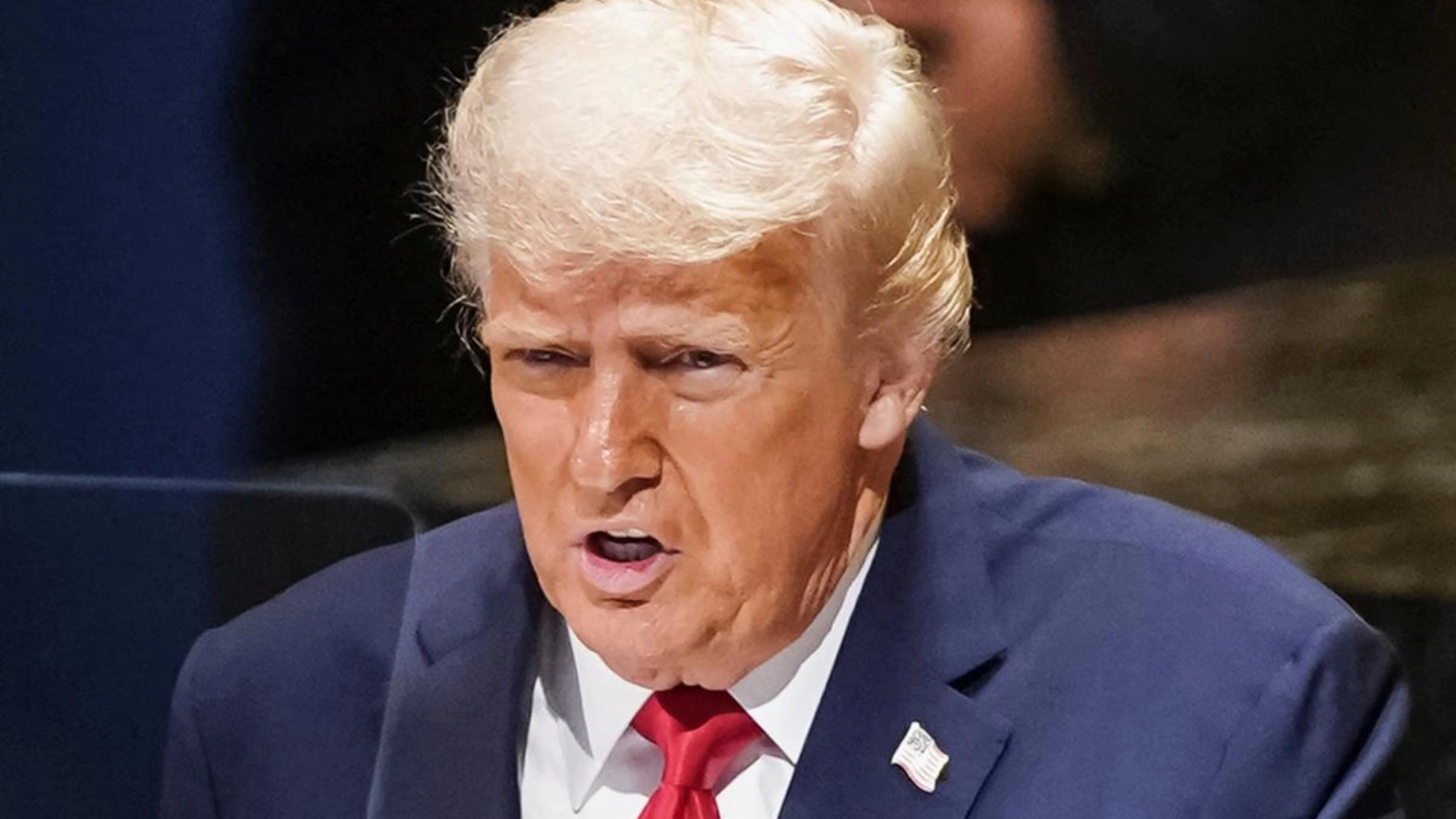
Former U.S. President Donald Trump, speaking at the United Nations General Assembly (UNGA), asserted that India and China are the “primary funders” of Russia’s ongoing war in Ukraine. Trump’s remarks underscored the complex geopolitical dynamics surrounding the conflict and the economic relationships that various nations maintain with Russia.
“The war in Ukraine is a terrible thing. It should have never happened. I know [Russian President Vladimir] Putin very well. He would have never done it. But the primary funders of the war are India and China because they are buying the oil; they are the primary reasons that it is continuing,” Trump stated. He did not elaborate on the specific mechanisms through which India and China’s economic activities directly fund the war effort but emphasized their role as significant consumers of Russian oil.
Economic Ties and Geopolitical Implications
India and China have significantly increased their imports of Russian oil since the start of the war in Ukraine. This trade has provided Russia with a crucial economic lifeline, helping to offset the impact of Western sanctions imposed in response to the invasion. The increased demand from these Asian powers has allowed Russia to maintain a substantial revenue stream, which, according to critics, indirectly supports its military operations.
The economic relationship between Russia, India, and China is multifaceted. India, for instance, relies on Russia for a significant portion of its defense equipment. China, with its vast manufacturing capabilities, has maintained robust trade relations with Russia, providing essential goods and technologies. The ongoing trade and economic cooperation raise questions about the effectiveness of international sanctions and the balance of power in a changing global landscape.
Trump’s comments at the UNGA highlight the delicate balancing act that many countries face as they navigate their relationships with Russia. While Western nations have largely condemned the invasion and imposed sanctions, other countries, including India and China, have adopted a more nuanced approach, prioritizing their national interests and economic stability.
The Broader Context of the UNGA
The UNGA serves as a crucial platform for world leaders to address pressing global issues, including conflicts, economic disparities, and climate change. Trump’s remarks on the funding of the war in Ukraine add to the ongoing discussions about the roles and responsibilities of various nations in resolving international crises. The assembly provides an opportunity for diplomatic engagement and negotiation, aiming to foster cooperation and find solutions to shared challenges.
As the war in Ukraine continues, the economic and political dynamics involving Russia, India, China, and the rest of the world remain a central focus of international diplomacy. The assertions made at the UNGA underscore the complexities of these relationships and the challenges in achieving a unified global response to the conflict.
The situation continues to evolve, and further developments are expected as countries reassess their strategies and seek to mitigate the broader consequences of the war.
Image Source: Google | Image Credit: Respective Owner