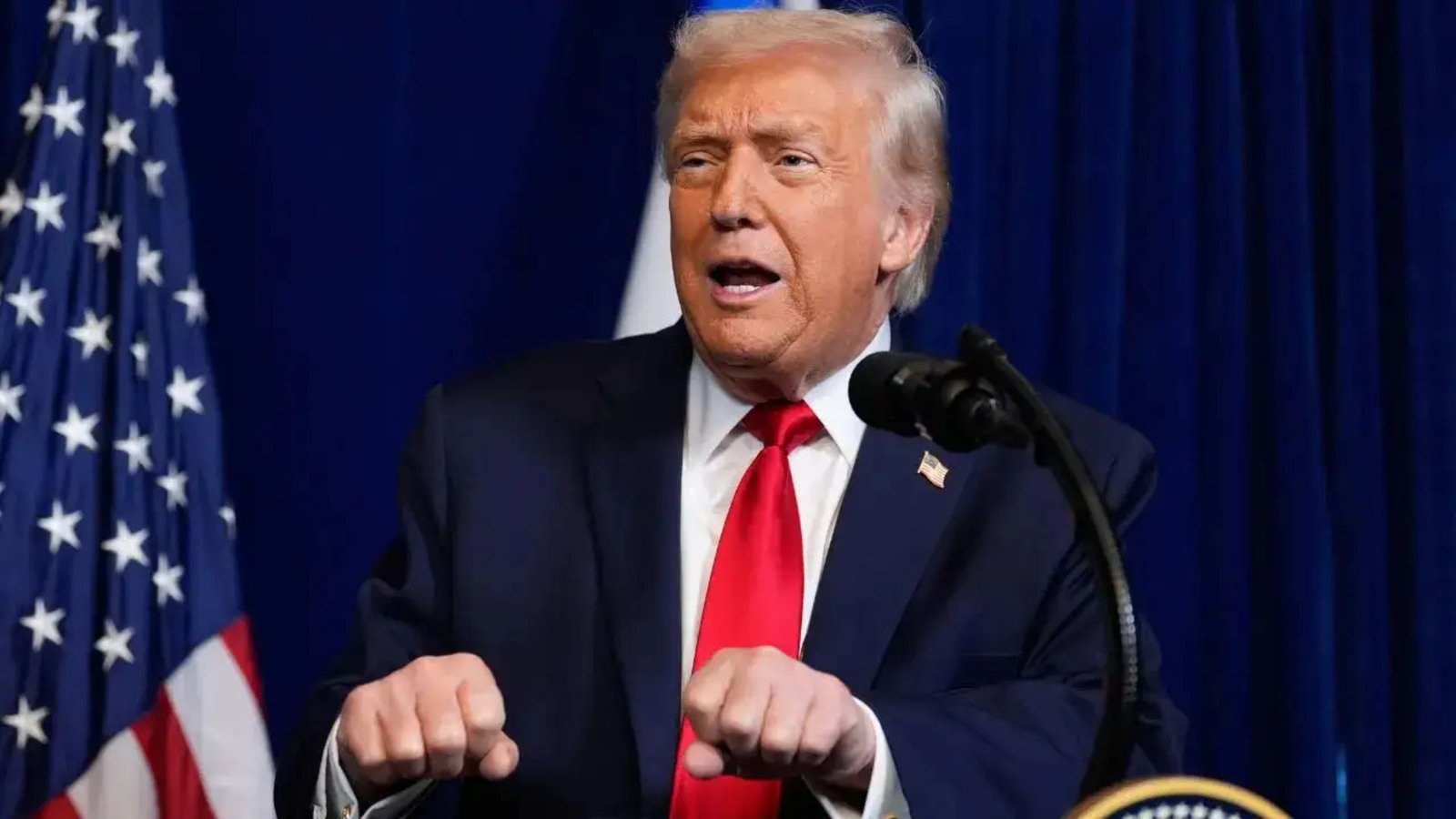
Former U.S. President Donald Trump has reportedly imposed a 10% tariff on imports from Denmark, France, and the United Kingdom, a move stemming from their opposition to his 2019 proposal to purchase Greenland. The decision, made during his final days in office but only recently implemented by current authorities, is being described as retaliatory and has sparked concern among trade officials in the affected European nations.
According to reports, Trump initially floated the idea of buying Greenland, a self-governing territory within the Kingdom of Denmark, during a private conversation with advisors and later publicly discussed it. The proposal was met with widespread bemusement and rejection from both Danish and Greenlandic officials, who firmly stated that the territory was not for sale. The former president reportedly remained fixated on the idea, viewing it as a potential strategic asset for the United States.
Trade Implications
The newly implemented tariffs are expected to impact a range of goods exported from these European countries to the U.S., potentially including agricultural products, textiles, and manufactured items. While the 10% tariff may seem relatively modest, analysts warn that it could escalate trade tensions and lead to further retaliatory measures. The economic impact is anticipated to be unevenly distributed, with certain industries and businesses facing greater challenges than others.
European officials have expressed disappointment and bewilderment at the decision, questioning its rationale and legality. Some legal experts suggest the tariffs could be challenged through the World Trade Organization (WTO), arguing they are not based on established trade rules or practices. The timing of the implementation, well after Trump left office, is also raising eyebrows, with critics suggesting it’s a continuation of his “America First” trade policies.
The Biden administration has been largely silent on the matter, indicating they are reviewing the situation. However, the tariffs are now in effect, and any reversal would require a formal process. Sources suggest internal debate within the administration regarding the best course of action, balancing the need to maintain strong relationships with key allies against the potential for a trade war.
The Greenland purchase proposal itself was largely seen as a distraction from other policy priorities during Trump’s presidency. His interest in the territory stemmed from its strategic location and potential access to natural resources. However, the logistical and political hurdles associated with such a purchase were considered insurmountable. The imposition of tariffs now serves as a tangible, albeit unusual, consequence of that rejected ambition.
The affected countries are currently assessing the specific goods impacted by the tariffs and considering their response options. Diplomatic channels are expected to be utilized to attempt to resolve the issue, but the path forward remains uncertain. The situation highlights the enduring legacy of Trump’s trade policies and the challenges facing the Biden administration in navigating a complex global economic landscape.
Image Source: Google | Image Credit: Respective Owner