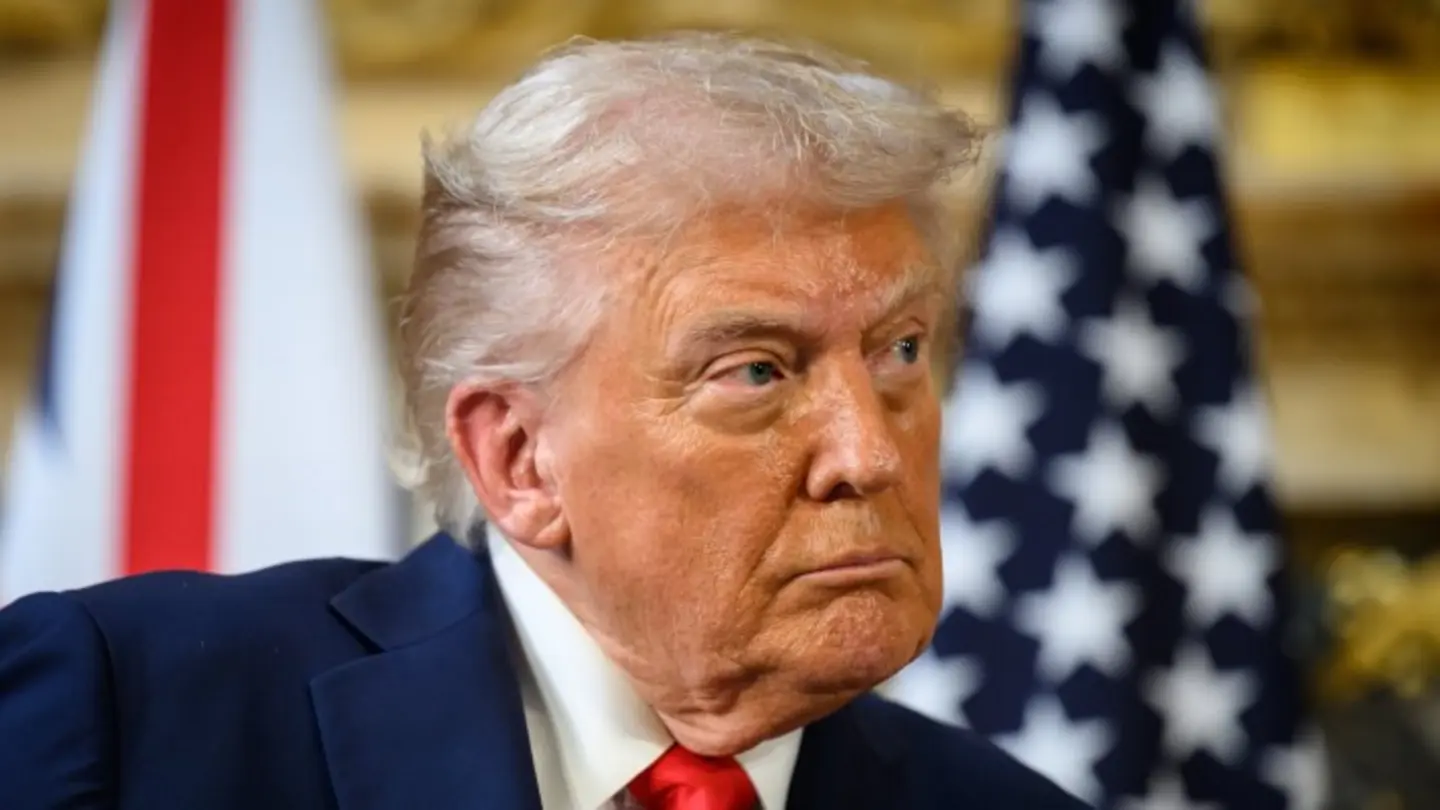
In a significant move impacting foreign workers, particularly those in the tech sector, former President Donald Trump has reportedly signed a proclamation imposing a $100,000 annual fee on H-1B visa applications. The decision, according to The Times of India, aims to generate revenue and potentially curb the influx of foreign labor into the United States. The H-1B visa is a non-immigrant visa that allows U.S. employers to temporarily employ foreign workers in specialty occupations that require theoretical or technical expertise. These occupations often include fields like information technology, engineering, finance, and medicine.
The proclamation’s rationale centers around the argument that American workers are being displaced by foreign labor willing to work for lower wages. By increasing the cost of hiring foreign workers through the H-1B visa program, the Trump administration sought to incentivize companies to prioritize hiring American citizens and residents. The $100,000 fee is a substantial increase compared to previous application costs, which typically included base filing fees, fraud prevention and detection fees, and potentially legal fees associated with the application process.
Impact on Tech Companies
The tech industry, heavily reliant on H-1B visas to fill specialized roles, is expected to be significantly impacted by this new fee. Many companies have argued that they rely on the H-1B program to access talent not readily available within the U.S. workforce. The increased cost could force companies to re-evaluate their hiring strategies, potentially leading to slower growth or a shift in operations to other countries with more favorable immigration policies.
However, proponents of the fee argue that it will encourage companies to invest in training and developing American workers, ultimately strengthening the U.S. workforce and reducing reliance on foreign labor. They also contend that the fee will generate revenue that can be used to fund education and training programs for American workers, further bolstering the domestic workforce.
Future of H-1B Visas
The long-term effects of this proclamation remain to be seen. The current administration could potentially reverse or modify the policy. The H-1B visa program has been a subject of debate for many years, with ongoing discussions about its impact on American workers and the U.S. economy. Any changes to the program are likely to have significant implications for both businesses and foreign workers seeking opportunities in the United States. The situation will continue to evolve as stakeholders react and potential legal challenges emerge. The fee’s implementation and its overall effect on the H-1B visa landscape are important to monitor for anyone working in or relying upon this visa program.
Image Source: Google | Image Credit: Respective Owner