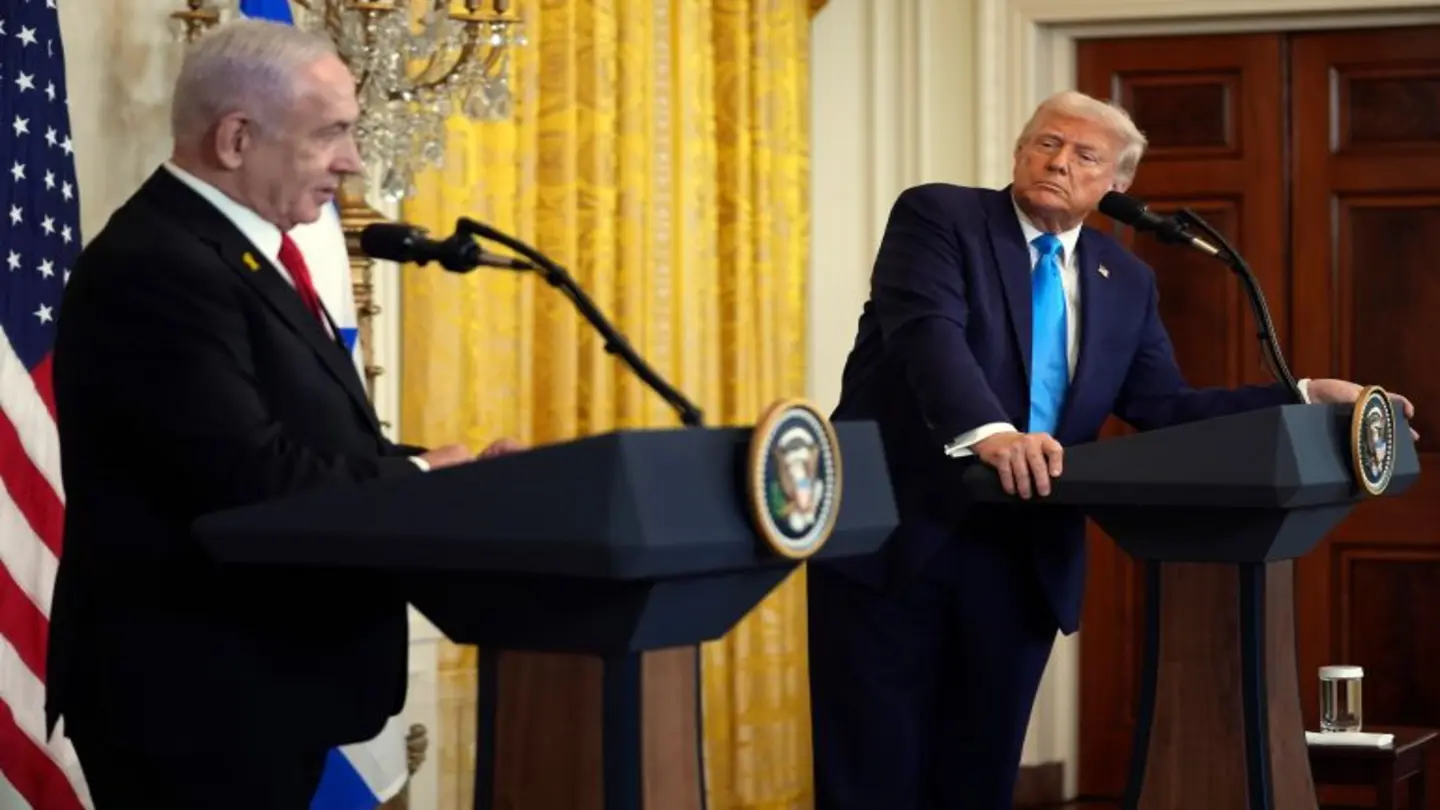
Former US President Donald Trump has teased a forthcoming plan for the Middle East, hinting at “greatness” in the region. This announcement arrives amidst ongoing discussions and proposals aimed at addressing the conflict in Gaza. While details of Trump’s plan remain scarce, his remarks suggest a comprehensive approach that extends beyond the immediate crisis.
Trump’s Vision for the Middle East
Trump’s statement, made during a recent public appearance, alluded to a 21-point plan for Gaza, though specific elements were not disclosed. He emphasized the potential for significant positive change in the Middle East, building on what he described as his administration’s previous successes in fostering regional stability. During his presidency, Trump brokered the Abraham Accords, normalizing relations between Israel and several Arab nations. It is likely his current plan will capitalize on those newfound relationships. His remarks have stirred interest and speculation among analysts and diplomats, particularly regarding its potential impact on existing peace initiatives.
The timing of Trump’s announcement coincides with heightened international efforts to de-escalate tensions in Gaza and secure a lasting ceasefire. The conflict has resulted in a devastating humanitarian crisis, prompting widespread calls for a resolution that addresses the underlying causes of the conflict. Various proposals have been put forward by international actors, including the United States, Egypt, and Qatar, each with its own nuances and priorities. However, the complexity of the situation, coupled with deep-seated mistrust between the involved parties, has hampered progress towards a comprehensive agreement.
Trump’s previous involvement in Middle East diplomacy, marked by both significant achievements and controversial decisions, adds another layer of complexity to the current landscape. While his supporters credit him with fostering unprecedented levels of cooperation between Israel and its Arab neighbors, critics point to his unilateral actions, such as the recognition of Jerusalem as Israel’s capital, which were seen as detrimental to the peace process. Given this mixed legacy, it remains to be seen how Trump’s plan will be received by regional and international stakeholders.
The ongoing conflict in Gaza continues to be a major source of concern, with the potential to destabilize the entire region. The need for a sustainable solution that addresses the humanitarian crisis and promotes long-term stability is more urgent than ever. Trump’s new plan might provide a new pathway forward if he can gain the backing of key regional players.
Geopolitical Implications
The success of any peace initiative will depend on the willingness of all parties to engage in good-faith negotiations and compromise on key issues. However, Trump’s entry into the arena injects uncertainty. His plan, if fully realized, could potentially reshape the region’s political landscape and influence the future direction of the Israeli-Palestinian conflict.
Image Source: Google | Image Credit: Respective Owner