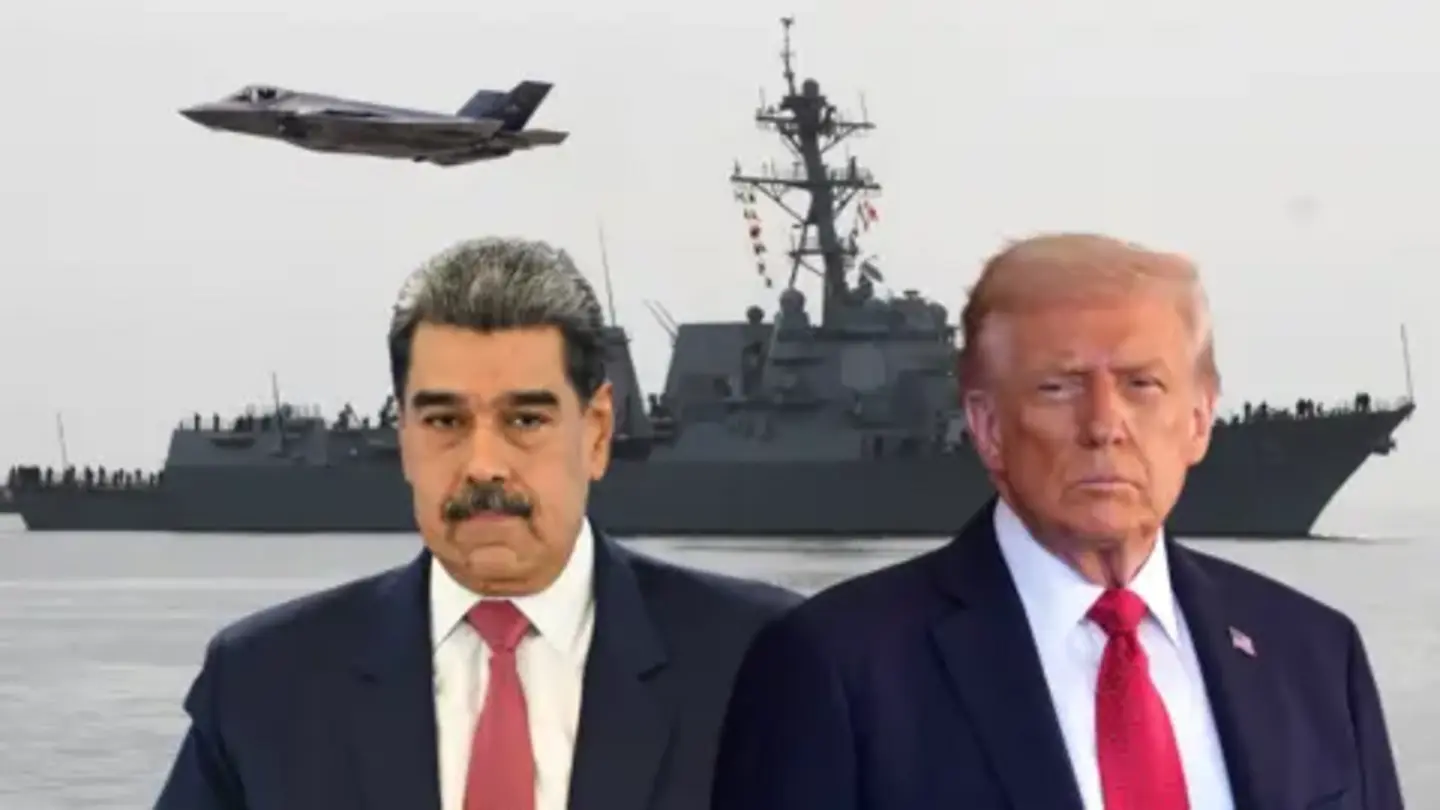
Former U.S. President Donald Trump suggested the possibility of discussions between the United States and Venezuelan President Nicolás Maduro, coinciding with the arrival of a U.S. aircraft carrier in the Caribbean region. This development introduces a complex dynamic into the already strained relationship between the two nations, raising questions about potential shifts in U.S. foreign policy toward Venezuela.
The arrival of the aircraft carrier signals a show of force in a region marked by political instability and security concerns. While the specific reasons for the deployment remain subject to interpretation, it underscores the U.S.’s continued interest in maintaining a presence in the Caribbean. The timing of Trump’s remarks adds another layer to this situation, prompting speculation about the motivations behind his seemingly conciliatory stance toward Maduro.
U.S.-Venezuela Relations
Relations between the U.S. and Venezuela have been fraught with tension for years, particularly during the Maduro regime. The U.S. has imposed sanctions on Venezuela, citing concerns about human rights abuses, corruption, and democratic backsliding. Washington has also recognized opposition leader Juan Guaidó as the legitimate interim president of Venezuela, further isolating Maduro’s government.
Trump’s recent comments suggest a potential departure from this hardline approach. While he has been critical of Maduro in the past, his openness to discussions hints at a willingness to explore alternative avenues for engagement. This could be driven by a variety of factors, including a desire to address issues such as oil production and regional stability.
Implications of Potential Talks
If the U.S. were to engage in discussions with Maduro, it could have significant implications for the political landscape in Venezuela and the broader region. Such talks could potentially pave the way for a negotiated settlement to the country’s political crisis, which has caused widespread economic hardship and a massive outflow of refugees.
However, any engagement with Maduro would likely face criticism from those who view him as an authoritarian leader. Concerns would be raised about legitimizing his rule and potentially undermining the efforts of the opposition. The U.S. would need to carefully weigh the potential benefits and risks of such a move.
The presence of the U.S. aircraft carrier adds another dimension to this situation. It could be interpreted as a form of leverage, signaling to Maduro that the U.S. has the ability to exert pressure if necessary. However, it could also be seen as a sign of aggression, potentially complicating any attempts at dialogue. The coming weeks will likely be crucial in determining the future of U.S.-Venezuela relations.
Ultimately, the possibility of discussions between the U.S. and Maduro represents a significant development in a complex and volatile situation. Whether it leads to a breakthrough or further entrenches existing divisions remains to be seen, but the stakes are high for both countries and the wider region.
Image Source: Google | Image Credit: Respective Owner