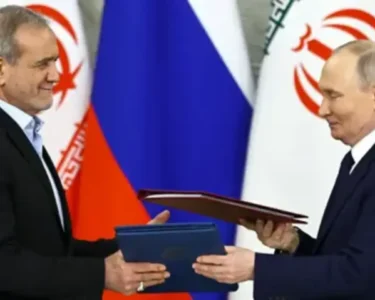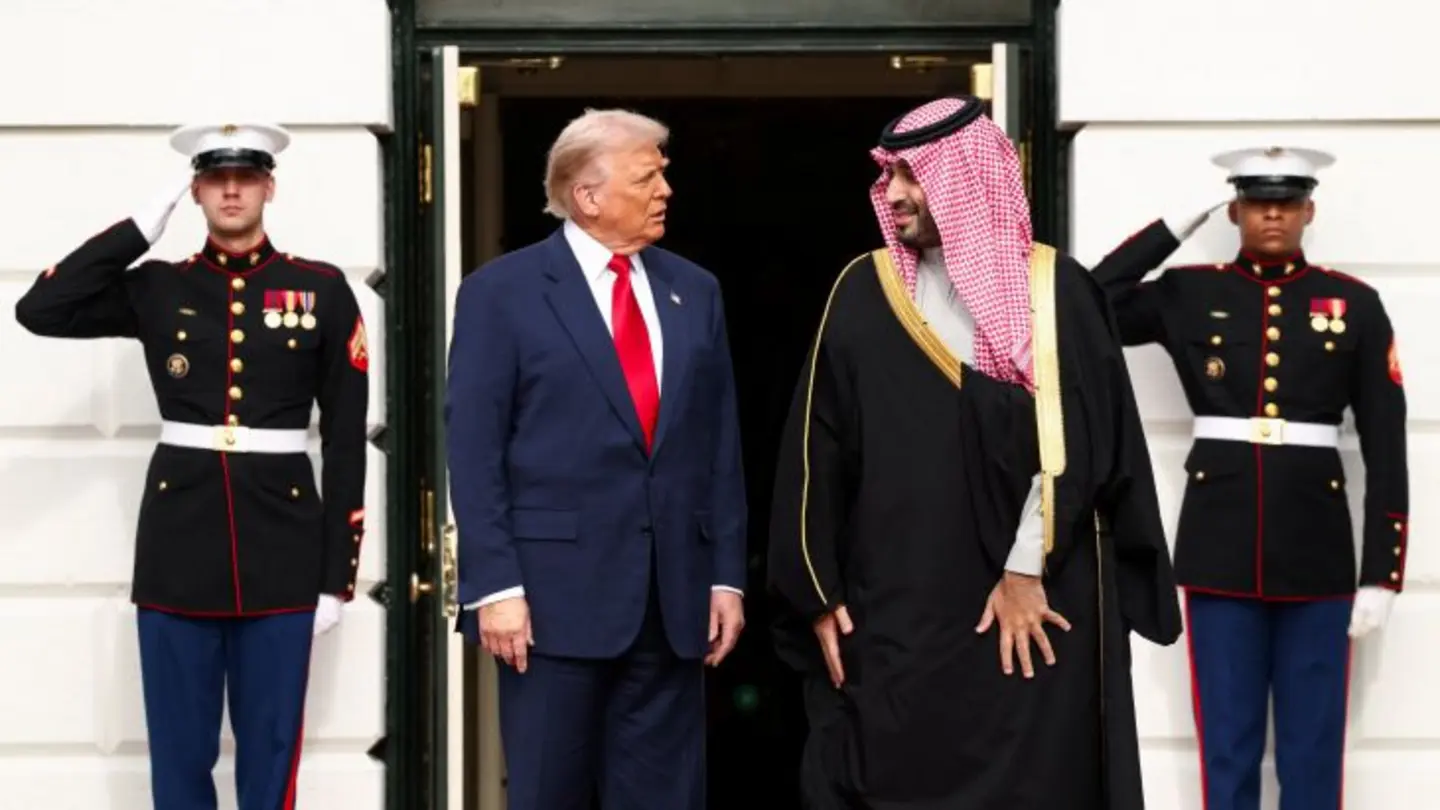
In a move signaling strengthened ties between the United States and Saudi Arabia, former President Donald Trump designated Riyadh as a major non-NATO ally. This designation, occurring during his presidency, grants Saudi Arabia certain privileges in defense trade and security cooperation with the United States, elevating its status among Washington’s strategic partners.
The designation as a major non-NATO ally does not equate to a formal security alliance like NATO. However, it provides significant benefits, including eligibility for expedited export processing of military equipment, participation in cooperative research and development projects, and access to U.S. training programs. This enhanced cooperation aims to bolster Saudi Arabia’s defense capabilities and contribute to regional stability, according to U.S. officials.
Strategic Implications
The decision to designate Saudi Arabia as a major non-NATO ally reflects the long-standing strategic partnership between the two countries, rooted in shared interests in energy security, counterterrorism, and regional stability. Despite occasional strains in the relationship, the U.S. has consistently viewed Saudi Arabia as a key player in the Middle East, and this designation underscores that commitment.
Critics of the move argue that it overlooks Saudi Arabia’s human rights record and its involvement in regional conflicts, particularly the war in Yemen. They contend that strengthening ties with Saudi Arabia could embolden the kingdom’s aggressive foreign policy and undermine efforts to promote human rights and democracy in the region.
Impact on Regional Dynamics
The designation could have significant implications for regional dynamics, potentially altering the balance of power in the Middle East. Some analysts believe that it could further embolden Saudi Arabia in its rivalry with Iran, leading to increased tensions and instability. Others argue that it could deter Iranian aggression and promote a more stable regional order.
The move also comes at a time when the U.S. is seeking to rebalance its foreign policy priorities, shifting its focus towards Asia and addressing emerging challenges such as climate change and cybersecurity. Strengthening ties with Saudi Arabia could be seen as a way to maintain U.S. influence in the Middle East while freeing up resources to address other pressing global issues.
The long-term impact of this designation remains to be seen, but it is clear that it represents a significant step in the evolving relationship between the United States and Saudi Arabia. It will likely continue to be a subject of debate and scrutiny as the two countries navigate the complex challenges of the Middle East.
Ultimately, this decision reflects the complex calculations that shape U.S. foreign policy, balancing strategic interests with concerns about human rights and regional stability. The designation of Saudi Arabia as a major non-NATO ally is a testament to the enduring importance of the U.S.-Saudi relationship, despite the challenges and controversies that have occasionally strained it.
Image Source: Google | Image Credit: Respective Owner