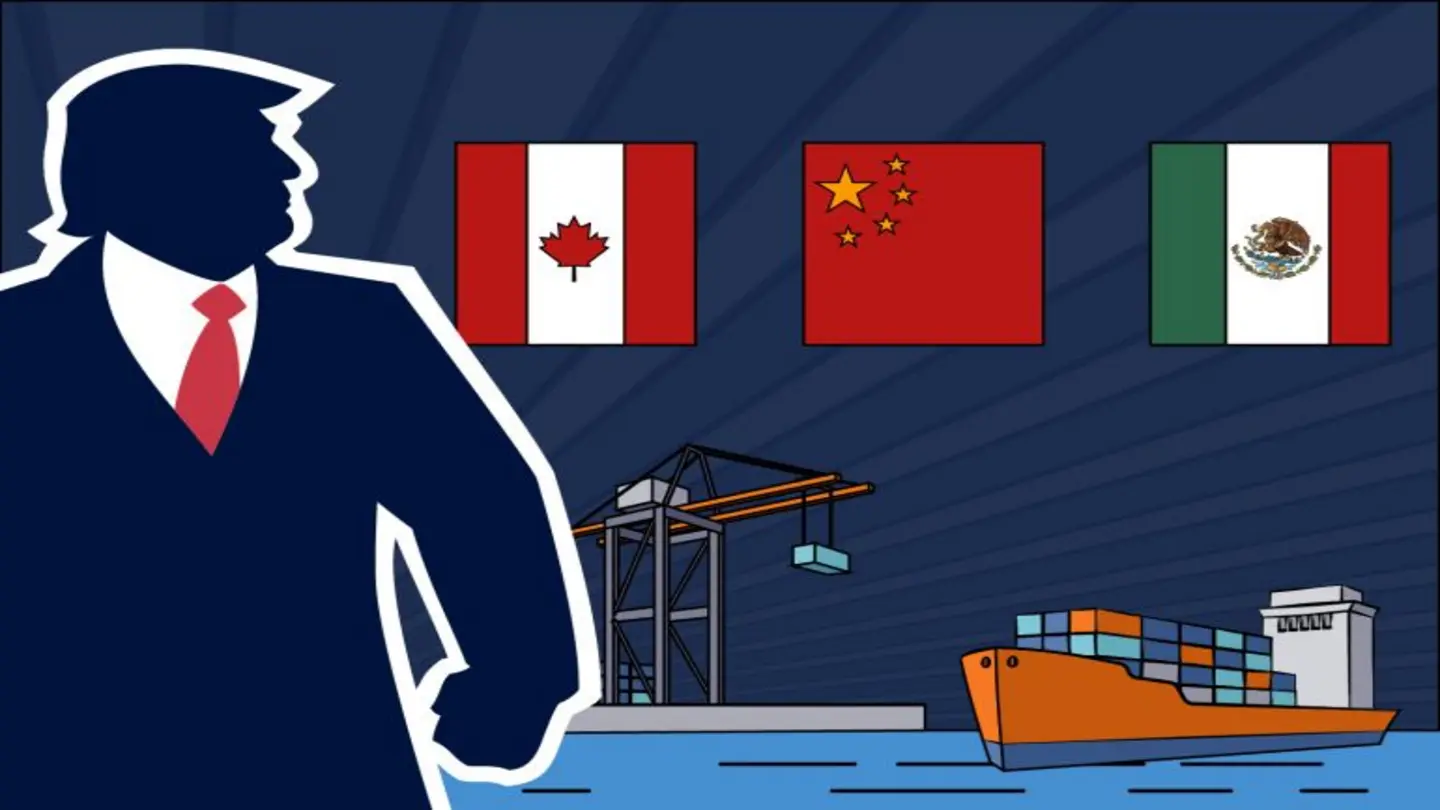
Former U.S. President Donald Trump has defended his administration’s imposition of tariffs, some as high as 155%, on Chinese goods, characterizing them as a necessary and overdue response to China’s trade practices. Speaking recently, Trump reiterated his long-held view that China has unfairly benefited from trade imbalances with the United States for many years, leading to significant economic disadvantages for American businesses and workers.
The Rationale Behind the Tariffs
Trump’s justification for the tariffs centers on the belief that China has engaged in unfair trade practices, including intellectual property theft, currency manipulation, and state-sponsored dumping of goods below market prices. These actions, according to Trump, have allowed China to gain an unfair competitive edge, harming American industries and contributing to job losses. The tariffs were intended to level the playing field, incentivize China to change its trade practices, and encourage companies to bring manufacturing back to the United States.
The former president has consistently portrayed his approach to trade with China as one of strength and resolve, arguing that previous administrations had been too lenient and allowed China to take advantage of the United States. He has emphasized the importance of standing up to China’s economic aggression and protecting American interests.
While the tariffs imposed by the Trump administration did lead to some changes in trade flows and investment patterns, they also faced criticism from various quarters. Some economists argued that the tariffs ultimately harmed American consumers and businesses by increasing the cost of imported goods and disrupting supply chains. Others raised concerns about the potential for retaliatory measures from China, which could further escalate trade tensions and harm the global economy.
The trade relationship between the United States and China remains complex and multifaceted, encompassing a wide range of issues beyond tariffs. These include concerns about human rights, cybersecurity, and geopolitical competition in the Indo-Pacific region. Despite ongoing dialogue and negotiations, significant disagreements persist, and the future of the relationship remains uncertain.
Trump’s remarks serve as a reminder of the significant impact that trade policy can have on the global economy and the complex challenges involved in managing trade relationships between major economic powers. The debate over tariffs and trade with China is likely to continue to be a prominent issue in American politics and international relations for the foreseeable future.
The Biden administration has maintained some of the tariffs imposed by Trump, while also seeking to engage with China on a broader range of issues. The current administration’s approach is characterized by a more nuanced strategy that combines competition with cooperation, aiming to address China’s unfair trade practices while also finding areas of common interest.
Image Source: Google | Image Credit: Respective Owner