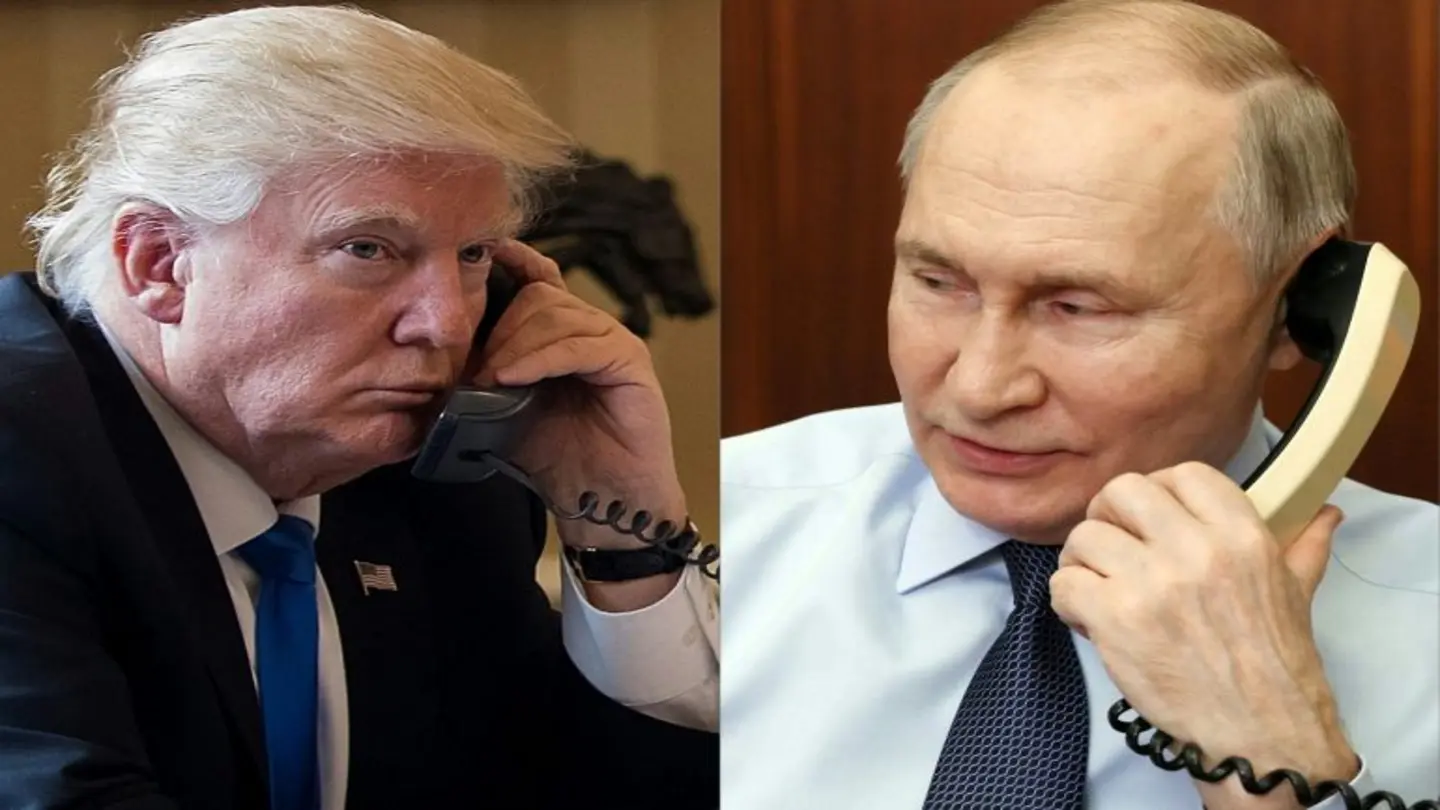
Former U.S. President Donald Trump has publicly expressed his disappointment with Russian President Vladimir Putin, citing the ongoing conflict in Ukraine as a key factor. In a recent statement, Trump indicated that he believed Putin had failed to deliver on promises or expectations related to the war. This marks a notable shift in Trump’s previously amicable relationship with the Russian leader, raising questions about the potential implications for future geopolitical dynamics.
Trump’s Shifting Stance
Throughout his presidency, Trump often spoke favorably of Putin, sometimes to the consternation of his own advisors and political allies. He frequently downplayed concerns about Russian interference in U.S. elections and sought closer ties with Moscow. However, the invasion of Ukraine appears to have strained this relationship, prompting Trump to voice criticism of Putin’s leadership.
“He’s let me down,” Trump stated, without elaborating on the specifics of Putin’s perceived failures. This brief but pointed remark suggests a growing frustration with the course of the war and Putin’s handling of the situation. The comments come at a time when Russia’s military campaign in Ukraine has faced numerous setbacks, including fierce resistance from Ukrainian forces and significant international sanctions.
Implications for U.S.-Russia Relations
Trump’s criticism of Putin could have far-reaching implications for the future of U.S.-Russia relations. While Trump is no longer in office, his views continue to hold significant sway within the Republican Party and among his supporters. His shift in tone could embolden other political figures to adopt a more critical stance towards Russia, further isolating Putin on the international stage.
It is important to note that Trump’s remarks may also be influenced by domestic political considerations. As he contemplates a potential return to the political arena, distancing himself from Putin could be a strategic move to appeal to a broader range of voters and address concerns about his past ties to Russia. However, the genuineness of his disappointment remains a subject of speculation.
The War in Ukraine
The war in Ukraine has been a major catalyst in reshaping global alliances and prompting a reassessment of geopolitical strategies. The conflict has led to a surge in military spending by NATO member states and a renewed focus on deterring Russian aggression. The international community has largely condemned Russia’s actions, imposing a wide range of sanctions aimed at crippling the Russian economy and isolating the country diplomatically.
As the war continues, the relationship between the U.S. and Russia remains fraught with tension and uncertainty. Trump’s recent criticism of Putin underscores the complexities of this relationship and the challenges of navigating a rapidly changing geopolitical landscape. The future trajectory of U.S.-Russia relations will likely depend on the evolution of the conflict in Ukraine and the political dynamics within both countries.
The long-term consequences of the war are still unfolding, but it is clear that the conflict has already had a profound impact on the global order. Trump’s shift may signal an important change regarding how the former leader views Russia, and how this change will influence America’s role on the global stage.
Image Source: Google | Image Credit: Respective Owner