Joint Stance on Iran
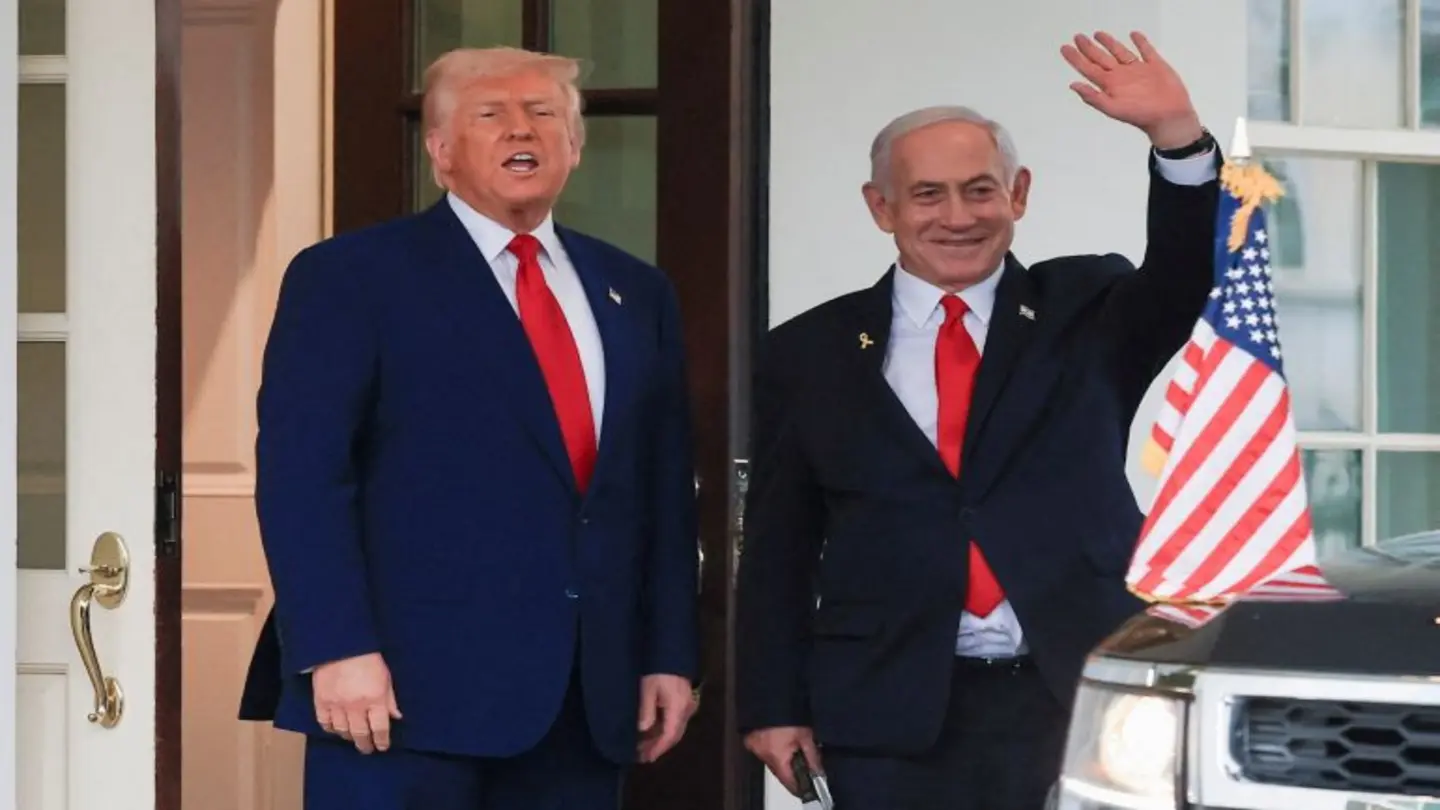
Former US President Donald Trump and Israeli Prime Minister Benjamin Netanyahu convened in a private meeting to discuss coordinated strategies against Iran. Both leaders reaffirmed their commitment to intensifying diplomatic and economic pressure on Tehran, warning that any relaxation of sanctions would jeopardise regional security. They highlighted shared concerns over Iran’s expanding missile arsenal, its support for proxy militias across the Middle East, and the rapid pace of its nuclear enrichment activities. The conversation underscored a tactical convergence: maintaining Iran’s isolation and preventing it from acquiring a credible nuclear weapon capability.
Divergent Endgame Strategies
Despite this agreement, the two leaders differ sharply on the ultimate objective of their pressure campaign. Trump has repeatedly hinted at the possibility of a preemptive strike against Iran’s nuclear facilities, arguing that regime change might be necessary to eliminate the threat permanently. Netanyahu, while endorsing continued sanctions, prefers a more circumscribed goal: securing a stricter version of the 2015 nuclear accord that limits Tehran’s enrichment to lower levels and imposes robust monitoring.
Political Context
The remarks come amid a volatile diplomatic environment. The Biden administration has signaled openness to reviving the Joint Comprehensive Plan of Action (JCPOA), but both Trump and Netanyahu have dismissed the prospect as a concession that would embolden Iran. They warned that any unilateral concessions could destabilise the fragile security architecture built over the past decade.
Domestic Implications
Domestically, Trump’s alignment with Netanyahu serves to reinforce his hawkish foreign‑policy credentials, appealing to a constituency that supports aggressive measures against Iran. Netanyahu, meanwhile, leverages the endorsement from a former US president to bolster his narrative of an unwavering partnership with Washington, despite ongoing criticism over settlement policies and diplomatic tensions with the current administration.
Regional Reactions and Analyst Perspective
Analysts caution that the divergent endgames could strain the alliance’s long‑term sustainability. While coordinated pressure may yield short‑term diplomatic leverage, pushing Tehran into a corner risks provoking retaliation, including heightened cyber attacks, proxy clashes in Syria and Yemen, and a possible surge in regional volatility.
Iran’s response to the heightened rhetoric has been measured but unmistakable. Tehran’s foreign ministry issued a brief statement rejecting any unilateral pressure as illegitimate, emphasizing its legal right to pursue peaceful nuclear technology under the NPT. Simultaneously, Iranian security officials hinted at a willingness to retaliate against perceived threats, citing the recent downing of a US drone near its borders as evidence of escalating tensions.
The article concludes by noting that both leaders acknowledge the need for flexibility, urging caution against actions that might undermine broader international cooperation and energy market stability.
Image Source: Google | Image Credit: Respective Owner