Key Leaders Meet for Trade Discussions
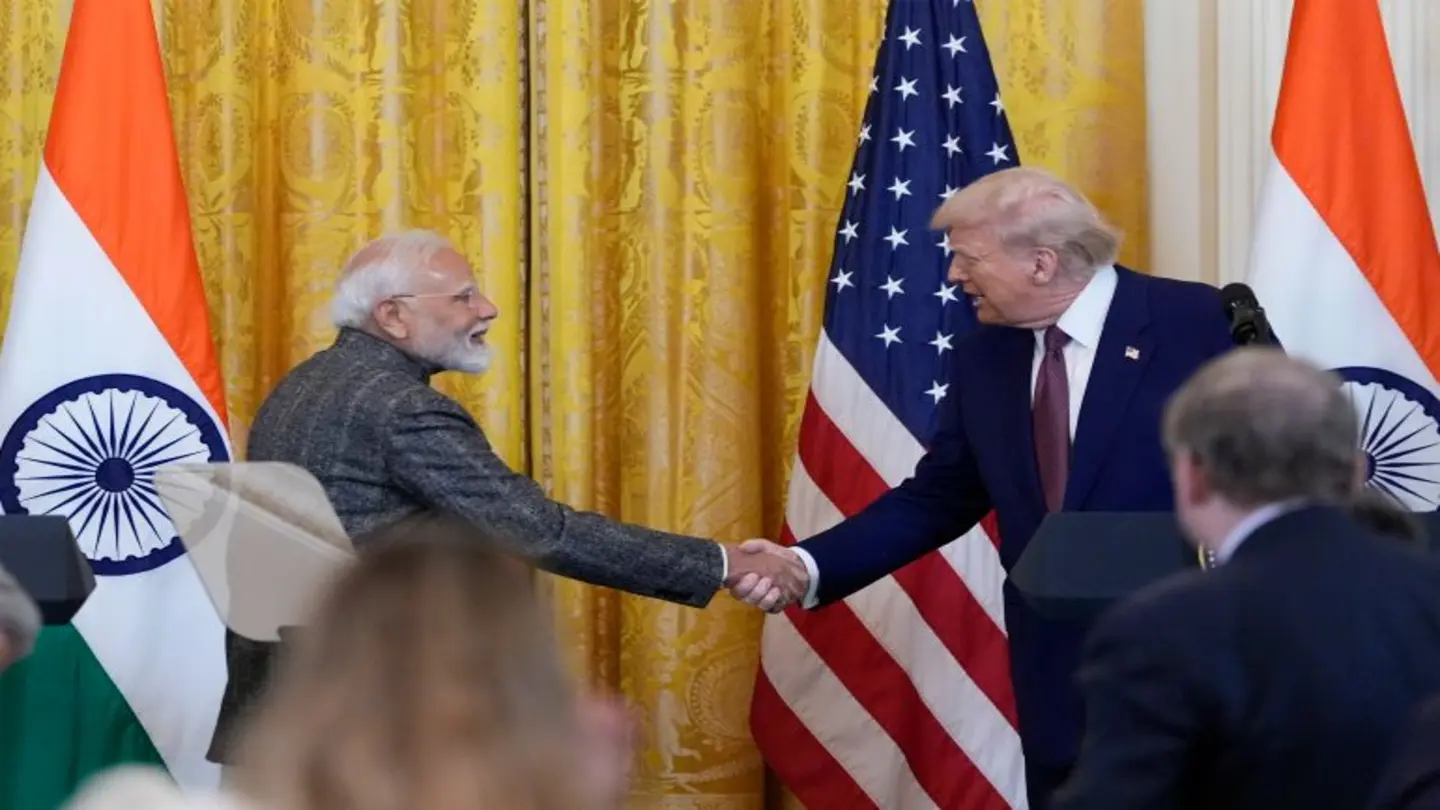
U.S. President Donald Trump and Indian Prime Minister Narendra Modi held a high-level meeting to advance bilateral trade negotiations, marking a pivotal moment in the economic relationship between the two nations. The leaders emphasized shared goals of enhancing trade balance, strengthening defense partnerships, and addressing regulatory hurdles that have long stalled agreements.
During a joint statement at the White House, Trump highlighted the strategic importance of India as a counterweight in the Indo-Pacific region, while Modi stressed the need for reciprocal market access. Both leaders acknowledged progress in talks surrounding civil nuclear energy, agricultural exports, and technology transfers, though specific figures remain undisclosed.
The negotiations have faced persistent challenges, including India’s high tariffs on American agricultural products and digital taxes affecting U.S. tech firms. U.S. trade representatives expressed optimism about narrowing these gaps, citing potential compromises on dairy and pharmaceuticals. Indian officials, meanwhile, urged the U.S. to ease restrictions on IT services and defense procurement.
Economists warn that a comprehensive deal remains elusive without addressing deeper structural issues. “While symbolic gestures dominate headlines, substantive breakthroughs require political will on both sides,” said Dr. Amitav Ghosh, a trade policy analyst at Jawaharlal Nehru University. “India seeks market equity, while the U.S. demands fairer terms for its exports.
The meeting also touched on defense cooperation, with Trump announcing a new $3 billion arms package, primarily for multi-role combat aircraft and maritime patrol vessels. Modi welcomed the support, framing it as essential for India’s regional maritime security. However, human rights groups criticized the arms deal, urging both governments to address concerns over civilian casualties in conflict zones.
Environmental standards emerged as another contentious topic, with Trump’s administration facing pressure to align with India’s climate commitments. Modi advocated for stronger joint initiatives on renewable energy investments, particularly in solar and wind sectors, while Trump emphasized fossil fuel partnerships, citing energy independence goals.
Despite divergent priorities, both leaders agreed to establish a working group to fast-track negotiations. This interim body will convene quarterly, focusing on tariff reductions, intellectual property rights, and investment barriers. Analysts suggest that progress here could set a template for future agreements across the Global South.
Observers remain cautiously optimistic. “The optics of this summit were strong, but real change depends on bureaucratic follow-through,” noted Sarah Chowdry, a South Asia specialist at the Overseas Development Council. “If technical teams can bridge trust deficits, we might see a phased deal by early 2020.”
Meanwhile, market reactions were mixed. U.S. indices showed slight gains in defense contractor stocks, while Indian rupee volatility reflected investor uncertainty. Trade ministers from both nations will resume formal talks next month in New Delhi, with a deadline set for year-end consensus.
Image Source: Google | Image Credit: Respective Owner