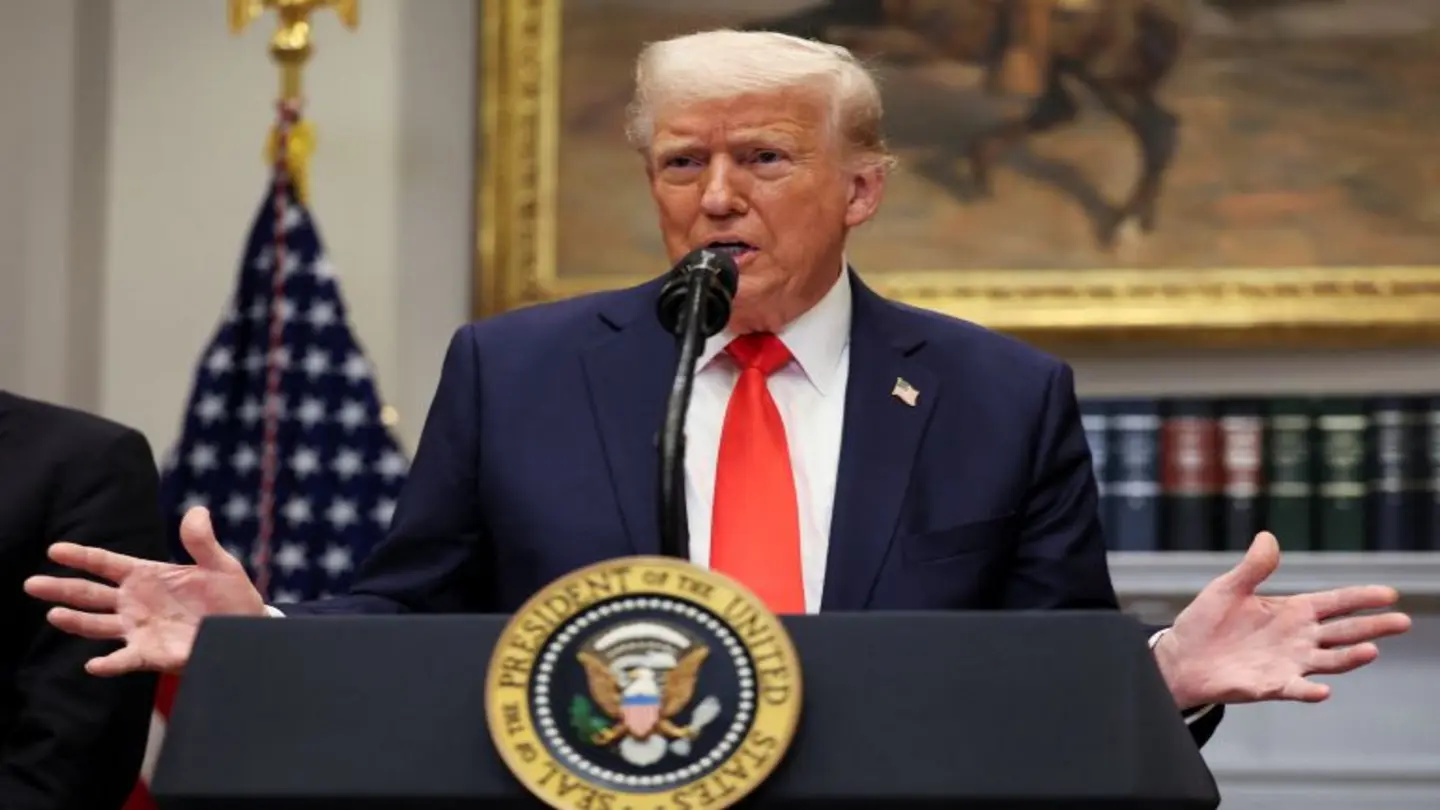
Former U.S. President Donald Trump is reportedly devising strategies to diminish America’s dependence on foreign semiconductor suppliers, according to a Wall Street Journal report. This initiative underscores the ongoing concern regarding the security and resilience of the semiconductor supply chain, a critical component in numerous industries ranging from automotive and consumer electronics to defense and healthcare.
The Push for Domestic Semiconductor Production
The plan, still in its formative stages, reflects a broader trend among policymakers to bolster domestic manufacturing capabilities and reduce reliance on overseas production, particularly in strategic sectors. Semiconductors, often referred to as the ‘brains’ of modern electronics, have become a focal point due to their essential role in technological innovation and national security. Disruptions to the supply chain, as witnessed during the COVID-19 pandemic, have highlighted the vulnerabilities associated with concentrated production in specific geographic regions.
Trump’s renewed focus on semiconductor independence aligns with previous efforts during his presidency to incentivize domestic production through tax breaks and other measures. The CHIPS and Science Act, signed into law in 2022, provides billions of dollars in funding to encourage semiconductor companies to build or expand manufacturing facilities within the United States. This legislation aims to create a more robust and geographically diverse semiconductor ecosystem, reducing the risks associated with over-reliance on any single source.
The Wall Street Journal report suggests that Trump’s specific strategies may involve additional tariffs on imported semiconductors or other policy levers designed to encourage domestic production. Such measures could potentially reshape the global semiconductor market, influencing investment decisions and trade flows. However, the impact of these policies would depend on various factors, including the scope and duration of the measures, as well as the response from other countries and semiconductor manufacturers.
Economic and Geopolitical Implications
The move to reduce reliance on semiconductor imports carries significant economic and geopolitical implications. On one hand, it could create jobs and stimulate economic growth within the United States. On the other hand, it could lead to higher costs for consumers and businesses, as domestic production may be more expensive than importing from countries with lower labor costs or established supply chains. The semiconductor industry is highly globalized, with companies relying on complex networks of suppliers and customers across multiple countries. Disrupting these established relationships could have unintended consequences.
Moreover, the effort to reduce reliance on foreign semiconductors reflects broader geopolitical tensions, particularly between the United States and China. China has made significant investments in its domestic semiconductor industry in recent years, with the goal of becoming a global leader in this critical technology. The United States views this ambition with concern, as it could potentially give China greater control over the global supply chain and create security risks.
The outcome of Trump’s reported plans remains uncertain. However, it signals a continued emphasis on the importance of semiconductor independence and the need for a more resilient and secure supply chain. The semiconductor industry will be closely watching these developments, as they could have far-reaching implications for the future of technology and global trade.
Image Source: Google | Image Credit: Respective Owner