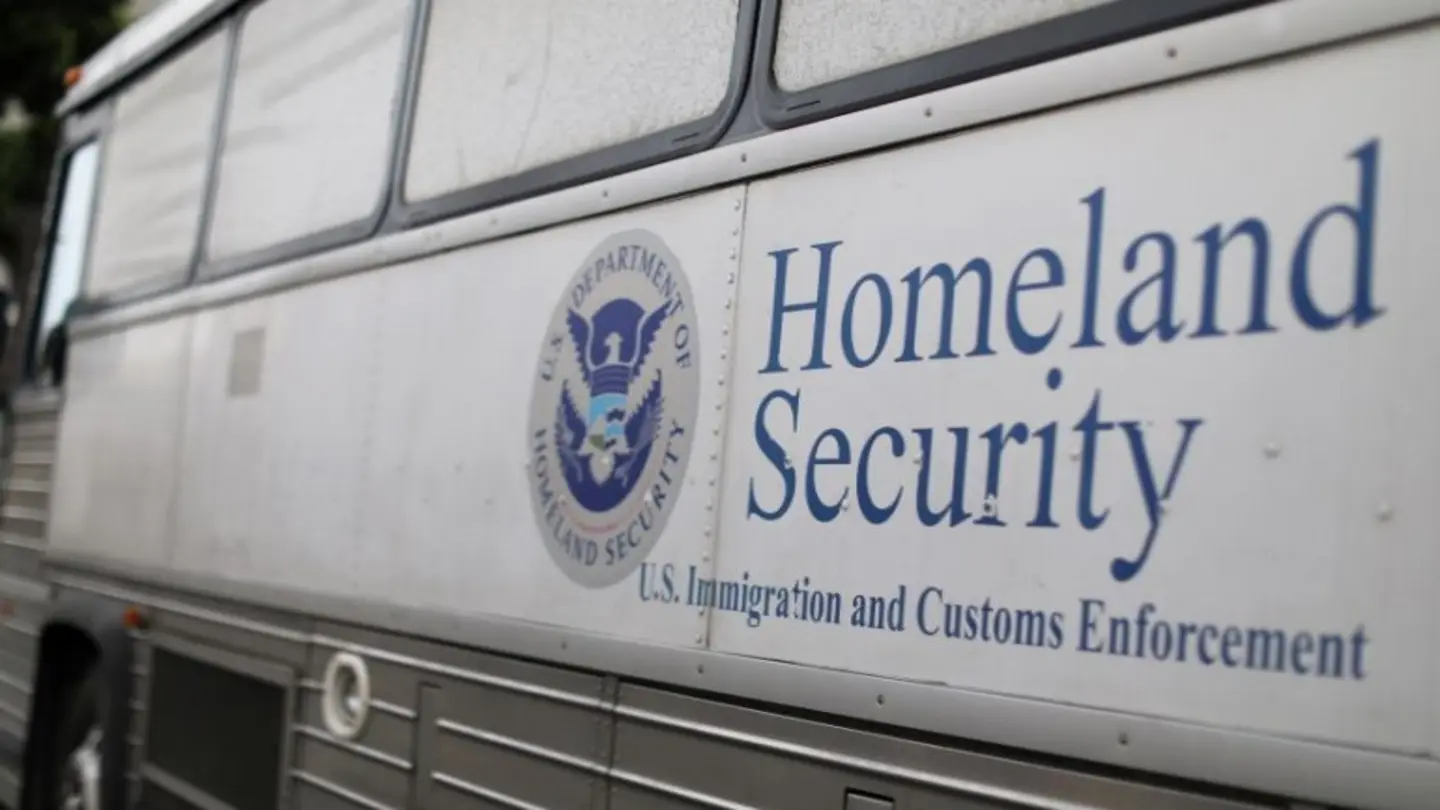
The Trump administration has moved to terminate Temporary Protected Status (TPS) for Somali nationals residing in the United States, a decision impacting a significant number of individuals who have sought refuge from ongoing conflict and instability in their homeland. This action coincides with a reported surge in Immigration and Customs Enforcement (ICE) operations, raising concerns about increased deportations and the future of these communities.
TPS is a temporary immigration status granted to individuals from countries experiencing extraordinary and temporary conditions, such as armed conflict, natural disasters, or epidemics, that prevent their safe return. The designation allows these individuals to live and work legally in the US for a specified period. The initial TPS designation for Somalia was granted in 1991, amidst a civil war and widespread humanitarian crisis. It has been repeatedly extended since then, reflecting the persistent challenges facing the nation.
The decision to end TPS for Somalis, announced recently, gives affected individuals until March 17, 2025, to prepare for departure or seek alternative legal avenues to remain in the country. However, legal experts and advocacy groups argue that the conditions in Somalia remain far from safe, and that returning TPS holders could face persecution, violence, and hardship.
The timing of this announcement, alongside heightened ICE enforcement, has fueled anxieties within the Somali diaspora in the US. Reports indicate increased arrests and deportations, particularly in states with large Somali populations like Minnesota and Ohio. Advocates claim that these operations are disrupting families and communities, and are being carried out with insufficient due process.
Impact and Reactions
The termination of TPS for Somalia is expected to affect thousands of individuals, many of whom have built lives and families in the US over decades. They contribute to the economy, pay taxes, and are integral members of their communities. Losing their legal status could lead to job loss, separation from loved ones, and the constant fear of deportation.
Critics of the administration’s move argue that it is a politically motivated decision aimed at fulfilling campaign promises to crack down on immigration. They point to the fact that the administration has also terminated TPS for other countries, including Haiti, Nicaragua, and Sudan, despite ongoing instability and humanitarian concerns. Supporters of the decision, however, maintain that TPS is intended to be temporary, and that it is time for beneficiaries to return to their home countries as conditions improve.
Somali community leaders have expressed deep disappointment and outrage over the decision. They are urging Congress to pass legislation that would provide a pathway to permanent residency for TPS holders, and are preparing to fight the deportations in court. Legal challenges are expected to be filed, arguing that the administration’s decision is arbitrary and capricious, and that it violates international law.
The situation remains fluid, and the future of Somali TPS holders in the US is uncertain. The decision underscores the ongoing debate over immigration policy and the treatment of vulnerable populations seeking refuge in the country. The increased ICE activity adds another layer of complexity and concern, potentially leading to widespread disruption and hardship within the Somali community.
Image Source: Google | Image Credit: Respective Owner