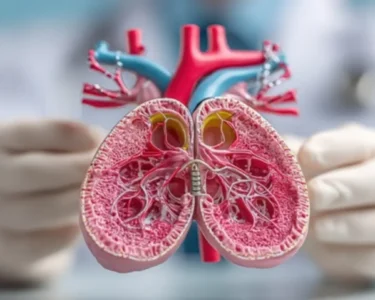
Key Habits to Combat Ageing After 40
As individuals cross the milestone of 40, concerns about ageing naturally increase. Dr. Emily Carter, a leading geriatric specialist, emphasizes that certain lifestyle choices can significantly influence the ageing process from within. Adopting healthier habits early can delay biological ageing, improve longevity, and enhance overall quality of life. Her research identifies five critical habits that individuals over 40 should eliminate to slow internal ageing and maintain vitality.
1. Excessive Alcohol Consumption
Regular heavy drinking accelerates cellular ageing by increasing oxidative stress and inflammation. Dr. Carter advises limiting alcohol intake to moderate levels—no more than one drink per day for women and two for men. Chronic alcohol use damages liver function, impairs nutrient absorption, and accelerates brain ageing, increasing dementia risk. Reducing intake supports liver regeneration and improves overall metabolic health.
2. Chronic Sleep Deprivation
Sleep is critical for cellular repair and DNA repair mechanisms. Adults over 40 require 7-9 hours nightly to activate telomerase, an enzyme that lengthens protective telomeres. Chronic insomnia or poor sleep patterns accelerate epigenetic ageing markers. Implementing consistent sleep schedules, limiting screen exposure before bedtime, and creating dark, cool bedrooms can dramatically improve sleep quality and slow physiological ageing.
3. Sedentary Lifestyle
Physical inactivity after 40 reduces mitochondrial function in muscles, accelerating sarcopenia (age-related muscle loss). Dr. Carter recommends at least 150 minutes of moderate aerobic activity weekly combined with resistance training. Exercise boosts BDNF production, a protein that supports neurogenesis and cardiac health. Even short walks increase circulation and reduce visceral fat accumulation, a key factor in premature ageing.
4. Poor Nutritional Choices
Diets high in processed meats, refined sugars, and trans fats promote systemic inflammation and insulin resistance. Dr. Carter advocates for Mediterranean-style eating: abundant leafy greens, fatty fish, nuts, olive oil, and phyrize-rich fruits. These foods provide antioxidants that combat free radicals responsible for cellular damage. Adequate protein intake preserves lean mass, while omega-3 fatty acids reduce arterial stiffness common in older adults.
5. Chronic Stress Management Neglect
Prolonged cortisol exposure damages hippocampal neurons and accelerates telomere shortening. Mindfulness practices, yoga, and social engagement lower stress hormones. Dr. Carter suggests dedicating 15 minutes daily to relaxation techniques. Chronic stress also weakens immune response, making individuals more susceptible to age-related diseases like diabetes and hypertension.
Adopting these changes doesn’t require drastic overhauls. Gradual implementation—replacing sugary snacks with nuts, scheduling evening walks, or practicing gratitude journaling—creates cumulative benefits. Dr. Carter stresses that consistency matters more than perfection. Monitoring blood markers like CRP (inflammation), HbA1c (blood sugar), and vitamin D levels helps track biological age progress. Ultimately, proactive lifestyle adjustments empower individuals to age gracefully from the inside out.
Image Source: Google | Image Credit: Respective Owner