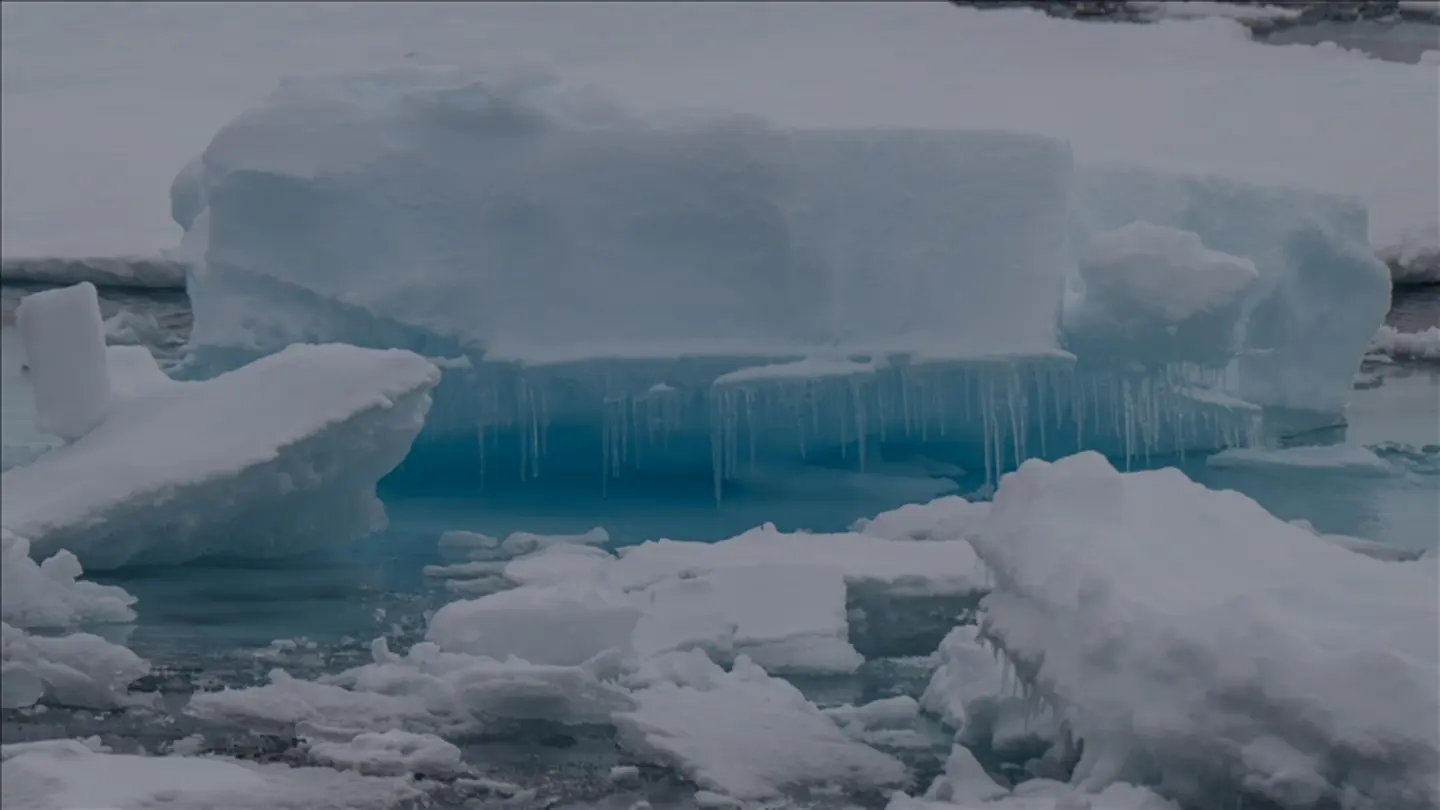
The Thwaites Glacier in West Antarctica, often dubbed the “Doomsday Glacier” due to its potential for significant sea level rise, remains a critical focus of climate research. Recent studies are refining our understanding of its stability and the timelines associated with its possible collapse, though the overall concern persists.
For years, scientists have warned that the disintegration of Thwaites could lead to several feet of global sea level rise, destabilizing other glaciers in the region and impacting coastal communities worldwide. The glacier is already contributing approximately 4% of global sea level rise, and this rate is accelerating. New research, however, suggests that while a complete, rapid collapse is still possible, the immediate future might not be as catastrophic as initially feared.
A key factor in this revised assessment is the complex topography beneath the glacier. Previously, models assumed a relatively smooth and sloping seabed, which would allow warm ocean water to easily penetrate and melt the ice shelf from below. Recent mapping efforts, utilizing advanced radar technology, have revealed a series of ridges and bumps that are hindering the intrusion of warm water, slowing down the melting process in certain areas.
Slowing, Not Stopping
This does not imply that Thwaites is safe. The slowdown in melting is localized, and the glacier continues to retreat at an alarming rate. Furthermore, even the slowing of warm water intrusion is not a permanent solution. The ridges themselves are vulnerable to erosion, and as they degrade, the glacier will become more susceptible to melting. The long-term prognosis remains bleak.
Scientists are also investigating the role of internal glacier dynamics. The glacier’s internal stresses and the way it fractures are crucial to predicting its behavior. Observations show that the glacier is heavily crevassed, meaning it’s riddled with cracks. These cracks weaken the ice shelf, making it more prone to calving – the breaking off of large chunks of ice.
The latest data from the International Thwaites Glacier Collaboration (ITGC), a joint U.S.-U.K. effort, is painting a more nuanced picture. While a complete collapse within the next few decades is considered less likely than previously thought, significant destabilization and contribution to sea level rise are still highly probable. The team is focused on improving predictive models by incorporating these new topographical findings and a better comprehension of internal mechanics.
The research emphasizes the importance of continued monitoring and data collection. Understanding the complex interplay of factors affecting Thwaites is vital for accurate sea level rise projections and for informing adaptation strategies for vulnerable populations. The “Doomsday” label may be a simplification, but the glacier remains one of the most concerning indicators of climate change. Adapting to a warmer world, even with a potentially slowed collapse, remains the paramount priority for coastal regions globally.
Ultimately, the fate of Thwaites, and the subsequent impact on global sea levels, depends on the trajectory of greenhouse gas emissions. Reducing emissions is critical to slowing down the warming of the ocean and preserving what stability remains for this crucial glacier.
Image Source: Google | Image Credit: Respective Owner