Thailand has launched military strikes into neighboring Cambodia amid a long-standing territorial dispute centered around the historic Preah Vihear Temple, a UNESCO World Heritage site perched on the border. The recent escalation marks a significant deterioration in relations between the two Southeast Asian nations, reigniting tensions that have simmered for decades.
The conflict stems from a disputed 4.6-kilometer border stretch near the 11th-century Hindu temple complex. Thailand claims the area based on historical maps and its proximity to the temple, which it argues should fall under its sovereignty. Cambodia counters that the border was definitively settled under a 1962 International Court of Justice ruling that placed the temple itself within its territory. The temple’s strategic elevated position offers sweeping views of the surrounding plains, making control of the adjacent land critically important for both armies.
Since late 2021, Thai military units have reportedly occupied several border posts and built fortifications in the region, prompting Cambodia to lodge formal protests with the United Nations and the Association of Southeast Asian Nations (ASEAN). In response, Cambodia has reinforced its positions with additional troops and heavy equipment, creating a risky standoff just meters from the temple’s ruins. Both sides accuse the other of provocation, though neither has reported casualties in the latest deployments.
The Preah Vihear Temple itself, a stunning example of Khmer architecture, serves as a potent symbol of national pride. Built in the 9th century as a dedication to Lord Shiva, it features a series of cascading terraces that stretch across the plateau. Its listing as a UNESCO World Heritage Site in 2008 temporarily eased tensions when both countries agreed to a joint management plan, but that fragile consensus unraveled in 2013 after Thailand blocked a Cambodian-drafted border agreement.
Analysts warn that the current escalation risks triggering broader regional instability. “This isn’t just about a piece of land—it’s about sovereignty, historical narrative, and regional credibility,” says Dr. Porphantong Srisurang, a security expert at Chulalongkorn University in Bangkok. “Any miscalculation could spiral into a full-scale border clash, drawing in regional powers like Vietnam and Laos, which have vested interests in maintaining stability.”
Diplomatic efforts led by ASEAN have so far failed to produce concrete de-escalation measures. Cambodia’s Foreign Ministry called for “maximum restraint” while Thailand’s government framed its actions as defensive measures against perceived encroachment. The Thai Ministry of Defense released a statement asserting that its forces are “securing national territory” and protecting the temple from unauthorized access.
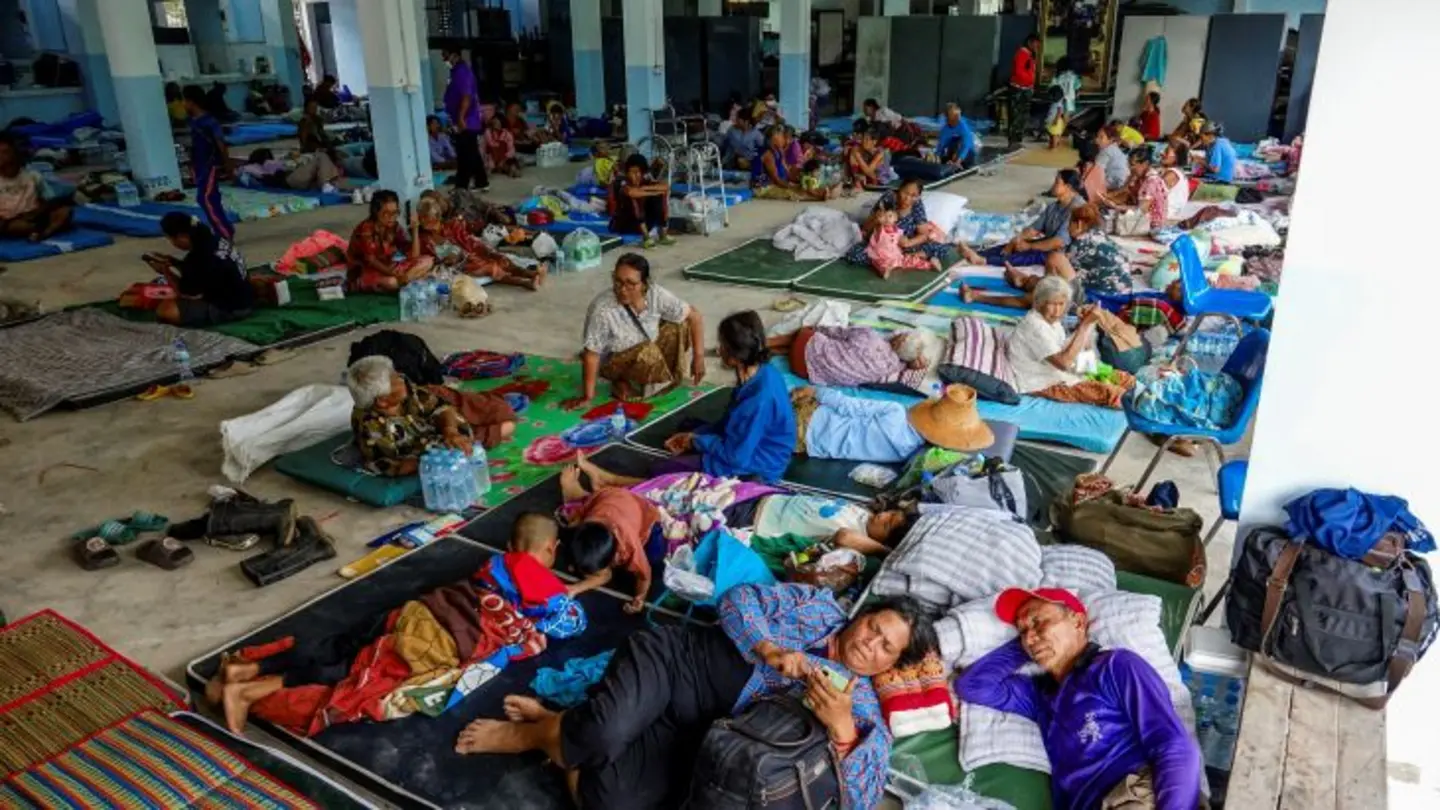
The international community has expressed concern. The United Nations Office for the Coordination of Humanitarian Affairs (OCHA) has warned of potential humanitarian risks to local communities caught in the crossfire. UNESCO, meanwhile, has urged both nations to prioritize the preservation of the temple’s structural integrity, noting that military activity poses a direct threat to the site’s structural stability.
Efforts to resolve the dispute through international arbitration have repeatedly stalled. A 2017 border demarcation subcommittee meeting ended without agreement, and ongoing talks remain deadlocked over interpretations of colonial-era French-Siamese treaties.Observers suggest that lasting peace will require a mutually acceptable compromise—such as joint stewardship of the contested zone or an expanded UNESCO monitoring presence—that acknowledges both nations’ historical claims.
With no immediate resolution in sight, the world watches anxiously as one of Southeast Asia’s most emblematic cultural treasures once again becomes a flashpoint in a geopolitical struggle. The fate of the Preah Vihear Temple, and the people who live in its shadow, now hangs in the balance.
Image Source: Google | Image Credit: Respective Owner