Escalation in Southeast Asia
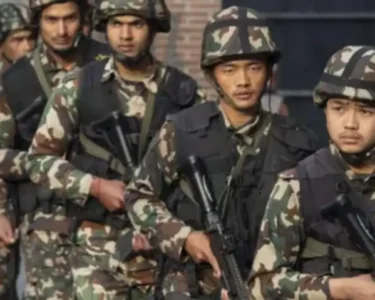
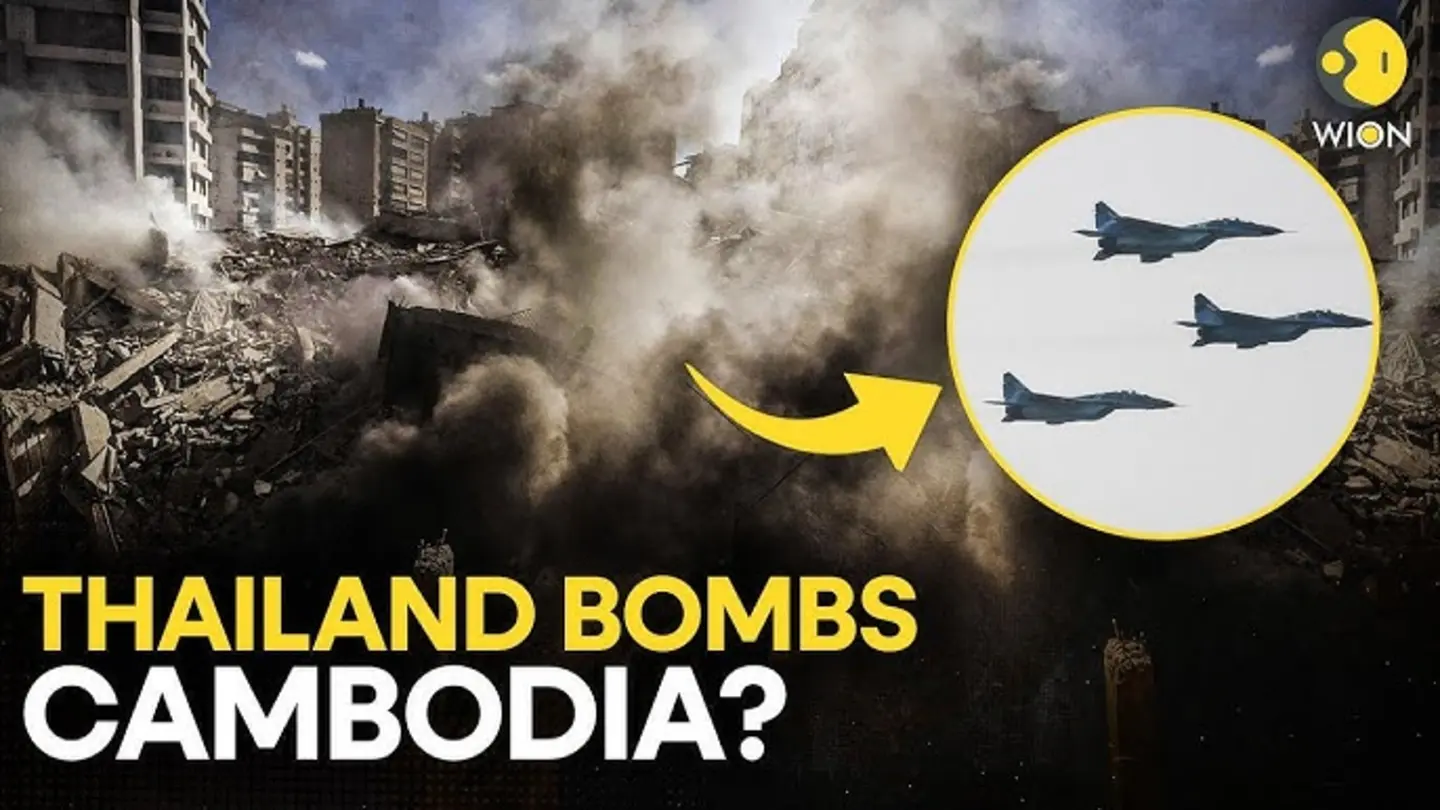
Thailand has launched targeted air strikes against Cambodian military positions, marking a significant escalation in the long-standing border dispute between the two nations. According to Thai military officials, the operation was executed in response to alleged Cambodian troop movements near their shared border, which allegedly violated a 2013 ceasefire agreement. The Thai Royal Air Force conducted coordinated strikes on several strategic outposts, utilizing both ground-attack aircraft and precision-guided munitions.
The conflict traces its roots to a territorial disagreement over a 4.6-kilometer section of land near the Preah Vihear temple complex, a UNESCO World Heritage site. Both nations have historically vied for control of this area, which holds significant cultural and symbolic value. Recent satellite imagery analyzed by regional defense experts shows increased Cambodian military presence in the disputed zone, prompting Thailand to authorize defensive measures.
Thai Army Chief General Narongpan Sritong-in defended the action during a press briefing, stating: “These strikes were necessary to protect our national sovereignty and deter further encroachment. We remain committed to resolving differences through diplomatic channels, but will not hesitate to defend our territory.” Cambodian Defense Ministry spokesperson Maj. Gen. Chhum Chhan stated his country “strongly condemns” the attacks as “acts of war” and claimed Thai forces inflicted minimal damage while suffering unspecified casualties.
Regional analysts warn the situation could destabilize Southeast Asia. The ASEAN Secretariat issued a call for restraint, urging both parties to return to bilateral negotiations. Vietnam, which also shares historical border tensions with Cambodia, expressed concern about potential spillover effects. Malaysia and Singapore called for emergency ASEAN consultations, while Indonesia offered mediators to facilitate dialogue.
Global powers have begun monitoring developments. The United States embassy in Bangkok issued a statement expressing concern about armed conflict while reaffirming support for peaceful resolution through legal mechanisms. China, a key economic partner for both nations, urged avoidance of escalation through diplomatic channels. The strikes have already impacted regional markets, with the Thai baht weakening against regional currencies and Cambodian tourism stocks declining sharply.
Humanitarian concerns are emerging as local communities near the border report displaced families and restricted movement. The International Committee of the Red Cross announced preparations for potential refugee assistance operations. Environmental groups also warned that military activities near the temple complex could damage archaeological sites, potentially endangering their UNESCO status.
The immediate future appears precarious as military buildups continue on both sides. Thai sources indicate additional troops have been deployed to border fortifications, while Cambodia has requested emergency military shipments from Russia. Diplomatic efforts face challenges as political rhetoric hardens, though backchannel communications remain active through unofficial channels. Observers suggest the next 72 hours will be critical in determining whether this represents a tactical escalation or the beginning of a broader conflict.
Image Source: Google | Image Credit: Respective Owner